Chester Professor among first to examine long-lost Brontë manuscript
A University of Chester Professor is one of the first people to see and study a lost manuscript by literary great, Charlotte Brontë.
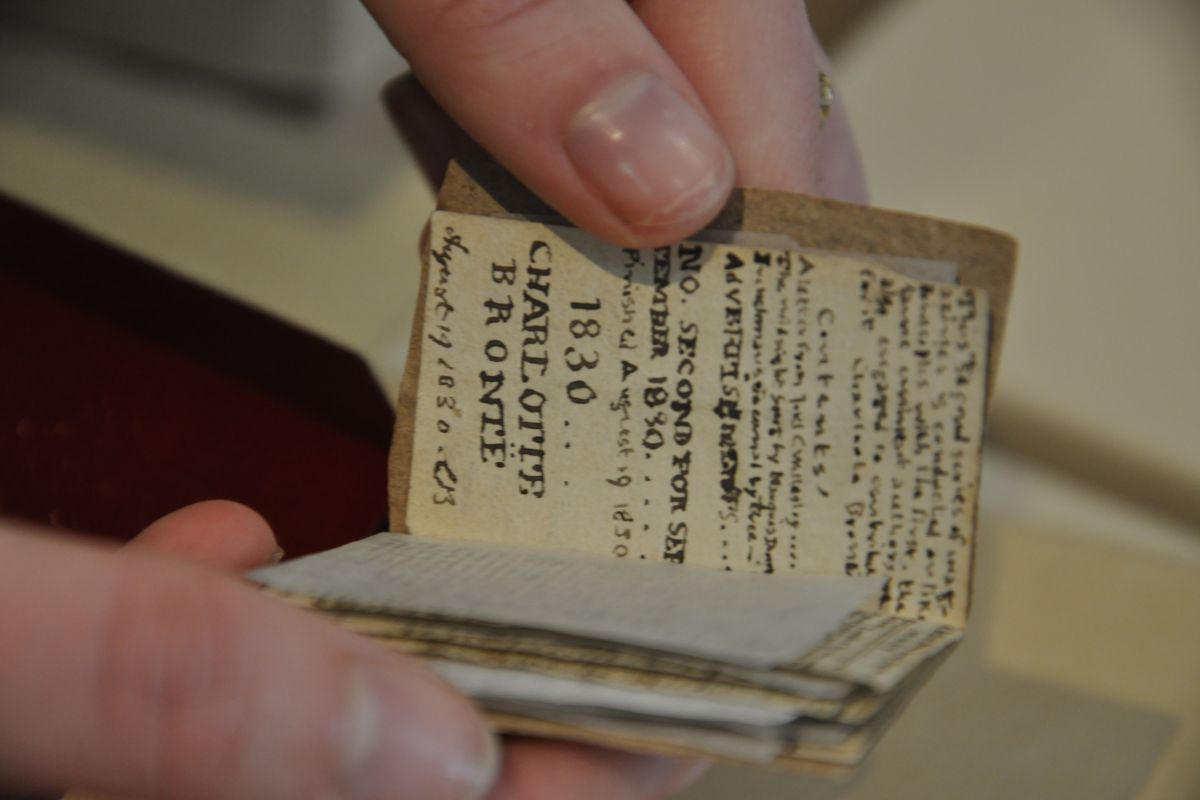
Professor Deborah Wynne had the privilege of being selected, along with six other Brontë scholars, to study a miniature magazine manuscript written by the 14-year-old Charlotte Brontë which had been hidden from public view for more than a century.
Written in Charlotte’s tiny script, it was the missing part of a series of The Young Men’s Magazine that she edited and wrote, before going on to write the much-loved, Jane Eyre among other novels and poetry.
The magazine’s discovery and purchase has been led by the Brontë Parsonage Museum in Haworth, Yorkshire, the home of the famous sisters. The museum held the other issues, but the September 1830 issue was in the hands of a private collector until 2011, when it became available to buy at auction. The museum, despite funding and donations, was outbid by a French company.
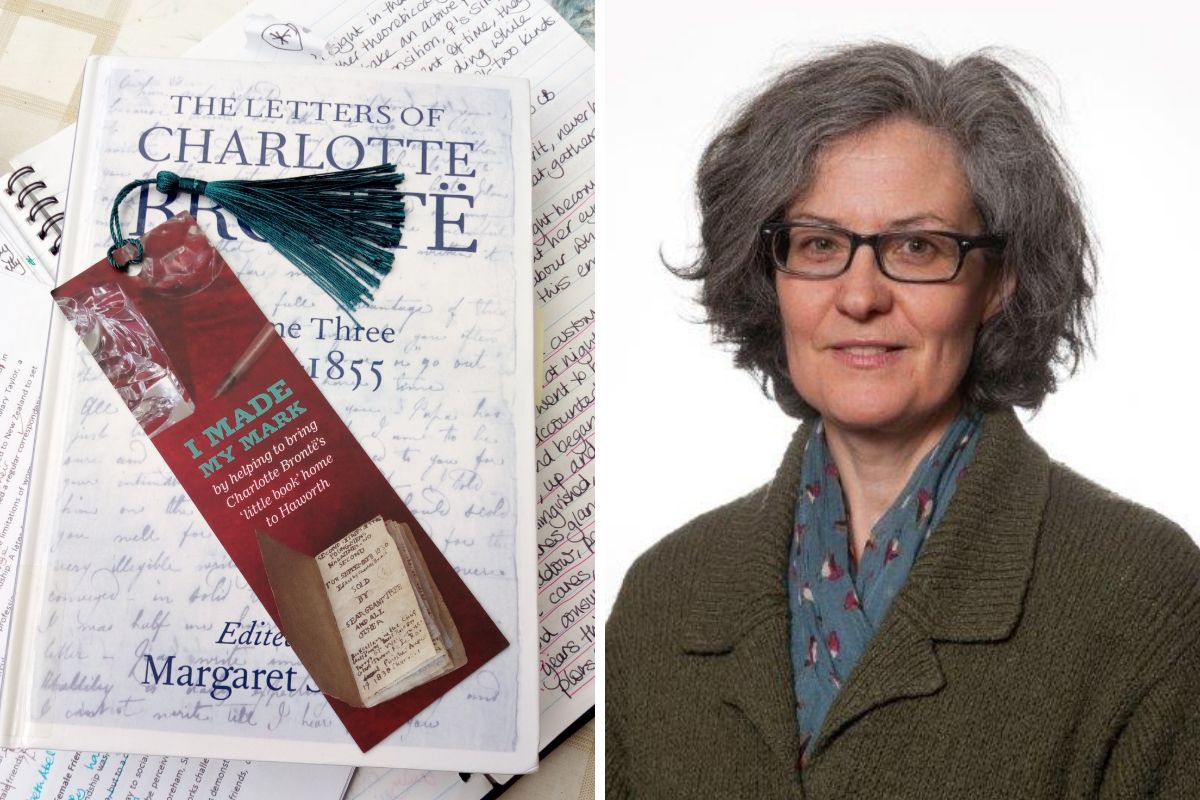
The little magazine later appeared in a Parisian auction house and in 2019, the museum set up fundraising campaign. Deborah, like most other members of the Brontë Society, made a modest donation, little realising that she would eventually be one of the first people to be honoured to read the manuscript.
After tense auction proceedings, the jubilant cheers from the staff and volunteers in the Brontë Parsonage Museum told everyone that the little magazine was at last returning to its home, where Charlotte wrote it.
Once back at the museum, and its curatorial team had carefully examined it to discover how best to preserve and display this precious acquisition, Deborah was delighted to be approached by Dr Claire O’Callaghan, Editor of Brontë Studies, to write one of a series of academic essays for the journal, analysing each feature.
Deborah was asked to study and comment on The Journal of a Frenchman feature in the magazine. She spent months fitting this extract into the larger story of the Frenchman, and her article was published recently alongside all the essays.
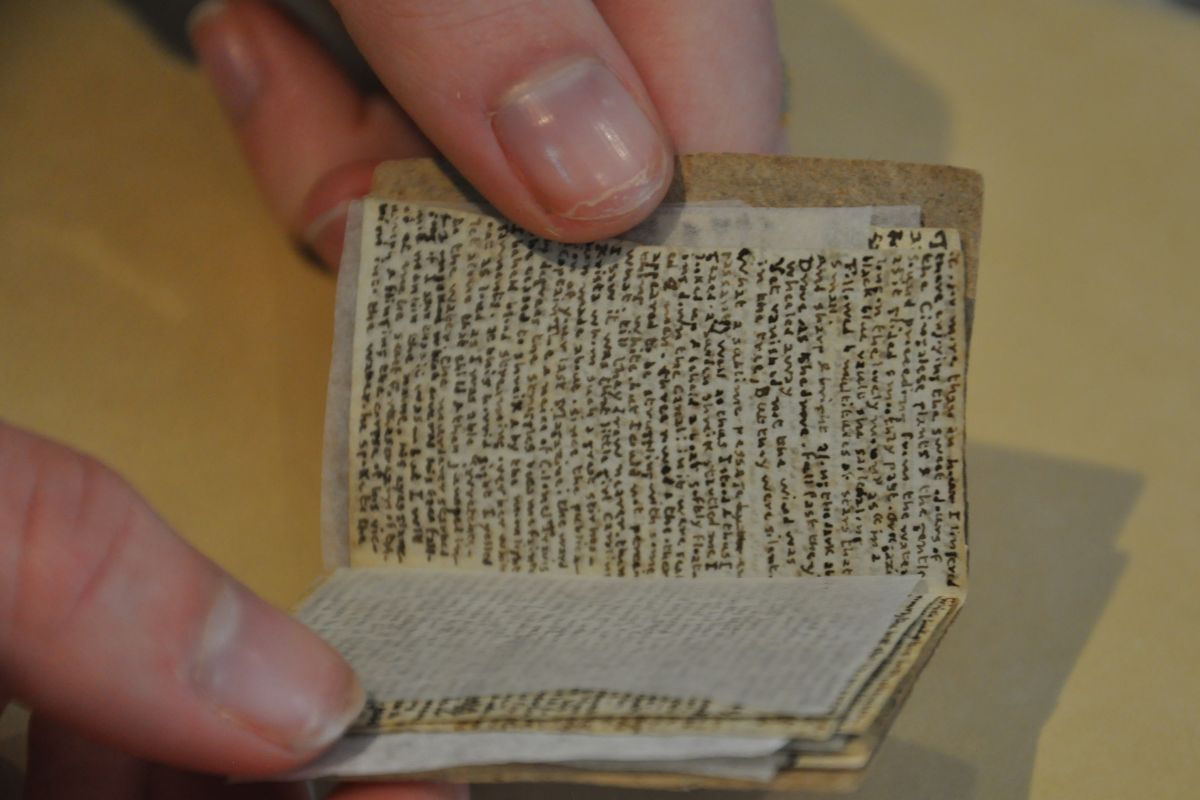
Deborah said: “I felt incredibly privileged to be part of this project and seeing the manuscript and realising that I was one of the first people to read it, was exciting. I’d been given a lovely piece to analyse, where the teenage Charlotte writes from the standpoint of a clothes-conscious, pleasure-loving young French aristocrat, who becomes drunk and disorderly on his first visit to Paris.”
In the article, Deborah outlines that: “Reading The Journal of a Frenchman conveys an impression of Charlotte’s fascination for the material riches of Parisian high society and the freedoms enjoyed by young men of wealth.”
The manuscript has been brought to public view as the work of Emily Brontë – Charlotte’s sister – is also in the spotlight, with a new film adaptation of Wuthering Heights.
Deborah added: “It is wonderful that this fascinating manuscript is now where it belongs, in the Brontë Parsonage Museum, accessible to visitors and researchers from around the world.”
To read Deborah’s essay in Brontë Studies, please visit Taylor and Francis Online.
Deborah is part of the Division of Communication, Screen and Performance, in the School for the Creative Industries, at the University.
Main image and image 3: Miniature magazine manuscript by Charlotte Brontë © The Brontë Society.
Image 2: Left, a Brontë bookmark, textbook and notes. Right, Professor Deborah Wynne.