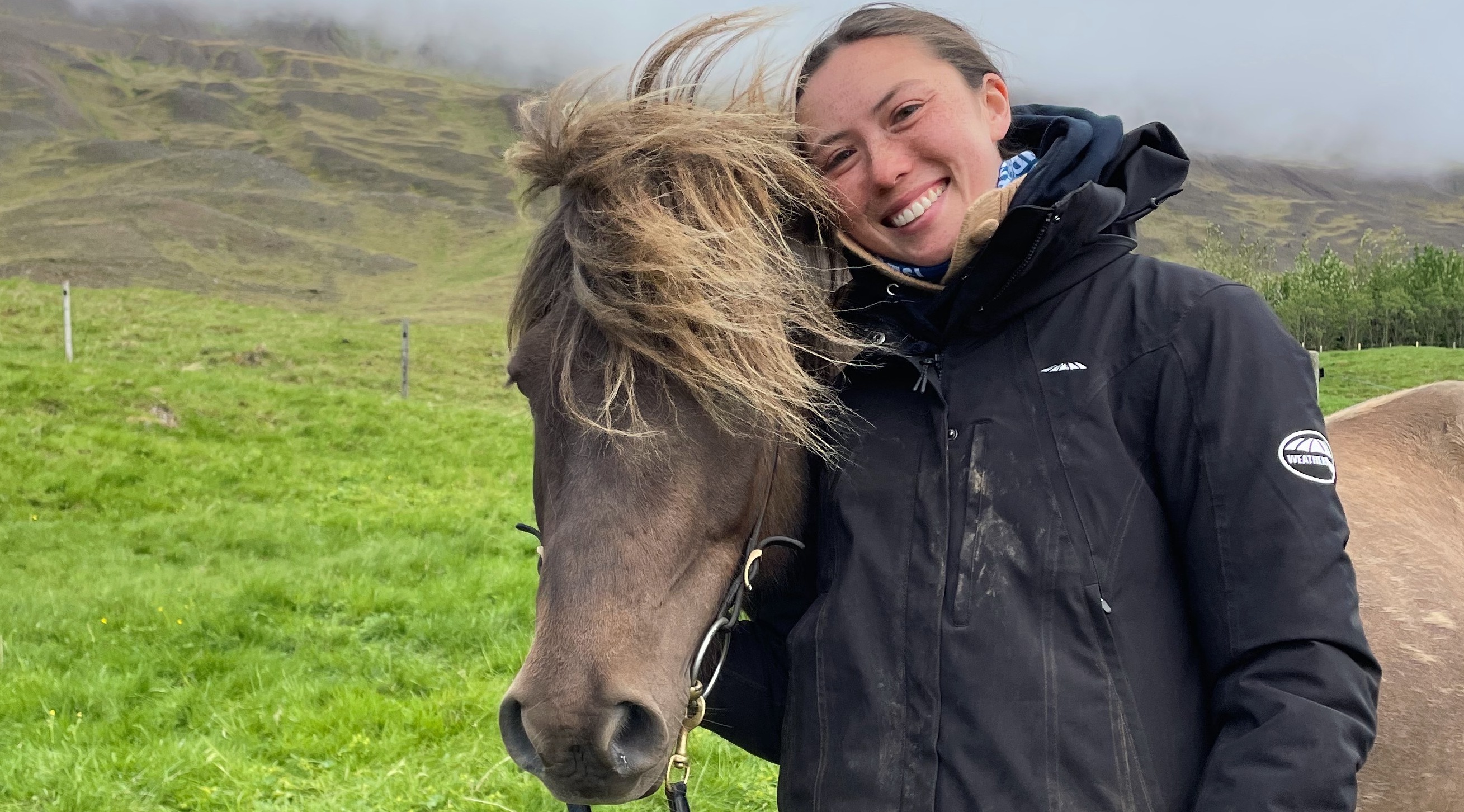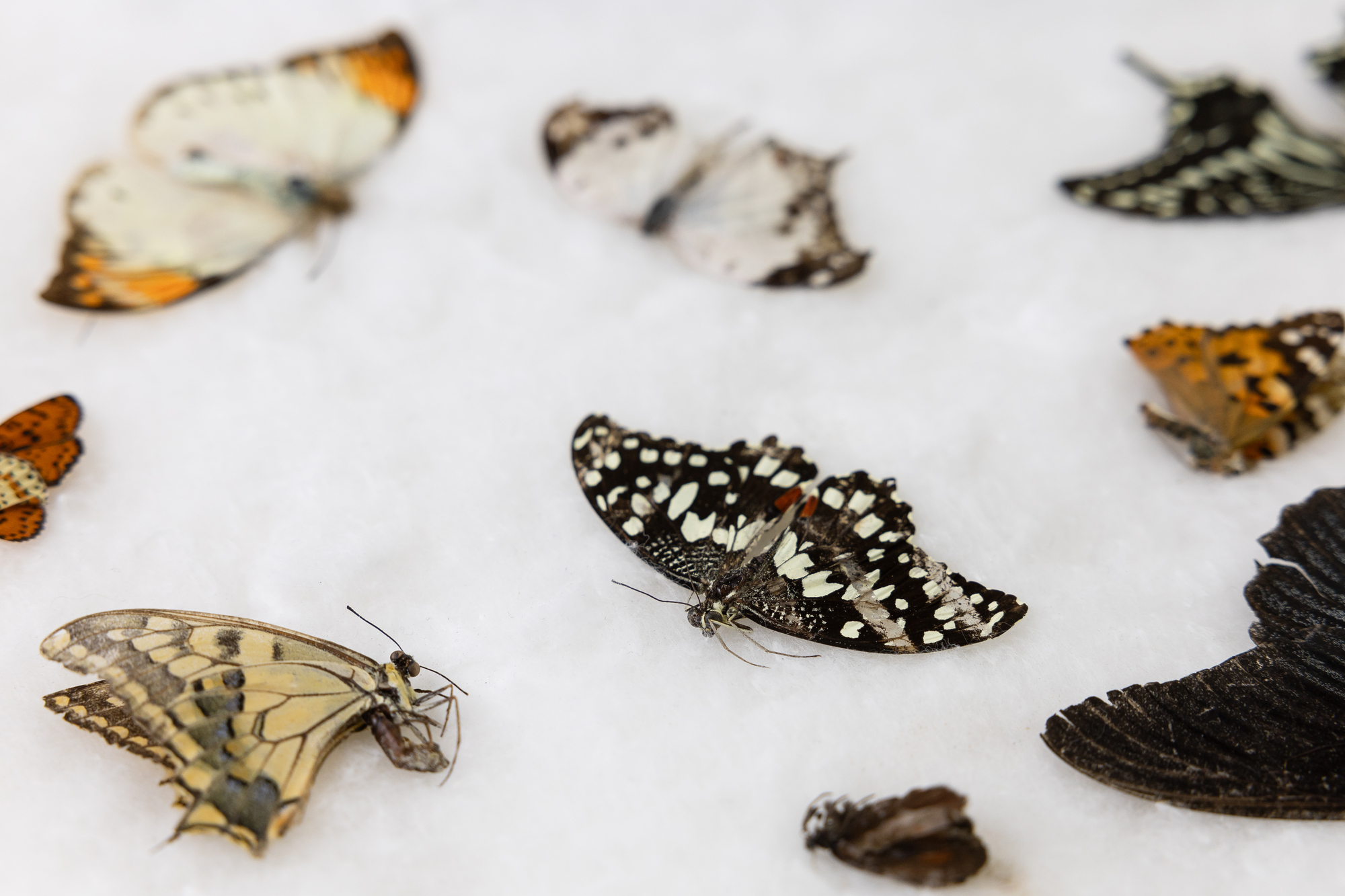

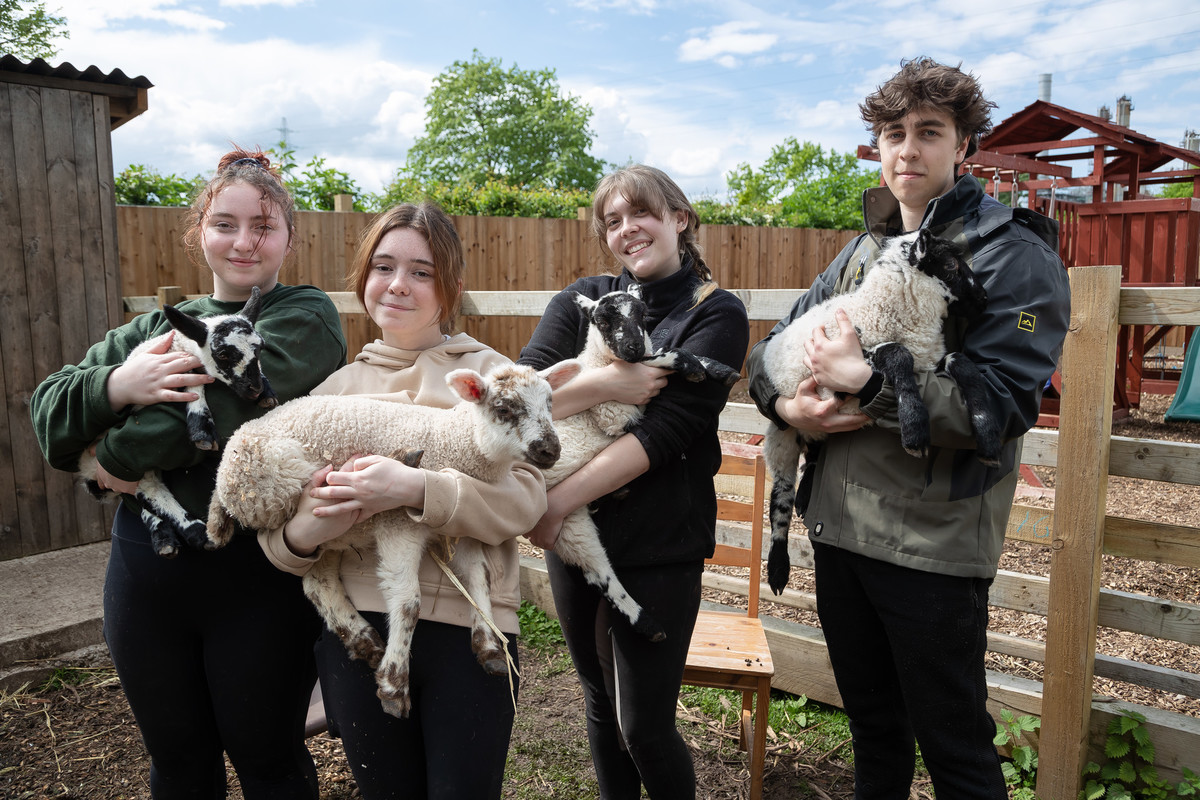
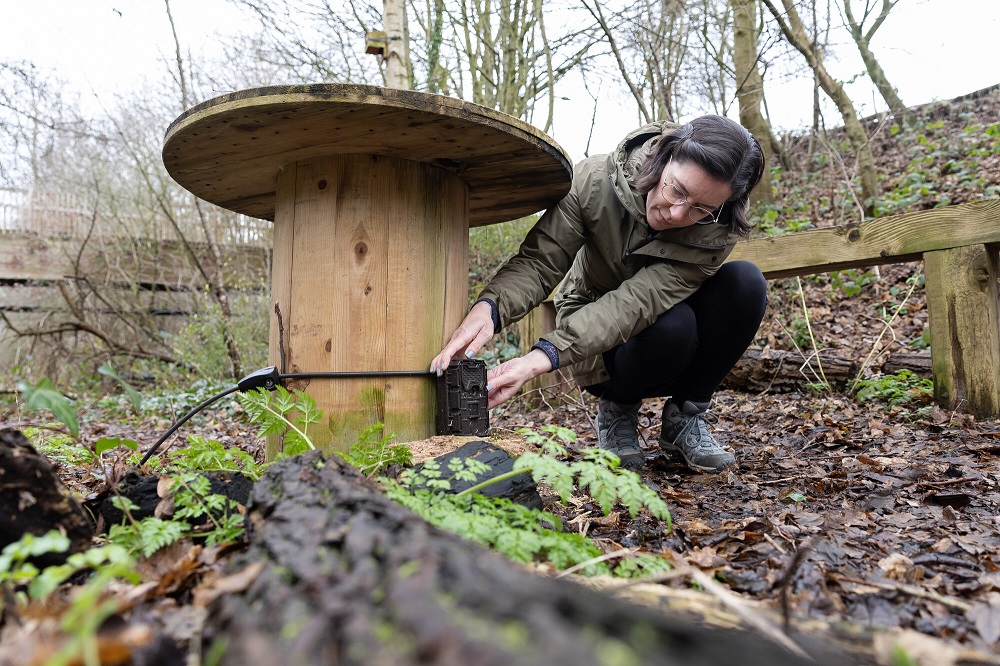

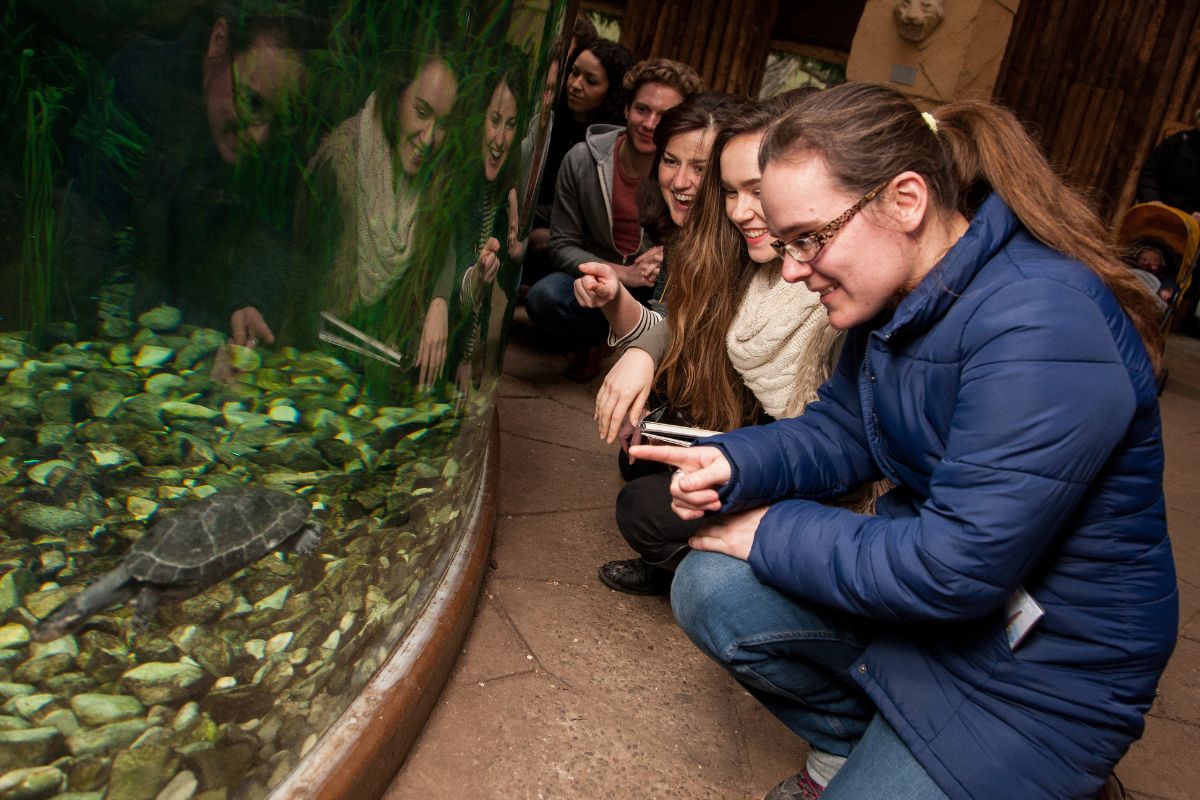
Students on a BSc (Hons) Animal Behaviour course gaining hands-on experience at Chester Zoo, smiling and working together outdoors as part of their training in animal care and welfare.

Our Animal Behaviour degree takes you on an exciting journey into the biology, care, conservation and welfare of animals. You’ll explore why animals behave the way they do in both wild and captive settings, combining a strong foundation in biological sciences with a scientific approach to studying animal thoughts and actions.

Animal behaviour is crucial to understanding ecosystems, evolutionary biology, conservation and improving animal welfare. Our degree offers exposure to a wide range of species, including mammals, birds, amphibians and invertebrates. (Did you know cockroaches have personalities?!) This diverse approach will give you the chance to focus on the animals and topics that fascinate you most.

Throughout the course, you’ll gain practical field and laboratory skills, preparing you to turn your passion for animals into a fulfilling career. Accredited by the Royal Society of Biology (RSB)*, this degree has been independently assessed to ensure it provides a deep understanding of the subject and the practical experience necessary for employment in the biosciences.

With the guidance of our passionate staff and their extensive research expertise, you’ll gain the skills and knowledge you need to make a real difference in the field of animal behaviour.

If you have any questions, feel free to reach out to our Course Leader, Dr Emmeline Howarth, at e.howarth@chester.ac.uk. If you're interested in studying this course part-time, please contact Emmeline to discuss your options, as our term-based teaching approach means the structure can vary – with some terms being full-time, some part-time, and others with no teaching.

* This degree is pending professional re-accreditation by the Royal Society of Biology.

Accreditations

RSB Accredited Degree logo

Why You'll Love It

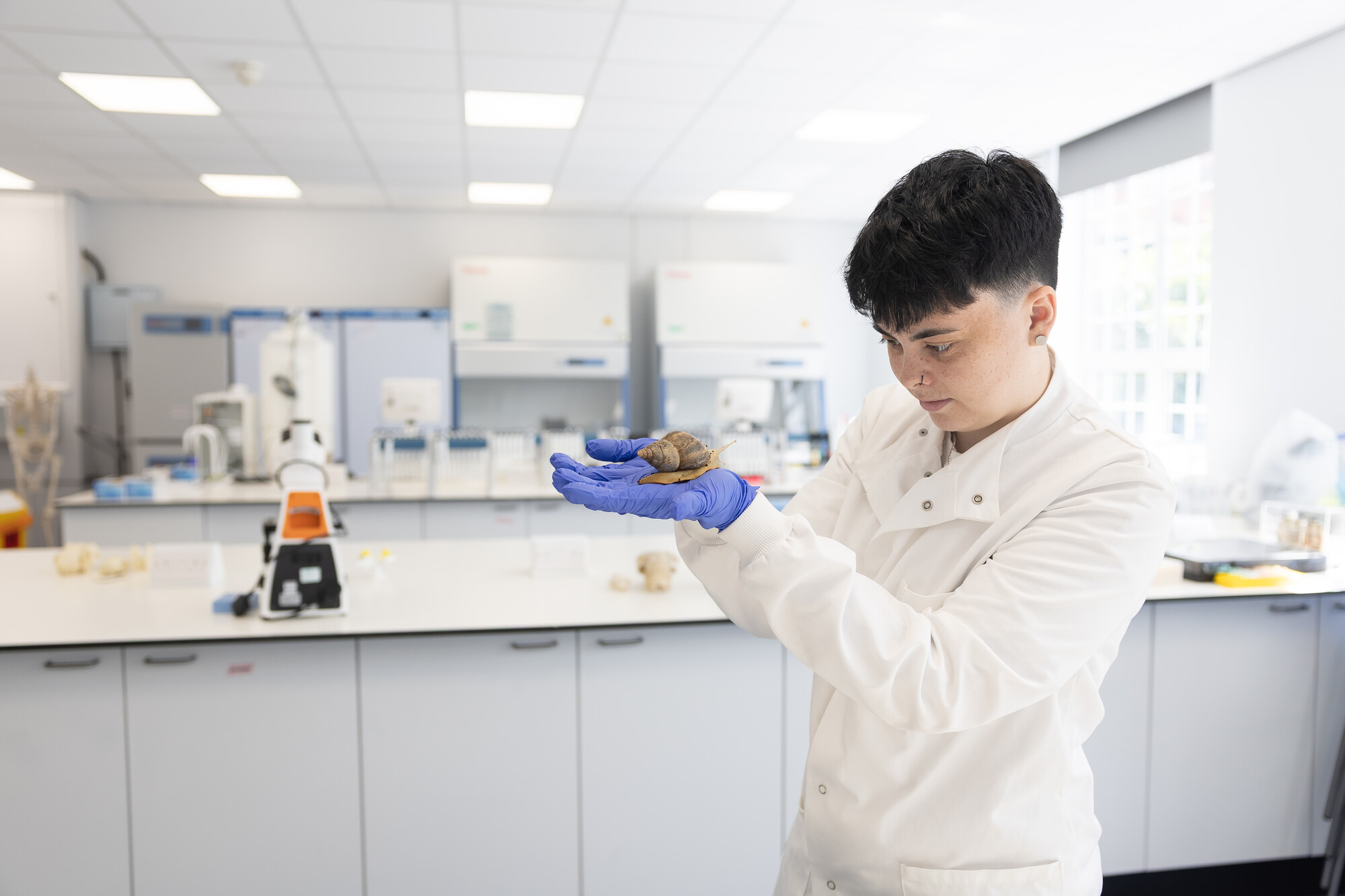
Animal Behaviour Programme Leader in lab with text overlaid

BSc (Hons) Animal Behaviour

What You'll Study

In your Foundation Year, you will be introduced to studying Animal Behaviour at undergraduate level through the Physical and Natural Sciences Foundation Year route.

The Foundation Year is designed to give you a strong knowledge and skills base aligned with your chosen four-year degree. Following a solid grounding in scientific principles in your first term of teaching, you will study bespoke modules aligned with your discipline. For the Animal Behaviour course, this will involve considering the biology of terrestrial and marine animals and the impacts of their interactions with humans. Whatever you aspire to, we can offer you a supportive and incremental introduction to your science degree.

MODULES

  • Term 1: Introduction to Scientific Principles
  • Term 2: Animal Biology
  • Term 3: Animals in the Anthropocene

Modules

This module will present core topics in Chemistry and Biology that will provide a solid foundation for students to build on in Terms 2 & 3 in their course-specific modules. Laboratory sessions will underpin topics and maths skills will be integrated throughout the module.

Indicative content:

  • The scientific method
  • Atomic structure and the periodic table
  • Working with chemical equations
  • Isotopes and relative molecular mass
  • Chemical calculations
  • Scientific form and converting units
  • Scales and magnification
  • Working with formulae
  • Statistics and visualising data
  • Fractions and ratios
  • Compound growth and decay
  • The classification of life
  • Evolution and selection
  • The molecules of life
  • Cells and cell division
  • Nutrient cycles
  • Learning to use and navigate a range of digital spaces specific to your subject
  • Understanding academic conduct and conventions for communicating information
  • Finding and using a range of academic sources relating to your subject

This module will build upon core biological topics from Term 1 with a focus on non-human animals. Laboratory sessions and digital activities will align with the topics in the lectures and workshops. A thread of Animal Behaviour will run throughout the module, along with ‘field’ activities which will develop observation and recording skills.

Indicative content:

  • The Animal Kingdom
  • Evolution and speciation
  • Genetics and Inheritance
  • Cells and proteins
  • Homeostasis – maintaining the internal environment
  • Animal form & function – invertebrates
  • Animal form & function – vertebrates
  • Feeding in terrestrial & marine environments
  • Sensing and communication in air and water
  • Animal behaviour
  • Advancing digital and academic skills introduced during Term 1
  • Developing research and information literacy in relation to your subject
  • Creating an academic poster on a chosen research paper

This course will explore the relationships between animals and their changing environments. We will begin with the foundational principles of ecology and the benefits that ecosystems provide to humanity. We will then investigate various ways humans impact the environment, discussing how these changes affect animal populations and biodiversity. The module will culminate with study of conservation strategies, which are crucial for preserving biodiversity and ensuring the survival of species in the Anthropocene.

  • Ecology 1 – from species to biomes
  • Ecology 2 – populations and change
  • Ecology 3 – the interdependence of life
  • Human perceptions of the natural environment
  • Direct human impacts
  • Indirect human impacts
  • Animals in captivity
  • Conservation approaches

The information listed in this section is an overview of the academic content of the course that will take the form of either core or option modules and should be used as a guide. We review the content of our courses regularly, making changes where necessary to improve your experience and graduate prospects. If during a review process, course content is significantly changed, we will contact you to notify you of these changes if you receive an offer from us.

In Year 1 (Level 4), you’ll benefit from a shared curriculum with our Zoology degree, giving you a broad introduction to key scientific principles, such as ecology, biodiversity, genetic analysis, anatomy, research methods and, of course, animal behaviour. This common foundation equips you with a well-rounded understanding of the biological sciences.

Modules

You will learn the essential concepts and skills that form the backbone of a degree in biological sciences. Through theory and practical sessions, this module will guide you through every level of biological organisation, from the smallest cellular structures to an introduction to animal behaviour and ecology. Throughout this module, you will develop academic, practical, and analytical skills that will support your studies and career development.

You will explore the fundamentals of scientific research, including how to develop research questions, work with relevant literature, understand basic statistical concepts and communicate research findings. Key biological topics, such as advanced physiology and genetics, will be covered, emphasising the connection between theory and practical, hands-on experience.

You will then focus on topics specific to your course. If you have chosen to study Animal Behaviour, Animal Welfare Science, Marine Biology or Zoology, you will develop your knowledge and practical laboratory and field skills in topics such as behaviour, husbandry, training applications and field techniques. If you have chosen to study Biology, Bioveterinary Science or Forensic Biology, you will develop your knowledge and practical laboratory skills in topics such as metabolism, microbiology and immunology. 

This module focuses on the diversity of life on Earth. You will examine the principles that explain biodiversity while exploring the taxonomy, systematics, evolution, and ecology of the major taxa that comprise life on Earth. You will learn how biological diversity is measured, valued, and conserved, preparing you for more advanced studies in animal conservation-related topics.

This module aims to provide you with the opportunity to gain further practical skills and develop your own projects. You will explore various experimental methods through subject-specific workshops in the laboratory or field. Working in groups, you will apply these skills and your previous training in formulating research questions, to conduct your own study. In doing so you will need to consider ethical factors and practical constraints where relevant. At the end of the module, you will be able to present your findings as a group, showcasing your ability to conduct an experiment and communicate results effectively.

Chinese: Intermediate Language Development (20 Credits) Option

This module is designed for students who have completed GCSE in Chinese or equivalent. You will further develop your grammar, vocabulary and learning conventions for spelling and pronunciation. You will work with written and recorded texts on a range of cultural, personal and social topics and will develop oral and written communication skills at an intermediate level.

French: Communication in Practice (20 Credits) Option

This module is designed for students that have completed A-Level or equivalent in French. You will further develop your grammar, vocabulary and expression and apply these to real world situations. You will work with written and recorded texts on a range of cultural, personal and social topics and will develop your oral and written communication skills at Post-A level.

French: Intermediate Language Development (20 Credits) Option

This module is designed for students who have completed GCSE or equivalent in French. You will further develop your grammar, vocabulary and learning conventions for spelling and pronunciation. You will work with written and recorded texts on a range of cultural, personal and social topics and will develop oral and written communication skills at an intermediate level.

German: Communication in Practice (20 Credits) Option

This module enables students with A-Level German or equivalent to further develop their grammar, vocabulary and expression and apply these to real world situations. You will work with written and recorded texts on a range of cultural, personal and social topics and will develop your oral and written communication skills at Post-A level.

Spanish: Communication in Practice (20 Credits) Option

This module is designed for students that have completed a A-Level or equivalent in Spanish. You will further develop your grammar, vocabulary and expression and apply these to real world situations. You will work with written and recorded texts on a range of cultural, personal and social topics and will develop oral and written communication skills at Post-A level.

Spanish: Intermediate Language Development (20 Credits) Option

This module is designed for students that have completed GCSE or equivalent in Spanish. You will further develop your grammar, vocabulary and learning conventions for spelling and pronunciation. You will work with written and recorded texts on a range of cultural, personal and social topics and will develop oral and written communication skills at an intermediate level.

Subsidiary Language for Beginners (20 Credits) Option

This module provides the opportunity to study a new language from scratch and introduces you to basic grammar, vocabulary and cultural contexts. You will apply the language to practical situations using both oral and written skills. 


The information listed in this section is an overview of the academic content of the course that will take the form of either core or option modules and should be used as a guide. We review the content of our courses regularly, making changes where necessary to improve your experience and graduate prospects. If during a review process, course content is significantly changed, we will contact you to notify you of these changes if you receive an offer from us.

As you move into Year 2 (Level 5), you'll build on this knowledge through specialist modules that delve deeper into the factors shaping animal behaviour. Topics such as stress, sensory perception and seasonality will be explored, alongside practical issues in captive animal management, including enrichment, nutrition and welfare concerns like pain and disease.

Modules

This module is designed to provide you with an understanding of, and appreciation for, how animals adapt to the varied environments in which they live, in response to the problems of life associated with each unique environment. This includes how and why the animals have evolved the way they did in terms of their morphology, physiology and behaviour while considering the ecology of each habitat type. While the majority of the module looks back at animal evolution, part of it looks forward too by broaching the topics of anthropogenic environments and what animals need to do to continue surviving in the Anthropocene.

Behavioural Ecology builds on the theory and practical skills introduced in the first year (Level 4). You will develop your understanding of how evolutionary theory enables us to explain and predict animal behaviour as a product of selective pressures in their natural environment. Practical sessions will allow you to practice behavioural observation and measurement skills while designing a proposal for a behaviour study investigating an area of animal behaviour of your choice.

This module provides an overview of key topics in animal behaviour and welfare, including methods of animal welfare assessment, arguments around sentience and consciousness and essential legislation and policy, relevant to a career working with animals. Biological factors that affect animal well-being, such as pain, disease, nutrition and breeding, will be discussed in the context of captive management. Emerging topics, such as wild animal welfare, will also be covered. The module addresses challenges across various settings, offering you opportunities to develop strategies to improve welfare in real-world scenarios.

From lizards basking to lions hunting, animal behaviour arises from complex interactions between physiology, cognition and environmental cues. This module explores how these processes shape behaviour, using a range of invertebrate and vertebrate examples. Through blended, active learning, you will gain skills in critical evaluation, study design, and scientific communication. Topics include sensory attraction, social learning, competition, mating, biological clocks, memory and animal cultures. You will also examine real-world applications, including animal welfare, human impact, climate change, and conservation efforts such as species preservation and captive breeding programs.

In this module, you will have the opportunity to put theory into practice and build essential skills for your future career by gaining invaluable real-world experience through a range of experiential activities (e.g., volunteering, workplace engagement, research projects, field trip (where available and dependent on course), or through a combination of activities). You will develop practical, analytical, and professional skills relevant to your subject, while also enhancing transferable skills that are vital in any graduate-level role. 

Through hands-on experiences, you will critically reflect on your personal and professional growth, using these insights to shape your career path and identify areas for continued development. You'll take ownership of your learning, ensuring that you can effectively articulate your employability skills in a professional context, and be well-prepared for the workplace. This module empowers you to explore new environments, apply your knowledge, and discover how your academic training translates into real-world impact, boosting your confidence and work readiness. 

It is your responsibility to organise any experience undertaken outside of the university as part of this module although you will be provided with support from university staff.

All activities within this module must be university-level; this means:  

  • Undertaking high-skilled work commensurate with level 5 study (e.g. report writing, attending meetings, delivering presentations, producing spreadsheets, writing content on webpages, social media, marketing services/products etc.)  
  • Meeting the professional expectations of the experiential activities you undertake 
  • Where applicable, your existing part-time employer can be approached/used as an experiential activity provider, if the role aligns with your career development and provides you with high skilled work commensurate with level 5 study. 

In this module, you will have the opportunity to put theory into practice and build essential skills for your future career by gaining invaluable real-world experience through a structured, university-level work placement for 4, 5 or 7 weeks as one continuous block / period with a placement provider (i.e. a local employer from the private, public, or charitable sector). You will develop practical, analytical, and professional skills relevant to your subject, while also enhancing transferable skills that are vital in any graduate-level role. Therefore this module will enhance your professional skills in a real-world job setting.

Through hands-on experiences, you will critically reflect on your personal and professional growth, using these insights to shape your career path and identify areas for continued development. You'll take ownership of your learning, ensuring that you can effectively articulate your employability skills in a professional context, and be well-prepared for the workplace. This module empowers you to explore new environments, apply your knowledge, and discover how your academic training translates into real-world impact, boosting your confidence and work readiness.

It is your responsibility to organise the placement as part of this module although you will be provided with support from university staff.

All work placements within this module must be university-level; this means:

  • Undertaking high-skilled work commensurate with level 5 study (e.g. report writing, attending meetings, delivering presentations, producing spreadsheets, writing content on webpages, social media, marketing services/products etc.)
  • Physically placed (albeit part of it can be hybrid) within an employer setting in one continuous block / period for 4, 5 or 7 weeks for a minimum of 140-147 hours over the course of the entire work placement
  • Where applicable, your existing part-time employer can be approached/used as the placement provider, if the high-skilled work criterion above is fulfilled for the full duration of the placement.
  • All quality assurances/agreements provided by the University are adhered to, by you and the employer.

The work placement context may not necessarily, reflect your degree discipline per se, but rather, it will give you an enriched experience to enhance your professional skills in a real-world job setting.

Choose one of the following:

1. Professional Placement (40 Credits) Optional

This module provides a structured, university-level work placement for 4, 5 or 7 weeks as one continuous block / period with a placement provider (i.e. a local employer from the private, public, or charitable sector). It is designed to enhance your professional skills in a real-world job setting.

The placement can either be organised by you or with support from university staff.

All work placements within this module must be university-level; this means:

  • Undertaking high-skilled work commensurate with Level 5 study (e.g. report writing, attending meetings, delivering presentations, producing spreadsheets, writing content on webpages, social media, marketing services/products, etc)
  • Physically placed (albeit part of it can be hybrid) within an employer setting in one continuous block/period for 4, 5 or 7 weeks for a minimum of 140-147 hours over the course of the entire work placement
  • Where applicable, your existing part-time employer can be approached/used as the placement provider if the high-skilled work criterion above is fulfilled for the full duration of the placement.
  • All quality assurances/agreements provided by the University are adhered to by you and the employer.

The work placement context may not necessarily reflect your degree discipline per se, but rather, it will give you an enriched experience to enhance your professional skills in a real-world job setting.

2. Term abroad (40 Credits) Optional

3. One of the following Language options:


Advanced Language Development and Global Sustainability (40 Credits) Optional

The module will provide the opportunity to further develop your language skills, building on your previous learning at advanced level. The second half of the module includes a placement abroad or, alternatively, a project on a sustainability issue in a target language country. The first half of the module will prepare you for placements abroad where appropriate as well as a deeper understanding of sustainability in target language contexts.

Developing Intercultural Literacy and Cross-Cultural Skills (40 Credits) Optional

  • The multiple facets of global citizenship
  • Ethical engagement and practice
  • The United Nations Sustainable Development Goals
  • Cross-cultural issues and sensitivity
  • Intercultural communication
  • Culture shock
  • Cultural adjustment
  • Self- assessment of needs: identification of the range of transferable skills, competencies and attitudes employees need and employers expect graduates to possess-with a strong focus on understanding the intercultural competencies (ICC) needed to live and work abroad.
  • Critical analysis/evaluation of individual requirements in relation to culture/cultural adjustment/culture shock/visas/medical.
  • Critical analysis/evaluation of skills already acquired in relation to key skills related to ICC.
  • Devising strategies to improve one’s own prospects of working abroad in the future.
  • Devising an action plan to address gaps in transferable skills based on organisational analysis and sector opportunities.

Experiential Overseas Learning (40 Credits) Optional

Part A: Preparation for Experiential Overseas Learning will take place at the University of Chester during level 5 and will include:  

  • The multiple facets of Global citizenship
  • Ethical engagement and practice
  • Cross-cultural issues and sensitivity
  • Intercultural communication
  • Theories, models and strategies of learning

Theories and models Intercultural competence

  • Theories and models of Integration and Multiculturalism
  • Critical thinking skills and models of Reflection
  • Experiential learning models
  • Self-directed experiential learning

Personal- and placement-related skills

  • Enhanced independence
  • Improved command of multicultural behaviour
  • Increased knowledge and confidence in their individual facets of personal identity
  • Effective time management and organisational skills
  • Project management – working away from University and independent study
  • Self-management and personal development
  • Team building and teamwork

Part B: Overseas

Students will engage in experiential learning activities overseas for at least 150 hours.

Post Beginner Language Development and Global Cultures (40 Credits) Optional

The module will provide the opportunity to further develop your language skills, building on your previous learning at beginner level. The first half of the module includes intensive taught sessions in interactive workshop mode, which will prepare you for placements abroad or self-directed language development. The second half of the module includes a placement abroad or a project on a cultural issue in a target language country. 

Upper Intermediate Language Development and Global Employability (40 Credits) Optional

The module will provide the opportunity to further develop your language skills, building on your previous learning at intermediate level. The first half of the module includes intensive taught sessions in interactive workshop mode, which will prepare you for placements abroad or self-directed language development. The second half of the module includes a placement abroad or a project on a business or tourism issue in a target language country. 


Or you can choose ONE of the following:

  • University Placement Year Optional
  • Subject Placement Year Optional
  • International University Placement Year Optional

The information listed in this section is an overview of the academic content of the course that will take the form of either core or option modules and should be used as a guide. We review the content of our courses regularly, making changes where necessary to improve your experience and graduate prospects. If during a review process, course content is significantly changed, we will contact you to notify you of these changes if you receive an offer from us.

In Year 3 (Level 6), you’ll apply your expertise to real-world conservation and management challenges, with a focus on both wild and domestic animals. You’ll also have the opportunity to conduct an in-depth research project for your dissertation, allowing you to explore a topic of personal interest while refining essential skills like critical analysis, time management and communication. By the end of the course, you’ll be well-equipped for a range of careers in the field of animal behaviour and ready to make your mark after graduation.

Modules

This module provides the interdisciplinary knowledge and practical skills needed for your future career. You will develop a broader awareness of the bigger picture of where your degree fits within the life sciences and the professional environment. Key themes include stakeholder engagement, ethical decision-making, and sustainability. You will build communication skills through group work, presentations, and pitching ideas to diverse audiences. Seminars and collaborative projects will help you apply entrepreneurial thinking and develop your leadership abilities. By integrating sustainability principles with commercial awareness and policy insight, this module enhances your employability and prepares you to drive meaningful change in your chosen field. You will have the opportunity to gain an additional qualification in Carbon Literacy within this module.

This module explores a wide range of conservation theories and techniques, focusing on their practical application in the management of wild animal populations. You will examine how your existing knowledge of genetics, ecology, and animal behaviour can inform and enhance conservation strategies. Through a combination of key case studies and hands-on activities, you will gain practical experience in genetic analysis, including techniques used to investigate population structure. The module also introduces new perspectives in conservation genetics, wildlife forensics, animal behaviour, and management, encouraging you to critically evaluate their relevance and applicability to real-world conservation challenges.

This module explores key aspects of animal behaviour modification across various settings, including homes, kennels, catteries, equestrian centres, rehoming facilities, farms and zoos. It examines the influence of genetics, early life experiences, human-animal interactions and lifestyle on the development of behaviour problems. You will evaluate methods for assessing behavioural issues, along with their limitations, and explore a range of solutions, such as training and therapeutic interventions. 

This module investigates the latest advances in animal behaviour research, including technologies, methodologies, theories, and discoveries. From using AI tracking software and gene expression technologies to discover previously unknown behaviour, you will explore how cutting-edge technologies and methodologies are leading to exciting discoveries. You will investigate how classical animal behaviour theories have been challenged and changed as science becomes more inclusive, opening up to broader societal spheres and bringing novel ideas from an increasingly diverse research community, and you will critically evaluate current theories. You will also explore new research, which is revealing how behavioural plasticity and urban evolution are enabling animals to behaviourally adapt to an ever-changing world. 

You will undertake an in-depth research project on a topic of your choice that aligns with your course and reflects the interests and passions you have developed during the first two years of your degree. This is your opportunity to explore a subject in detail, applying and extending your knowledge in a meaningful way.

Throughout this process, you will strengthen your critical thinking and analytical skills while conducting independent research under the guidance of a lecturer. Your dissertation will serve as a substantial piece of scholarly work, demonstrating your ability to understand, apply, and evaluate scientific concepts relevant to your discipline.

In completing this project, you will refine your academic writing and learn to communicate complex ideas with clarity and precision. Ultimately, the dissertation represents the culmination of your undergraduate education and provides a strong foundation for your future career as a biological scientist.

The information listed in this section is an overview of the academic content of the course that will take the form of either core or option modules and should be used as a guide. We review the content of our courses regularly, making changes where necessary to improve your experience and graduate prospects. If during a review process, course content is significantly changed, we will contact you to notify you of these changes if you receive an offer from us.

How You'll Learn

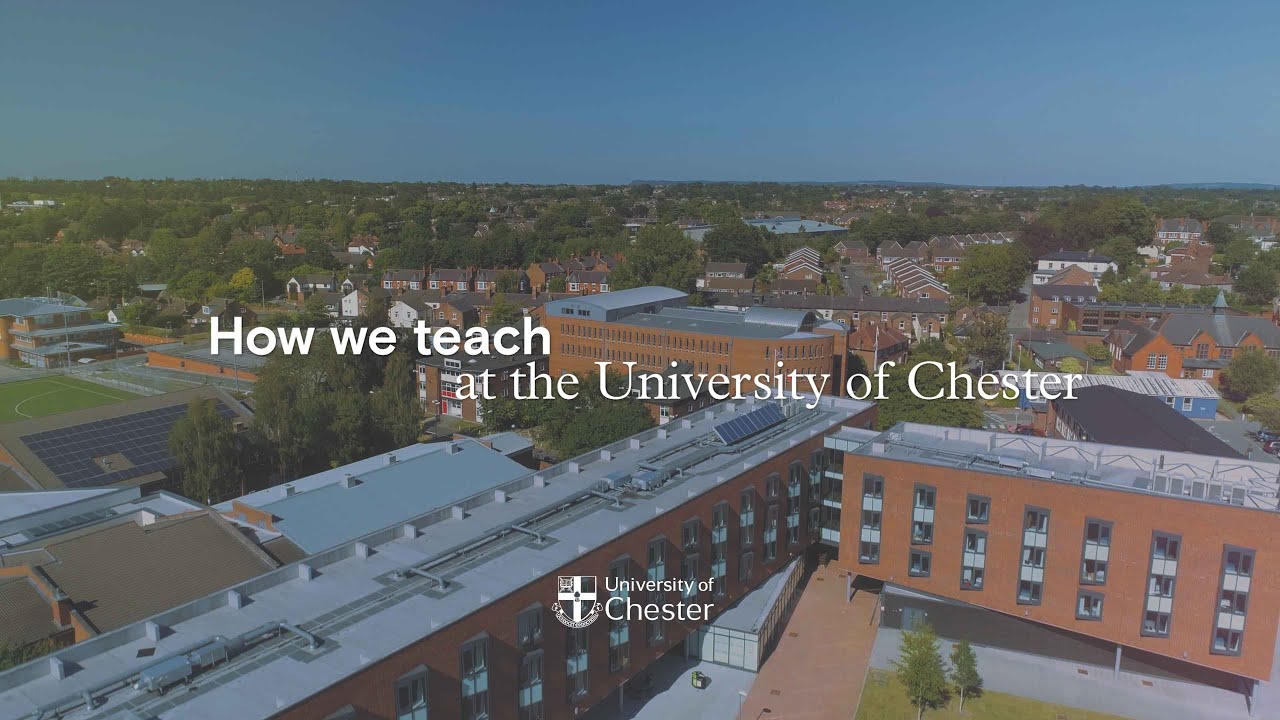
An aerial photograph of Exton Park with the text 'How we teach at the University of Chester'

How we teach at the University of Chester

This course is delivered in three terms of ten weeks each. In each term, you study 40 credits usually comprised of either one or two modules. At Level 6, the dissertation module will be delivered alongside other modules.

If studied, the Foundation Year, as with the following years of study, will be taught in three 10-week blocks across an academic year. Each block will comprise of a large 40-credit subject-specific module that includes a breadth of topics and subject skills. You will have on average 12-14 hours of contact time per week during the Foundation Year. There may be variations to this where subject practical or specialist space teaching is included.

The average number of scheduled contact hours per week typically ranges from six to ten hours. This will vary depending on the module, year of study, number of practical sessions and the complexity of the material being taught. You will have the opportunity to collaborate with students from related courses on a common first year with BSc Zoology.

Independent learning is an important part of this course. You should expect to spend an average of 30-34 hours per week on independent study, which might include following asynchronous learning material on the University’s Virtual Learning Environment, using the University’s library, working with peers and preparing work for your assessments.

This course is designed around in-person study to allow for practical sessions, group discussions, field trips and to maximise the support we can give you. There will be a mix of tutor-led lectures, seminars, workshops, and peer learning. Some sessions may be delivered online and there may be occasional guest lecturers and speakers if required.

Alongside this, practical sessions and experiential learning opportunities will allow you to develop relevant laboratory and field techniques and key employability skills such as digital literacy and professionalism.

You will be assessed in a variety of ways so you are exposed to the different tasks you might encounter in the workplace. Assessments will include coursework in the form of written pieces, laboratory and field reports, real-world case studies, data processing, presentations, behavioural observation studies and field journals.

In some modules, you may encounter group work, open-book tests in class or via the virtual learning environment, practical assessments, as well as end-of-module assessments. We continuously review the assessment methods used to ensure that they adequately prepare you for graduate-level employment.

All teaching is delivered by experienced academics and practitioners, with the fundamental principles of the Chester Future Skills Curriculum at its core - building your subject competence, confidence and key transferable skills to shape you into a world-ready Chester graduate.

Your Future Career

Job Prospects

Many of our graduates go on to postgraduate studies, including progressing to our Animal Behaviour MSc, Wildlife Conservation MSc, or Biological Sciences MRes

Opportunities to gain graduate employment with a degree in Animal Behaviour include roles in:

  • Animal management and welfare assessment
  • Wildlife management and ecology 
  • Zoo-based science, research and outreach 
  • Charity management, research policy and education 
  • Government and local council careers 
  • Self-employed careers including starting your own business. 

Due to the sought-after transferable skills, such as communication, team working, analysis, and creative and critical thinking, graduates have also pursued careers in science journalism, teaching, marketing and project management. 

Careers Service

The University has an award-winning Careers and Employability service which provides a variety of employability-enhancing experiences; through the curriculum, through employer contact, tailored group sessions, individual information, advice and guidance.

Careers and Employability aims to deliver a service which is inclusive, impartial, welcoming, informed and tailored to your personal goals and aspirations, to enable you to develop as an individual and contribute to the business and community in which you will live and work.

We are here to help you plan your future, make the most of your time at University and to enhance your employability. We provide access to part-time jobs, extra-curricular employability-enhancing workshops and offer practical one-to-one help with career planning, including help with CVs, applications and mock interviews. We also deliver group sessions on career planning within each course and we have a wide range of extensive information covering graduate jobs and postgraduate study.

What Our Students Think

Entry Requirements

112UCAS points

UCAS Tariff

112 points

GCE A Level

Typical offer – BCC-BBC ; either Biology or Psychology is essential

BTEC

BTEC Extended Diploma: (Animal Care/Management or Applied Science): Typical offer - DMM

International Baccalaureate

28 points including 5 in HL Biology or Psychology

Irish / Scottish Highers

Irish Highers: H3 H3 H3 H3 H4 including H3 in Biology

Scottish Highers: BBBB including Biology or Psychology

Access requirements

Access to HE (Science) Diploma, to include 45 credits at level 3, 30 of which must be at Merit. We will also consider an Access to HE Diploma with sufficient Psychology credits.

T Level

T Level Science / Animal Management and Science / Animal Management and Behaviour - Merit

OCR Cambridge Technicals

OCR Extended Diploma (Applied Science): DMM

Extra Information

Welsh Baccalaureate Advanced and A level General Studies will be recognised in our offer.  We will also consider a combination of A Levels and BTECs/OCRs. 

Students from countries outside the UK are expected to have entry qualifications roughly equivalent to UK A Level for undergraduate study and British Bachelor's degree (or equivalent) for postgraduate study. To help you to interpret these equivalents, please click on your country of residence to see the corresponding entry qualifications, along with information about your local representatives, events, information and contacts.

We accept a wide range of qualifications and consider all applications individually on merit. We may also consider appropriate work experience.

English Language Requirements

  • IELTS Academic: Undergraduate: 6.0 (minimum 5.5 in each band)
  • Postgraduate: 6.5 (minimum 5.5 in each band)

For more information on our entry requirements, please visit International Entry Requirements.

72UCAS points

UCAS Tariff

72 points

GCE A Level

72 UCAS points from GCE A Levels to include grade D in Biology or Psychology

BTEC

BTEC Extended Diploma: (Animal Care/Management or Applied Science): Typical offer - MMP

International Baccalaureate

24 points including 4 in HL Biology or Psychology

Irish / Scottish Highers

Irish Highers: H4 H4 H4 H4 H4 including Biology

Scottish Highers: CCDD including Biology or Psychology

Access requirements

Access to HE (Science) Diploma - Pass overall. We will also consider an Access to HE Diploma with sufficient Psychology credits.

T Level

T Level Science / Animal Management and Science / Animal Management and Behaviour - Pass (D or E on the core)           

OCR Cambridge Technicals

OCR Extended Diploma (Applied Science): MMP

Extra Information

Welsh Baccalaureate Advanced and A level General Studies will be recognised in our offer. We will also consider a combination of A Levels and BTECs/OCRs.

If you are a mature student (21 or over) and have been out of education for a while or do not have experience or qualifications at Level 3 (equivalent to A Levels), then our Foundation Year courses will help you to develop the skills and knowledge you will need to succeed in your chosen degree. 

Fees and Funding

£9,790per year for a full-time course (2026/27)

Tuition fees for Home students for the academic year 2026/27 will be £9,790 for full-time students and £7,335 for part-time students (subject to Parliamentary approval). Fees for subsequent years may be subject to increase in line with the Government fee cap.

You can find more information about undergraduate fees on our Fees and Finance pages.

Students from the UK, Isle of Man, Guernsey, Jersey and the Republic of Ireland are treated as Home students for tuition fee purposes.

Students from countries in the European Economic Area and the EU will pay International Tuition Fees.

Students who have been granted Settled Status may be eligible for Home Fee Status and if eligible will be able to apply for Tuition Fee Loans and Maintenance Loans.

Students who have been granted Pre-settled Status may be eligible for Home Fee Status and if eligible will be able to apply for Tuition Fee Loans.

£14,950*per year for a full-time course (2026/27)

The tuition fees for international students studying Undergraduate programmes in 2026/27 are £14,950 per year for a full-time course. This fee is set for each year of study.

The University of Chester offers generous international and merit-based scholarships, providing a significant reduction to the published headline tuition fee. You will automatically be considered for these scholarships when your application is reviewed, and any award given will be stated on your offer letter.

For courses with a Foundation Year, the tuition fees for Year 1 are £11,250 and £14,950 for Years 2-4 in 2026/27.

For more information, go to our International Fees, Scholarship and Finance section.

Irish Nationals living in the UK or ROI are treated as Home students for Tuition Fee Purposes. 

Depending on the course you are studying, there may be additional course-specific costs that you will be required to meet, some of which will be mandatory, others as part of optional modules.

Mandatory costs:

  • All students carrying out laboratory work will be required to purchase a lab induction pack with a lab coat and other required equipment. The current price is £30.00, but this may be subject to price increases depending on purchase costs. Second-hand packs at a slightly lower price are subject to availability.
  • Please note that your course runs a compulsory residential field trip in the first year for which you are asked to contribute £100.

Optional costs:

  • If you choose Optional modules that include travel overseas you will be responsible for the full cost of the trip. In the past, this has been between £2,000 and £3,000 for a two-week overseas trip, but future costs may vary due to global price fluctuations. The University will endeavour to revise the expected estimation of costs on an annual basis.
  • You can can opt to take part in the Welcome Week trip which will involve a contribution of £10.
  • You should also consider having waterproof clothing and sturdy walking boots. The quality and cost of these are at your discretion but must be suitable for fieldwork/trips in the UK in the winter months.

Other additional costs may include (but are not limited to):

  • the purchase of books, printing, photocopying, educational stationery and travel to placements.
  • If you are living away from home during your time at university, you will need to cover costs such as accommodation, food, travel and bills.
  • You may also wish to consider the cost of graduation and the hire or purchase of your robes as well as travel and accommodation at the event.

Who You'll Learn From


Enquire about a course