
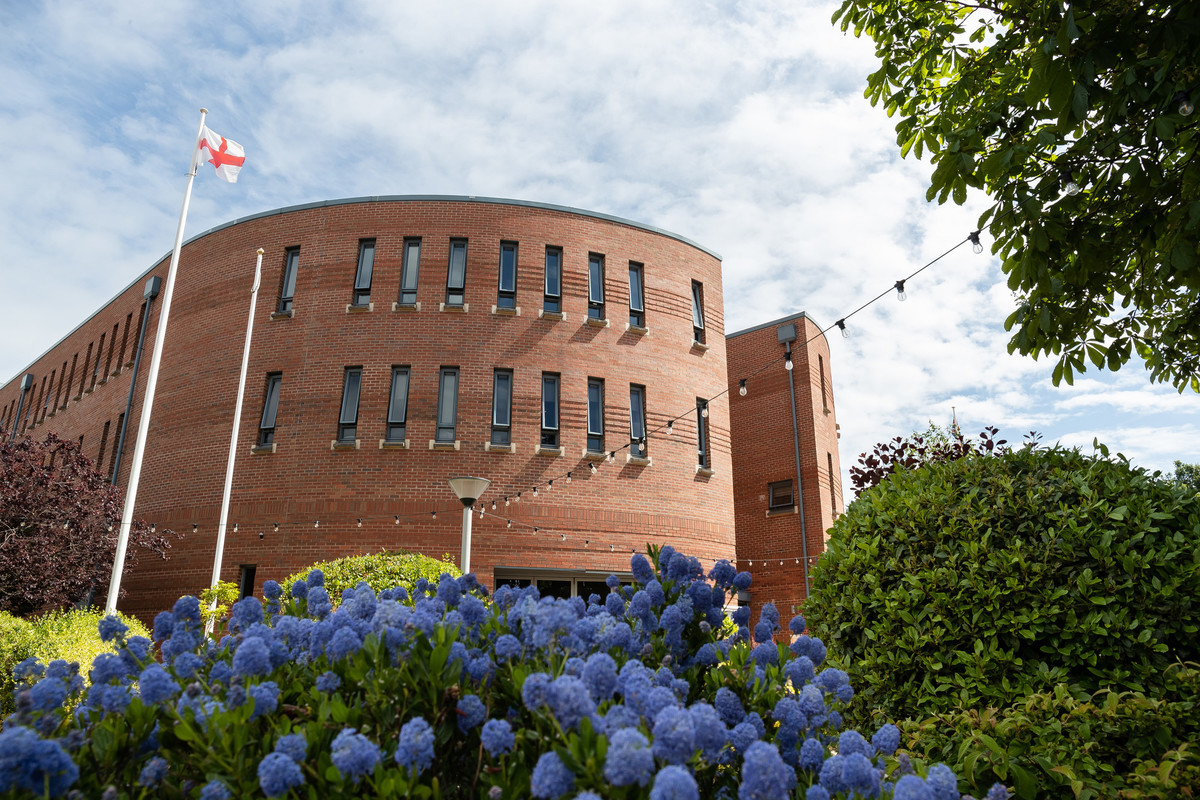


A student in a class

Psychology is a discipline which can be applied to almost any field of work. Using scientifically tested psychological principles and processes, we can support individuals and groups, organisations and professions in achieving their goals. From health promotion to consumer behaviour, the applications of psychology are pervasive in today’s modern society.

The Master's in Applied Psychology programme is focused on the applications of psychology in everyday life. The programme may be of interest to those who wish to apply their psychological knowledge to other careers or disciplines, such as, but not limited to, management and human resources, teaching, marketing or health. This programme can also be a useful stepping stone for those considering future professional or doctoral training in psychology or allied fields.

Our programme is designed specifically for graduates who already have a good grounding in psychology, who wish to learn how psychological knowledge can be applied to real-world issues. Much of the teaching takes an 'active learning' approach, whereby students are supported in their learning through practical exercises and experiential learning. The programme is taught by a highly qualified team, with experience of the varied ways in which psychology can be applied.


Why You'll Love It

MSc Applied Psychology

MSc Applied Psychology

What You'll Study

Learning experiences are structured around three main themes: you will gain experience with foundational intervention skills (in role-play settings); you will be supported to develop your self-identity as a professional, adhering to professional standards; and you will be encouraged to learn about the importance of evidence-based practice.

Core Modules

This module will introduce students to the issues that surround the successful management and completion of research projects in professional and applied settings. The course will focus on two core strands. Firstly ethical and professional standards will be examined in detail. The course will then focus on the practical issues and skills surrounding research projects, their development and their management. An emphasis on applied research, and on research with different populations, will be made during the course. 

The module introduces students to the nature and philosophy of applied psychology, reinforcing evidence-based critical thinking. The module reminds students about the essentials of psychological research, including brief refreshers on the basics of qualitative and quantitative approaches. Students are encouraged to develop a critical understanding of applied psychological methods (e.g. observational studies, interviews, single case studies, and experimental methods). 

The module also considers quantitative experimental and correlational methods and introduces appropriate analytical techniques for both. Workshops provide students with hands-on activities and will include training in the use of statistical software packages (e.g. SPSS) to supplement the training students will have gained during their undergraduate work. Students will be expected to demonstrate the ability to conduct and understand the output of a range of analyses, both descriptive and inferential (e.g. Generalised Linear Model, Structural Equation Modelling, Exploratory Factor Analysis). Taught sessions will provide students with the opportunity to critically evaluate research designs and assess the quality of evidence for different aspects of applied psychology practice. A practical overview of realist qualitative methodologies is given (e.g. interviews, content analysis, thematic analysis). Students are expected to explore at least one qualitative approach in detail.

Students will receive guidance on the appropriate communication of qualitative and quantitative analysis. 

The focus of this module is to enable students to further strengthen their knowledge of a specific research area in applied psychology and further develop their research skills by conducting a research project under the supervision of an academic expert in applied psychology. There will be workshops and tutorials commensurate with individual student learning needs.

This module will offer students on the MSc Applied Psychology course the opportunity to apply their knowledge of psychological theory and research to a work setting. As a work-based learning module, a substantial proportion of the students’ time will be spent on placement in a work setting which may take the form of a variety of different settings (e.g. voluntary, public or private). The placement will require students to use the transferrable skills and knowledge developed as part of the MSc Applied Psychology course.

This module aims to enable students to define and contextualise applied psychology and then allow students to demonstrate how psychological knowledge might be applied in an evidence-based manner to deal with a range of social issues. As this is an applied programme this will primarily be delivered using an interactive workshop format with slightly more emphasis on didactic lecture-style content at the start of the module. Problem-based learning will be used as a strategy to scaffold students' learning.

Using and applying psychological knowledge requires you to have a range of skills including professional practice skills and this module is designed to develop those. You will learn about ethics in practice through exploring the British Psychological Society and HCPC guidelines and explore how these differ between countries. You will also learn and develop practitioner skills such as contracts and contractual agreements, safeguarding working in multidisciplinary or agency situations, communicating psychology to the public and organizations.

This module aims to give students an awareness of intervention approaches to psychotherapy, including skills and techniques. Students are to learn about evidence-based techniques and gain an understanding of how they can be applied.

The information listed in this section is an overview of the academic content of the course that will take the form of either core or option modules and should be used as a guide. We review the content of our courses regularly, making changes where necessary to improve your experience and graduate prospects. If during a review process, course content is significantly changed, we will contact you to notify you of these changes if you receive an offer from us.

How You'll Learn

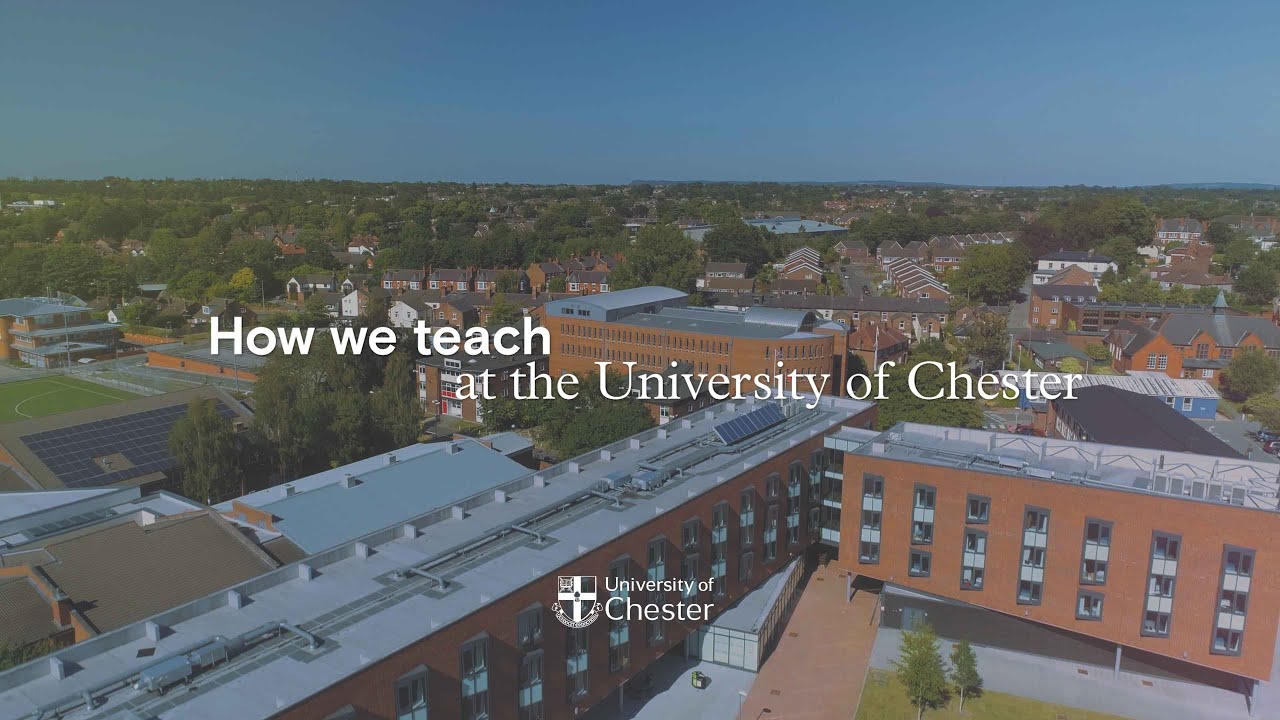
An aerial photograph of Exton Park with the text 'How we teach at the University of Chester'

How we teach at the University of Chester

Teaching

You will be taught in small-to-medium groups, with a focus on learning through problem solving, group discussions and practical tasks. There is less lecture-based delivery than other similar courses. Scheduled sessions are on Tuesdays and Wednesdays.

Students will undertake an advanced research dissertation in an area of applied psychology.

Assessment

Assessment types are varied on this programme to reflect the diversity of applications of psychology in the real world. There is heavy use of coursework, including portfolios, role play videos, presentations and lab reports, together with some written tests.

Your Future Career

Job Prospects

The course will be suitable for those thinking of a career in psychology who wish to undertake a more generic MSc prior to Stage 1 or Professional Doctoral training, and those who wish to broaden their knowledge and understanding prior to a career where psychology is a central aspect. The programme does not confer Practitioner Psychologist status. 

Careers service

The University has an award-winning Careers and Employability service which provides a variety of employability-enhancing experiences; through the curriculum, through employer contact, tailored group sessions, individual information, advice and guidance.

Careers and Employability aims to deliver a service which is inclusive, impartial, welcoming, informed and tailored to your personal goals and aspirations, to enable you to develop as an individual and contribute to the business and community in which you will live and work.

We are here to help you plan your future, make the most of your time at University and to enhance your employability. We provide access to part-time jobs, extra-curricular employability-enhancing workshops and offer practical one-to-one help with career planning, including help with CVs, applications and mock interviews. We also deliver group sessions on career planning within each course and we have a wide range of extensive information covering graduate jobs and postgraduate study.

Entry Requirements

Honours Degree

Honours degree in psychology or an associated discipline (minimum 2:2), or possess a non-psychology honours (minimum 2:2) or Master’s degree that has included research methods and statistics.

For those without a psychology degree, we encourage you to speak to the Programme Leader.

IELTS

6.5 (Min 5.5 in each sub-skill)

Honours Degree

Honours degree in psychology or an associated discipline (minimum 2:2), or possess a non-psychology honours (minimum 2:2) or Master’s degree that has included research methods and statistics.

For those without a psychology degree, we encourage you to speak to the Programme Leader.

Fees and Funding

£9,090 for a full-time course (2026/27)

The tuition fees for international students studying programmes in 2026/27 are £9,090 per year.

£15,500 (2026/27)

The tuition fees for international students studying programmes in 2026/27 are £15,500 per year.

Who You'll Learn From

Dr Annie Scudds

Senior Lecturer
Dr Annie Scudds

Enquire about a course