A decorative collage

Art therapy combines creative expression with psychotherapeutic practice, enabling people to communicate and explore experiences that may be difficult to put into words. Working with art materials allows individuals to engage with complex thoughts and feelings, supporting greater self-understanding and emotional wellbeing.

Our HCPC-approved MA Art Therapy course provides the professional training required to practise as a registered Art Therapist/Art Psychotherapist. Rooted in contemporary practice, the programme is enriched by teaching from experienced visiting practitioners and includes a dedicated placement preparation module to support the transition from theory to practice. You will be encouraged to develop your academic knowledge, clinical skills, and creative identity, preparing you to work across health, social care, education, therapy services, and community contexts.

As a student, you will join a supportive and stimulating learning community where creativity, reflective practice, and critical thinking are at the centre of your training. Art therapists work with people of all ages and abilities, supporting children, young people, families, adults, and older people who may be experiencing trauma, bereavement, mental health challenges, disability, rehabilitation, or displacement. This course offers you the opportunity to develop both personally and professionally, discovering how art therapy can make a meaningful difference in the lives of others.

We are open for applications for October 2026 entry for international applicants.

Applications for home applicants for October 2026 have now closed.


Why You'll Love It

What You'll Study

The course offers a rich exploration of the theory and practice of art therapy, drawing on key models of human development and communication. Learning is rooted in psychodynamic principles, with a particular focus on Object Relations theory, the work of Donald Winnicott, attachment theory and the insights of Carl Gustav Jung. This foundation allows you to develop a deep understanding of the therapeutic process and the ways in which creativity can support emotional and psychological wellbeing.

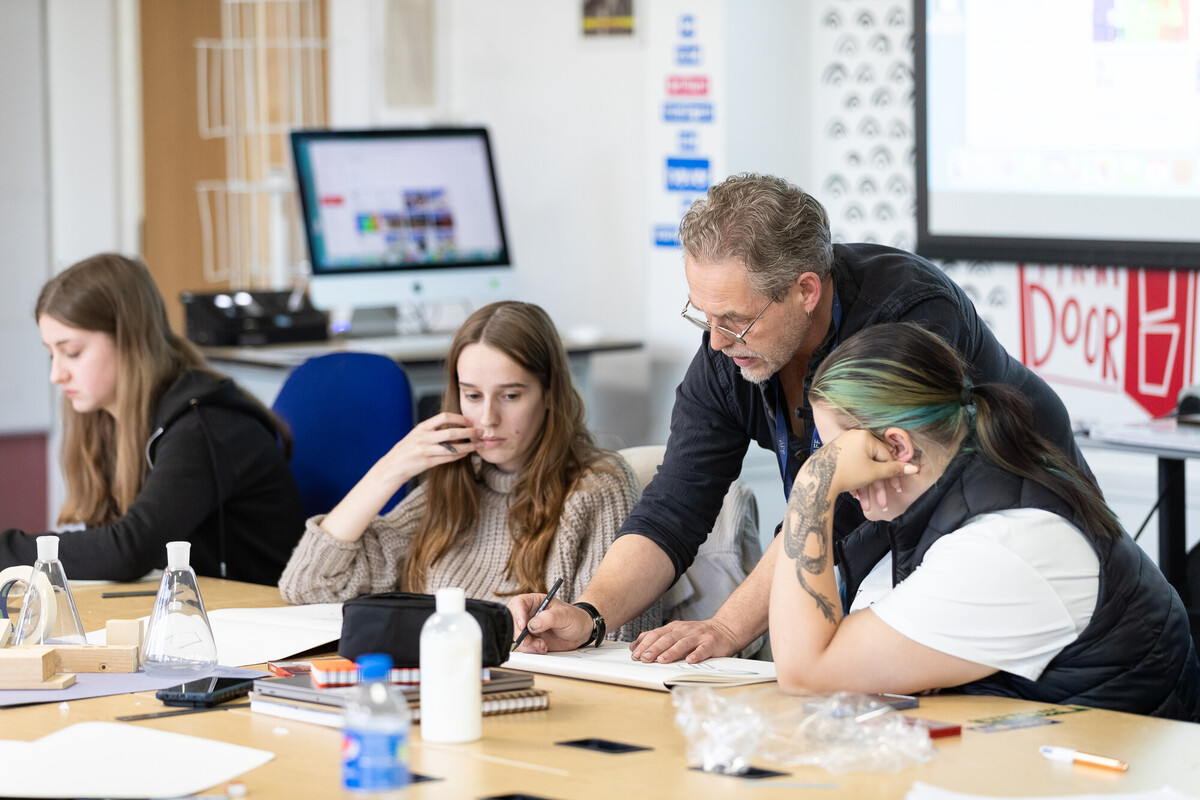
Theory is integrated with practice, offering a dynamic and immersive learning experience. You will engage with real-world case studies, benefit from the expertise of visiting practising art therapists, and participate in experiential training groups that encourage self-reflection, empathy, and creative exploration. Practical application is further supported through practice placement modules, complemented by supervision groups that foster reflection, critical thinking, and professional development.

Core Modules

This module explores psychodynamic theories and their relevance to art therapy, drawing on both historical and contemporary perspectives. Students will engage with symbolic imagery, therapeutic models, and the role of the image in practice through a combination of theoretical study and experiential learning. The module includes individual and group approaches to image-making, with attention to group dynamics as part of the learning process.

Module content will include:

  1. Contemporary and original research exploring a range of psychodynamic theories and their relevance to art therapy
  2. Historical and contemporary perspectives on art psychotherapy; theorists; models of art therapy; psychotherapeutic interventions; symbolic imagery.
  3. The role of the image and its application in practice.
  4. Experiential learning; different approaches to the use of visual art; practice and process of image-making; group dynamics in action.

This module invites students to deepen their understanding of the art therapy process through experiential learning and critical reflection. It explores how the therapeutic frame is applied with a range of clients, how professional values and standards are embodied in practice, and how supervision supports the development of therapeutic boundaries, endings, and self-awareness

Module content will include

  1. Utilising experiential learning; working to the HCPC Standards of Proficiency; understanding of how therapeutic frame is applied with particular client group/setting and more widely vulnerable clients; observation and practice of professional standards and values.  Articulating Art Therapy.
  2. Working within a team; understanding of organisational policies and local implementation of government drivers; understanding of professional limits and referral procedures; maintenance of a safe environment.  Engagement with assessment, care planning and evaluation; record keeping; experience of supervision.•
  3. The role of supervision; giving and receiving feedback; establishing boundaries; beginnings, middles and endings; recording supervision.


The aims of the module include:

  1. To provide a comprehensive introduction to social research with regard to key concepts, approaches, and techniques.
  2. To facilitate the preparation of a research proposal for the dissertation.
  3. To enable students to identify the strengths and weaknesses of different approaches to their research topic.

Module content will include:

  1. Research and professional practice: evidence-based practice, being a critical consumer of research, practice development and research.
  2. Key concepts and issues in social research: research topics and research questions, answering questions with data, validity and reliability of data, qualitative and quantitative data, description, exploration, finding connections, formulating and testing hypotheses, populations and sampling, interpretivism and positivism.
  3. Research traditions and designs: ethnography, survey, experiment, mixed method, research process.
  4. Gathering and analysing data: Observation, questionnaires, interviews. Data analysis and  drawing conclusions.
  5. Literature review: searching, locating, reading and summarising, reviewing and critiquing, organising, synthesising, and using the literature.
  6. Preparing the research proposal: Identifying research questions or hypothesis for chosen topic. Designing a study to address the question(s). Data gathering and recording, data analysis. Considering alternative approaches: critical analysis of alternative methods of research to the chosen approach.  Knowledge transfer and strategies for dissemination.
  7. Ethical frameworks, constraints, data protection, confidentiality and human rights.
  8. Preparing an application for ethical approval.

This module introduces key principles of art therapy, including therapeutic frames, transference, and the role of the image in communication, with an emphasis on experiential learning and cultural competence. Students will explore reflective processes, communication strategies, and collaborative practice within diverse contexts, developing personal and professional insight through critical reflection and image-making

Module content will include:

  1. The principles of art therapy; Therapeutic frames and phenomena; transference and counter-transference; and experiential learning.  Cultural influences on art therapy practice including communication, beliefs, knowledge, skills and attitudes. Cultural competence and diversity in practice.
  2. Reflection on the use of listening and observation skills; understanding barriers to communication; non-verbal communication; body language; the role of the image in communication.
  3. The principles of art therapy theory and practice; the construct of collaborative working and how it can be influenced (notions of leadership and followership and cultural competence); cross cultural theories, legislation and enactment in art therapy contexts.
  4. Familiarising students with different models of reflective processes to enable them to apply a critical synthesis of communication strategies with personal image-making, personal growth and professional development.


This module focuses on applying art therapy theory and values in real-world practice, guided by professional ethics. Students will critically reflect on their experiences, explore how organisational decisions affect service delivery, and consider their developing identity as art therapists. There is a strong emphasis on self-awareness, collaborative working, and understanding one’s role in a wider professional context. Students will also have opportunities to demonstrate the HCPC Standards of Proficiency through direct practice.

Module content will include:  

  1. Application of art therapy theories and values into practice in accordance with the guidance on conduct and ethics for students (Health and Care Professions Council, 2012).
  2. Critical reflection and analysis in and of practice, engagement with organisational policies and decisions and the impact on service users / service delivery in a trans-professional context
  3. Analysis of self-identity within a professional context, which is focused on awareness of self and collective efficacy via collaborative working
  4. The opportunity to engage in direct work enabling the student to demonstrate Qualifying Art Therapy HCPC Standards of Proficiency


The Art Therapy Dissertation module is your opportunity to dive deep into a subject you're passionate about, blending creativity, theory, and clinical insight. This capstone project encourages you to explore a research question that speaks to your personal and professional interests within art therapy practice. Whether you're investigating the therapeutic use of imagery, cultural narratives in healing, or the role of the unconscious in creative expression, this module gives you the tools and support to shape your ideas into a meaningful contribution to the field. You'll develop critical research skills, engage with academic literature, and reflect on your own evolving identity as an art therapist. With guidance from experienced supervisors, you’ll craft a dissertation that not only meets academic standards but also reflects your unique voice and vision. This is more than a research paper—it’s a journey into your own curiosity.

The information listed in this section is an overview of the academic content of the course that will take the form of either core or option modules and should be used as a guide. We review the content of our courses regularly, making changes where necessary to improve your experience and graduate prospects. If during a review process, course content is significantly changed, we will contact you to notify you of these changes if you receive an offer from us.

How You'll Learn

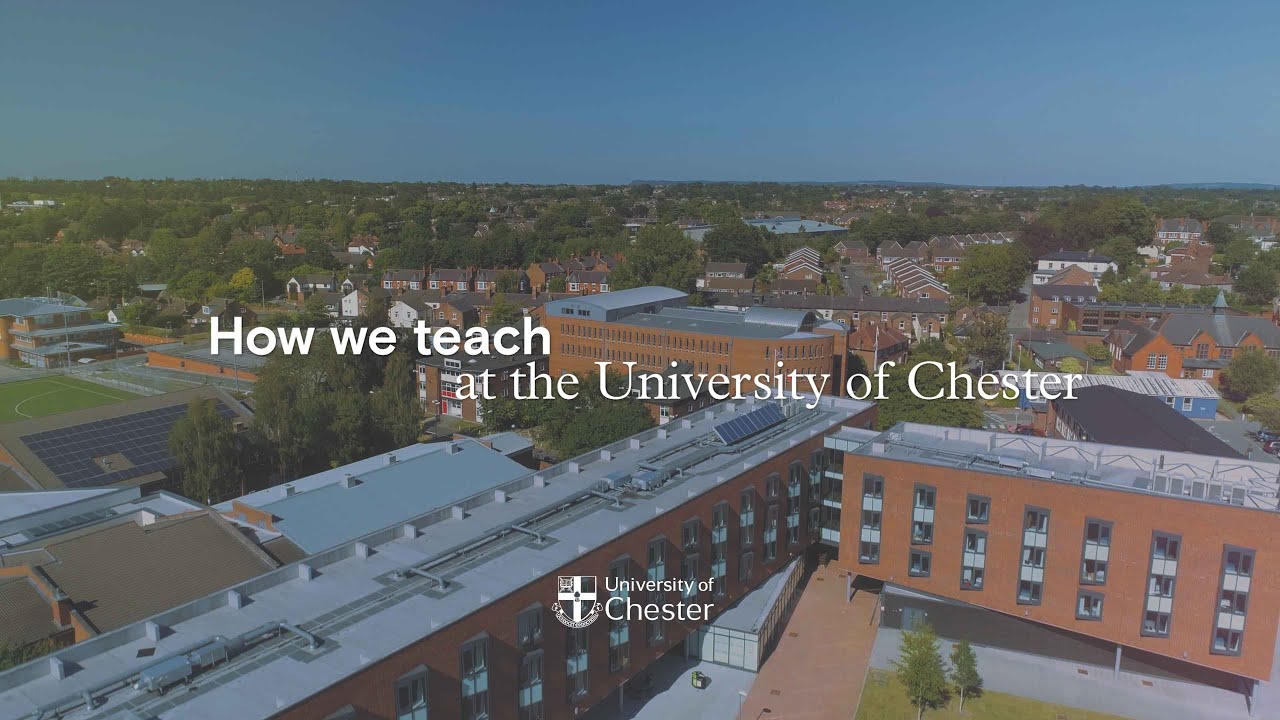
An aerial photograph of Exton Park with the text 'How we teach at the University of Chester'

How we teach at the University of Chester

We use a variety of assessment methods, including written essays, PowerPoint presentations, reflective models, portfolio and visual logs.

Modules run over 10 weeks with typically 40 hours of direct teaching per module. You will also be expected to undertake an approximate minimum of seven hours’ self-study time per week, per module.

On this course, you’ll spend time out on placement where you’ll apply what you have learnt to real scenarios in the workplace, giving you genuine experience and insight that will prepare you for your future career.

Your Future Career

Job Prospects

Graduating Arts Therapists obtain work often in areas where placement opportunities are available. Placement Providers are able to assess service and individual needs and introduce art therapy into the service where appropriate. Education, health & social care services, community practices, NHS and independent sectors all employ art therapists.

The BAAT (British Association of Art Therapists) is the Professional Body for Art therapy.

Careers service

The University has an award-winning Careers and Employability service which provides a variety of employability-enhancing experiences; through the curriculum, through employer contact, tailored group sessions, individual information, advice and guidance.

Careers and Employability aims to deliver a service which is inclusive, impartial, welcoming, informed and tailored to your personal goals and aspirations, to enable you to develop as an individual and contribute to the business and community in which you will live and work.

We are here to help you plan your future, make the most of your time at University and to enhance your employability. We provide access to part-time jobs, extra-curricular employability-enhancing workshops and offer practical one-to-one help with career planning, including help with CVs, applications and mock interviews. We also deliver group sessions on career planning within each course and we have a wide range of extensive information covering graduate jobs and postgraduate study.

Entry Requirements

Honours Degree

This course is open to applicants with a minimum of a 2:2 honours degree in art or another relevant subject.

Other Admission Requirements

Personal qualities: Emotional maturity, resilience, self-awareness, and the ability to reflect on personal and professional experiences.

Personal therapy: Commitment to engage in personal therapy with an HCPC-registered arts therapist throughout training (self-funded).

Prior Work/ Voluntary Experience

Applicants must be able demonstrate a minimum of one year’s work experience (paid or voluntary) within a relevant support/care setting gained prior to the application date. E.g. support work, care work, social work, nursing, teaching, teaching assistant work and wellbeing workshop facilitation. The minimum of one-year work experience must be gained prior to application and post degree graduation

Interview

All applicants need to submit a 500 word essay and a portfolio of 10 images, mainly own work but may include one example of group or community-based work. Reflection: Ability to reflect on the relationship to their images and the process of creating them. Emotional awareness: Emotional responses evoked through art making. Skills: Strong communication skills, empathy, and the capacity to build relationships. Personal qualities: Demonstration of self-awareness, resilience, and reflective capacity. All applicants will undertake an individual interview.

DBS Check

A DBS Check is required

Occupational Health

An Occupational Health check is required

IELTS

7.0 overall

Other Language Proficiency Qualification

TOEFL at 95 overall (min 22 in all areas)

Honours Degree

This course is open to applicants with a minimum of a 2:2 honours degree in art or another relevant subject.

Other Admission Requirements

Personal qualities: Emotional maturity, resilience, self-awareness, and the ability to reflect on personal and professional experiences.

Personal therapy: Commitment to engage in personal therapy with an HCPC-registered arts therapist throughout training (self-funded).

Prior Work/ Voluntary Experience

Applicants must be able demonstrate a minimum of one year’s work experience (paid or voluntary) within a relevant support/care setting gained prior to the application date. E.g. support work, care work, social work, nursing, teaching, teaching assistant work and wellbeing workshop facilitation. The minimum of one-year work experience must be gained prior to application and post degree graduation

Interview

All applicants need to submit a 500 word essay and a portfolio of 10 images, mainly own work but may include one example of group or community-based work. Reflection: Ability to reflect on the relationship to their images and the process of creating them. Emotional awareness: Emotional responses evoked through art making. Skills: Strong communication skills, empathy, and the capacity to build relationships. Personal qualities: Demonstration of self-awareness, resilience, and reflective capacity. All applicants will undertake an individual interview.

DBS Check

A DBS Check is required

Occupational Health

An Occupational Health check is required

Fees and Funding

£10,890 for the full course (2026/27)

For students studying part time (3 year course duration), the fee for this is £3,630 per year.

£19,000 for the full course (2026/27)

The tuition fees for international students studying MA Art Therapy programme in 2026/27 are £19,000.

Who You'll Learn From

Melissa King

Senior Lecturer
Melissa King

Dr Matt Bowen

Head of School
Dr Matt Bowen

Laura Haddick-oxley

Senior Lecturer
Laura Haddick-Oxley

Zahra Akthar

Senior Lecturer
Zahra Akthar

Enquire about a course