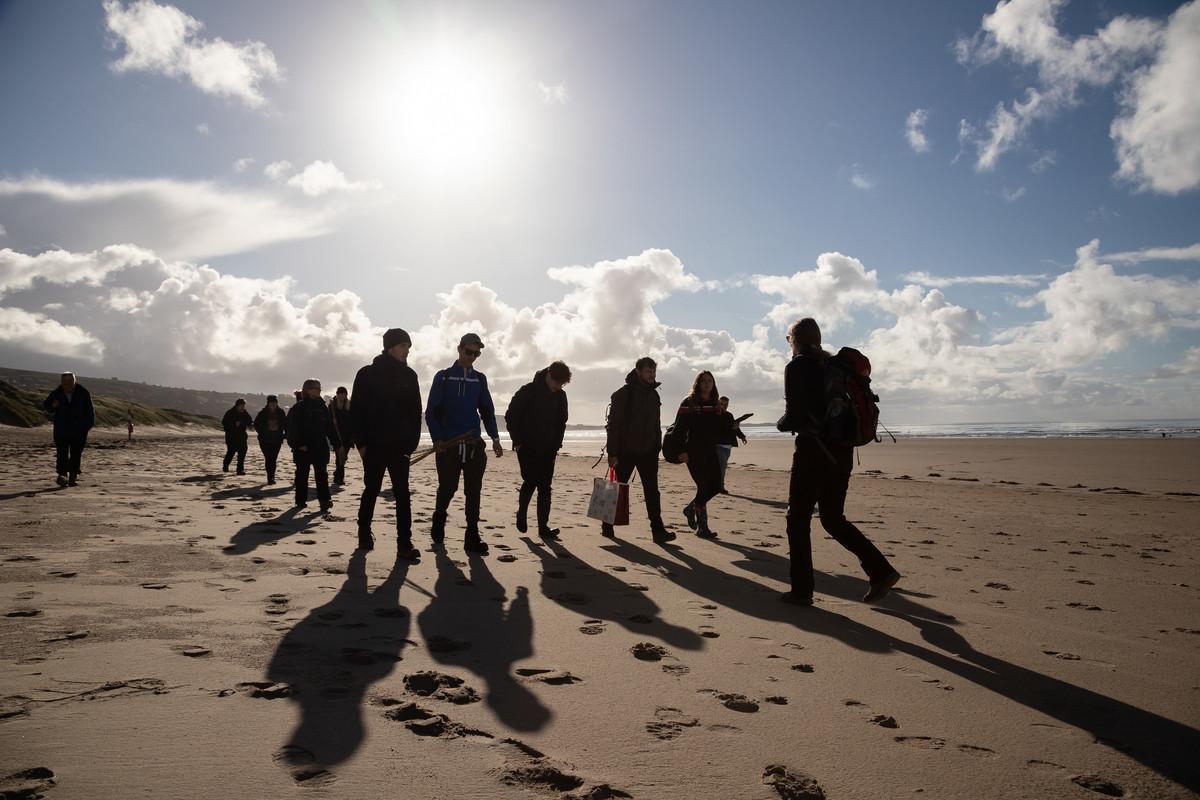
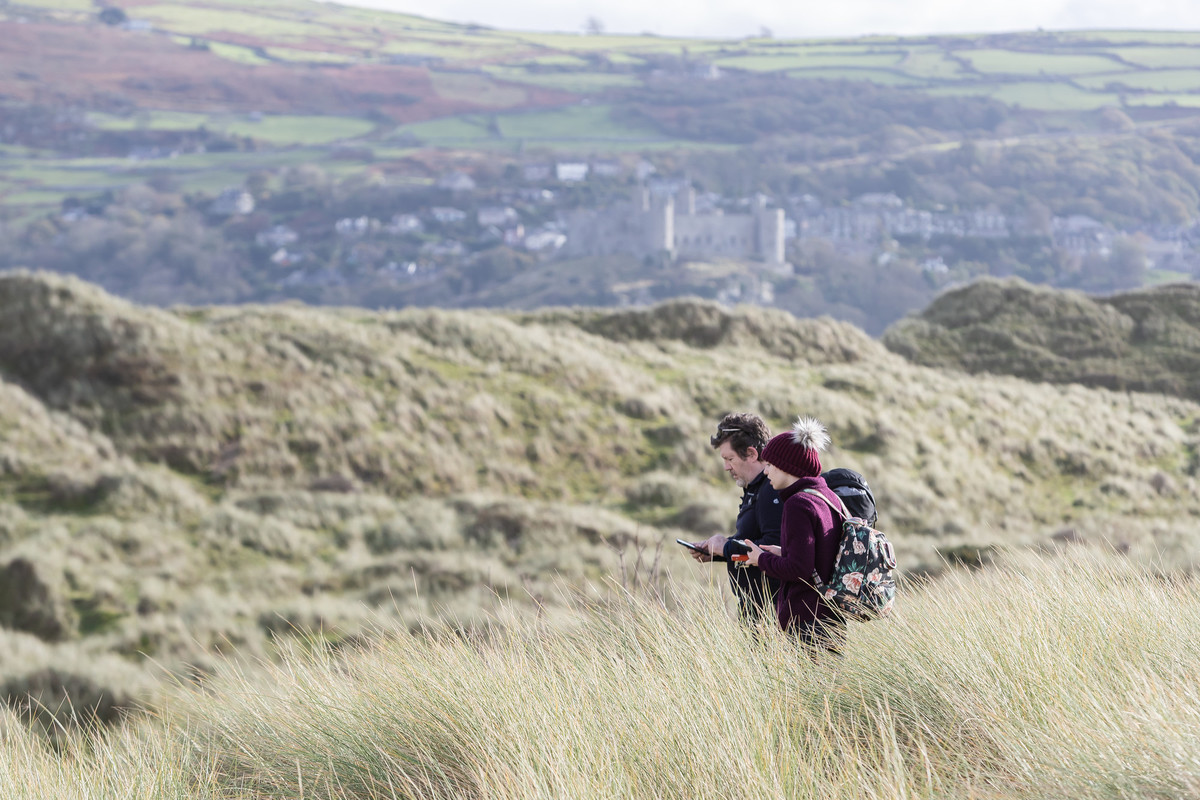
Geography students on a coastal field trip, walking together along a sandy beach under a bright sky.

The BSc in Environmental Science is grounded in a conviction that the environmental challenges of the 21st century – climate change, biodiversity loss, water and air quality, soil degradation, the energy transition, and the just management of land – are inherently interdisciplinary in nature, and that the graduates best placed to address them combine rigorous scientific training with strong analytical and applied skills, an understanding of policy and governance contexts, and a capacity for ethical, evidence-led judgement.

The course philosophy rests on four interlocking commitments:

  • First, that environmental science is a problem-driven discipline: you will learn the underpinning physical, chemical and biological processes through your application to real environmental questions, rather than as decontextualised theory.

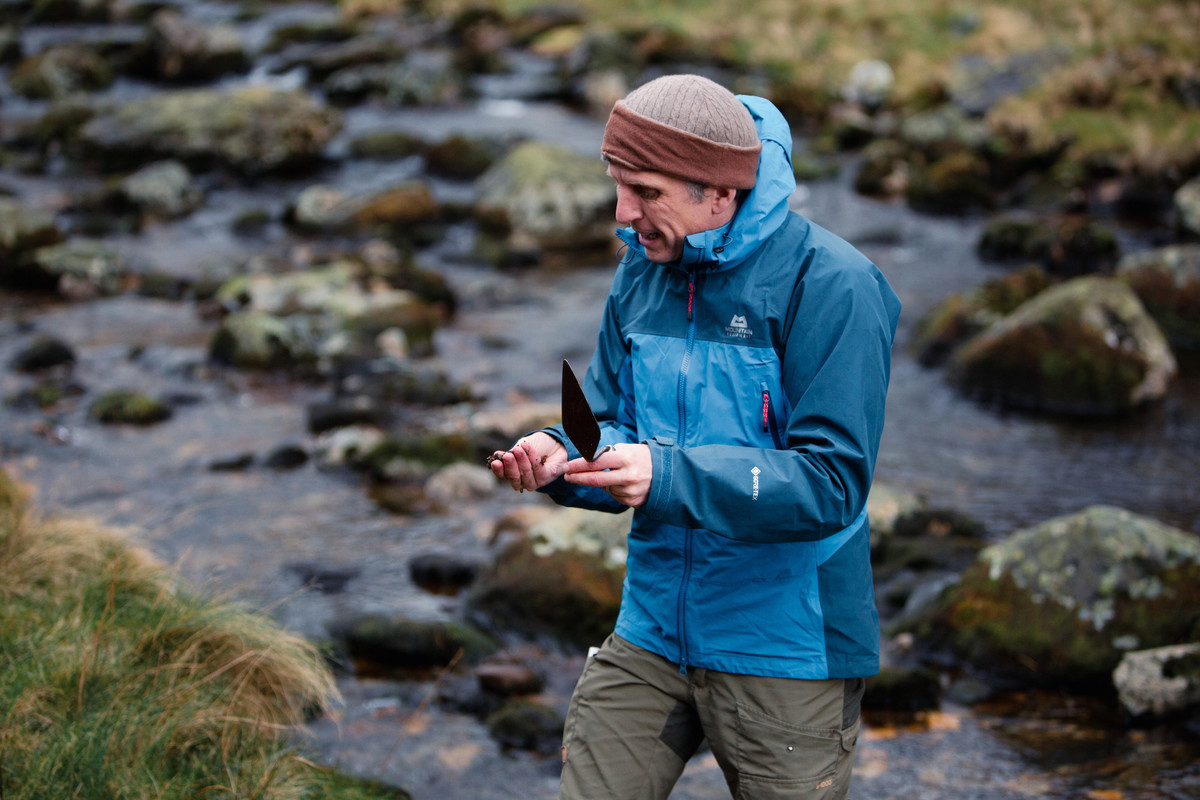
  • Second, that field- and laboratory-based learning are the foundations of scientific competence: you will develop confidence and proficiency by handling instruments, sampling environments, working with messy data, and making independent judgements about evidence.

  • Third, that data fluency (particularly in geographical information systems (GIS), remote sensing, environmental modelling and emerging AI-supported analytical techniques) is now a defining capability of an environmental scientist, not an optional add-on.

  • Fourth, that environmental science cannot be taught in isolation from the social, political and economic systems within which environmental decisions are made; you will therefore be expected to develop the ability to communicate with non-specialists, work with stakeholders, and understand the regulatory and policy frameworks that govern environmental practice.

What You'll Study

The information listed in this section is an overview of the academic content of the course that will take the form of either core or option modules and should be used as a guide. We review the content of our courses regularly, making changes where necessary to improve your experience and graduate prospects. If during a review process, course content is significantly changed, we will contact you to notify you of these changes if you receive an offer from us.

The information listed in this section is an overview of the academic content of the course that will take the form of either core or option modules and should be used as a guide. We review the content of our courses regularly, making changes where necessary to improve your experience and graduate prospects. If during a review process, course content is significantly changed, we will contact you to notify you of these changes if you receive an offer from us.

The information listed in this section is an overview of the academic content of the course that will take the form of either core or option modules and should be used as a guide. We review the content of our courses regularly, making changes where necessary to improve your experience and graduate prospects. If during a review process, course content is significantly changed, we will contact you to notify you of these changes if you receive an offer from us.

The information listed in this section is an overview of the academic content of the course that will take the form of either core or option modules and should be used as a guide. We review the content of our courses regularly, making changes where necessary to improve your experience and graduate prospects. If during a review process, course content is significantly changed, we will contact you to notify you of these changes if you receive an offer from us.

Entry Requirements

112UCAS points

UCAS Tariff

112 points

GCE A Level

Typical offer – BCC-BBC

BTEC

BTEC Extended Diploma: DMM

International Baccalaureate

28 points

Irish / Scottish Highers

Irish Highers - H3 H3 H3 H3 H4

Scottish Highers - BBBB

Access requirements

Access to HE Diploma, to include 45 credits at level 3, of which 30 must be at Merit or above

T Level

Merit

OCR Cambridge Technicals

OCR Extended Diploma: DMM

Extra Information

Welsh Baccalaureate Advanced and A level General Studies will be recognised in our offer. We will also consider a combination of A Levels and BTECs/OCRs.

Students from outside the UK are expected to hold qualifications broadly equivalent to UK standards - typically A Level for undergraduate study and a Bachelor's degree (or equivalent) for postgraduate study.

To help you interpret these equivalents, please select your country/region of residence. This will provide details on equivalent entry requirements, as well as information about local representatives, events, and key contacts.

We accept a wide range of qualifications and assess all applications on an individual basis. Relevant work experience may also be taken into consideration where appropriate.

For more information on our entry requirements, please visit International Entry Requirements.

72UCAS points

UCAS Tariff

72 points

GCE A level

72 points overall, including grade D in A level

BTEC

BTEC Extended Diploma: MMP

International Baccalaureate

24 points

Irish / Scottish Highers

Irish Highers: H4 H4 H4 H4 H4

Scottish Highers: CCDD

Access requirements

Access to HE Diploma – Pass overall

T Level

T Level: Pass (D or E on the core)

OCR Cambridge Technicals

OCR Extended Diploma: MMP

Extra Information

Welsh Baccalaureate Advanced and A level General Studies will be recognised in our offer.  We will also consider a combination of A Levels and BTECs/OCRs.

If you are a mature student (21 or over) and have been out of education for a while or do not have experience or qualifications at Level 3 (equivalent to A Levels), then our Foundation Year courses will help you to develop the skills and knowledge you will need to succeed in your chosen degree. 

Who You'll Learn From

Dr Philip Marren

Senior Lecturer
Blank profile picture placeholder

Enquire about a course