


Worker or technologist operating industrial production machine in food processing factory. Worker or technologist operating industrial production machine in food processing factory.

Studying the BSc (Hons) Food Science and Nutrition degree enables you to explore how food and nutrition can prevent disease, improve quality of life and promote long-term health, while developing the scientific expertise valued by employers across the food, health and wellbeing sectors.

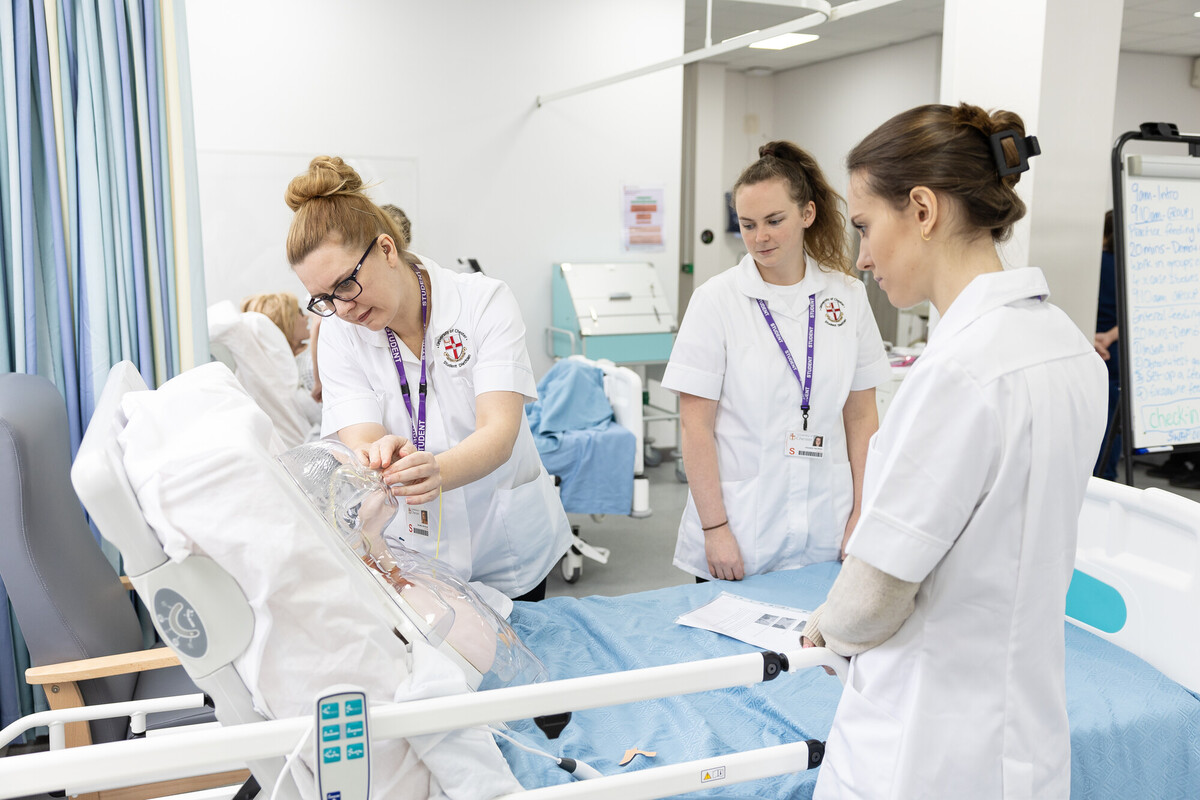
A key feature of the course is its hands-on, applied learning, including access to specialist facilities such as NoWFOOD and science laboratories, where you can develop food sensory evaluation and analytical skills. You will also be taught by experienced researchers who are actively publishing in the field, ensuring your learning is current and relevant.

By the end of the course, you will graduate with the knowledge, practical experience and transferable skills needed for careers in food science, nutrition, public health and product development, or for progression to postgraduate study.

Why study Food Science and Nutrition at Chester?

The School of Allied and Public Health has an excellent reputation in nutrition at both undergraduate and postgraduate level, with considerable teaching and research expertise in Food Science and Nutrition and all its allied subjects and fields. 

  • Learn from dedicated expert staff with extensive teaching, research and industry experience.
  • Gain practical skills and hands-on experience in specialist facilities such as NoWFOOD and laboratories
  • Complete assessments linked to real-world projects
  • promote health and well-being through food and nutrition, create environments that promote health, and develop supportive health-related policies.

Course Features

What will I Study?

The first year provides you with a strong foundation in the science of nutrition, combining biology, chemistry, and practical skills. You will develop an understanding of how the human body functions, including metabolism, energy balance, and the role of nutrients in health. Core nutrition concepts are introduced, alongside skills in dietary assessment and understanding nutrition across the lifecycle.

Throughout the year, emphasis is placed on developing essential academic and professional skills, including data analysis, critical thinking, scientific communication, and the ability to evaluate research.

Modules

  • Biological Science for Nutrition (40 credits)
  • Human Nutrition (20 credits)
  • Nutrition Research Methods and Study Skills (20 credits)
  • Food, Nutrition and the Consumer (20 credits)
  • Introduction to Microbiology (20 credits)

In your second year, you will deepen your understanding of the relationship between nutrition and health, with a stronger focus on disease, metabolism, and behaviour. You will explore how diet influences the development and management of major health conditions, while building advanced knowledge of metabolic processes and how the body responds to different physiological states.

There is also an emphasis on understanding food-related behaviours, including the psychological and social factors that shape dietary choices, alongside developing practical skills in behaviour change and health promotion. Food microbiology expands your knowledge of food safety, spoilage, and contamination control within food systems.

Modules

  • Diet and Clinical Nutrition (20 credits)
  • Nutrition and Metabolism (20 credits)
  • Behavioural Aspects of Food and Nutrition (20 credits)
  • Research Methods (20 credits)
  • Professional Perspectives in Human Nutrition (20 credits)
  • Food Microbiology (20 credits)

In the final year, you will consolidate your knowledge and apply it in advanced, real-world contexts. A key focus is independent learning through a research dissertation, where you design, manage, and present your own project, developing strong research, critical analysis, and problem-solving skills.

You will explore current and emerging issues in food and nutrition science, including sustainability, food innovation, and personalised nutrition, while gaining insight into how food processing and new technologies shape the modern food system. Public health nutrition builds your ability to design and evaluate strategies that improve population health and communicate effectively with different audiences.

The year also strengthens your clinical understanding, covering disease processes, medical treatments, and the role of nutrition alongside pharmacology. Overall, the final year prepares you for professional practice by integrating scientific knowledge, research capability, and practical application in nutrition and health.

Modules

  • Dissertation (40 credits)
  • Advances in Food and Nutrition Science (20 credits)
  • Public Health and Nutrition (20 credits)
  • Food Processing and Innovation (20 credits)
  • Clinical Medicine and Pharmacology (20 credits)

How will I Learn?

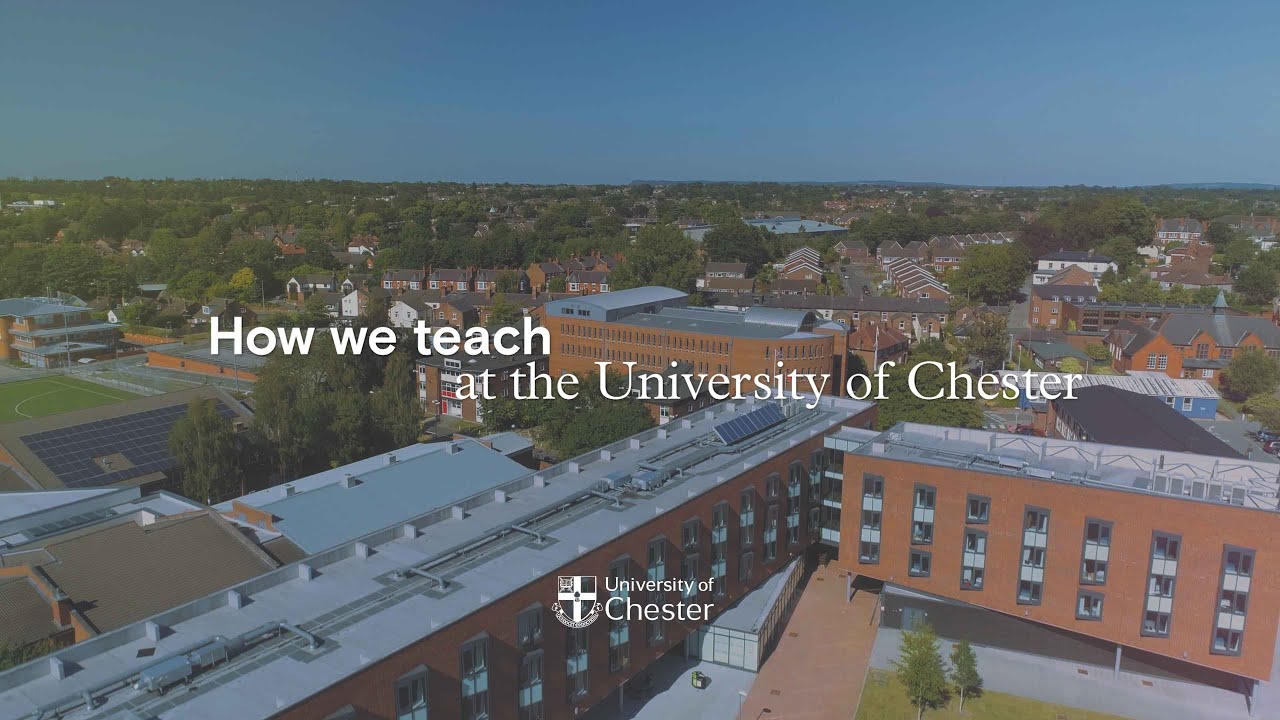
An aerial photograph of Exton Park with the text 'How we teach at the University of Chester'

How we teach at the University of Chester

The course is delivered using a variety of learning and teaching methods designed to encourage scientific enquiry and assist with the development of your skills. The learning and teaching philosophy of the course fully embraces the notion of the independent learner, whilst being enhanced through effective academic leadership, utilising this expert knowledge and skill, alongside evidence-based practice in their teaching.

Learning and teaching methods include but are not limited to: lectures, interactive lectures, discussions, seminars/presentations, simulated problems, project-based learning, web-based learning, laboratory/practical classes, task-driven tutorials and case studies, work-based/experiential learning.

You will typically receive 8 to 12 hours a week of direct teaching at the university, and will be supported to productively use your time for further independent study, allowing you to maximise your learning and application of knowledge.

In addition, learning support is provided to meet the needs of students who require additional guidance. Heavy emphasis is placed on student participation rather than being the recipient of taught information. The curriculum will be delivered to develop research-mindedness and will foster integration of disciplines using project-based learning (e.g. data handling and analysis, Level 4), task-based learning (e.g. professional perspectives at Level 5), plus self-directed and collaborative learning (e.g. dissertation at Level 6).

All teaching is delivered by experienced academics and practitioners, with the fundamental principles of the Chester Future Skills Curriculum at its core - building your subject competence, confidence and key transferable skills to shape you into a world-ready Chester graduate.

Careers and Employability

Job Prospects

Job pathways for graduates include, but are not limited to, the following:

  • Nutritional Analyst
  • Nutritional Scientist
  • Retail Food Technologist
  • Specification technologies
  • Technical Officer
  • Technical Auditor
  • Quality Auditor
  • NPD Technologist
  • Food Laboratory Technician/Technologist
  • Process Development Technologist
  • Food Service Product Technologist
  • Raw Materials Technologist
  • Applications Technologist

Progression Opportunities

Graduates can progress to MSc Food Science and Innovation, MSc Nutrition Science, MSc Lifestyle Medicine, MSc Nutrition and Dietetics, and MSc Public Health Nutrition at the University. Other progression opportunities include PhD and MPhil.

Careers Service

The University has an award-winning Careers and Employability service which provides a variety of employability-enhancing experiences; through the curriculum, through employer contact, tailored group sessions, individual information, advice and guidance.

Careers and Employability aims to deliver a service which is inclusive, impartial, welcoming, informed and tailored to your personal goals and aspirations, to enable you to develop as an individual and contribute to the business and community in which you will live and work.

We are here to help you plan your future, make the most of your time at University and to enhance your employability. We provide access to part-time jobs, extra-curricular employability-enhancing workshops and offer practical one-to-one help with career planning, including help with CVs, applications and mock interviews. We also deliver group sessions on career planning within each course and we have a wide range of extensive information covering graduate jobs .

Entry Requirements

112UCAS points

UCAS Points

112 points

GCE A Level

Typical offer – BCC-BBC, must include A Level Biology or Chemistry

GCSE

A GCSE grade C/4 (or above) in Mathematics and English Language is required.

BTEC

BTEC Extended Diploma (Applied Science): DMM

International Baccalaureate

26 points, including 5 in HL Biology or Chemistry

Irish/Scottish Highers

Irish Highers: H3 H3 H3 H3 H4, including H3 in either Biology, Chemistry

Scottish Highers - BBBB including either Biology, Chemistry

Access requirements

Access to HE Diploma (Science), to include 45 credits at level 3, of which 30 must be at Merit or above

T Level

T Level Science - Merit

OCR Cambridge Technicals

OCR Extended Diploma (Applied Science): DMM

Extra Requirements

Welsh Baccalaureate Advanced and A Level General Studies will be recognised in our offer. We will also consider a combination of A Levels and BTECs/OCRs.

Students from outside the UK are expected to hold qualifications broadly equivalent to UK standards - typically A Level for undergraduate study.

To help you interpret these equivalents, please select your country/region of residence. This will provide details on equivalent entry requirements, as well as information about local representatives, events, and key contacts.

We accept a wide range of qualifications and assess all applications on an individual basis. Relevant work experience may also be taken into consideration where appropriate.

For more information on English entry requirements, including accepted qualifications, please visit International Entry Requirements.

Fees and Funding

£9,790per year for a full-time course (2026/27)

Tuition fees for Home students for the academic year 2026/27 will be £9,790 for full-time students and £7,335 for part-time students (subject to Parliamentary approval). Fees for subsequent years may be subject to increase in line with the Government fee cap.

You can find more information about undergraduate fees on our Fees and Finance pages.

Students from the UK, Isle of Man, Guernsey, Jersey and the Republic of Ireland are treated as Home students for tuition fee purposes.

Students from countries in the European Economic Area and the EU will pay International Tuition Fees.

Students who have been granted Settled Status may be eligible for Home Fee Status and if eligible will be able to apply for Tuition Fee Loans and Maintenance Loans.

Students who have been granted Pre-settled Status may be eligible for Home Fee Status and if eligible will be able to apply for Tuition Fee Loans.

£14,950*per year for a full-time course (2026/27)

The tuition fees for international students studying Undergraduate programmes in 2026/27 are £14,950 per year for a full-time course. This fee is set for each year of study.

The University of Chester offers generous international and merit-based scholarships, providing a significant reduction to the published headline tuition fee. You will automatically be considered for these scholarships when your application is reviewed, and any award given will be stated on your offer letter.

For courses with a Foundation Year, the tuition fees for Year 1 are £11,250 and £14,950 for Years 2-4 in 2026/27.

For more information, go to our International Fees, Scholarship and Finance section.

Irish Nationals living in the UK or ROI are treated as Home students for Tuition Fee Purposes. 

Who will I Learn from?

Dr Daniel Anang

Senior Lecturer
Blank profile picture placeholder

Enquire about a course