A Geography degree student with a backpack looks out over tiled rooftops and historic buildings while studying abroad.

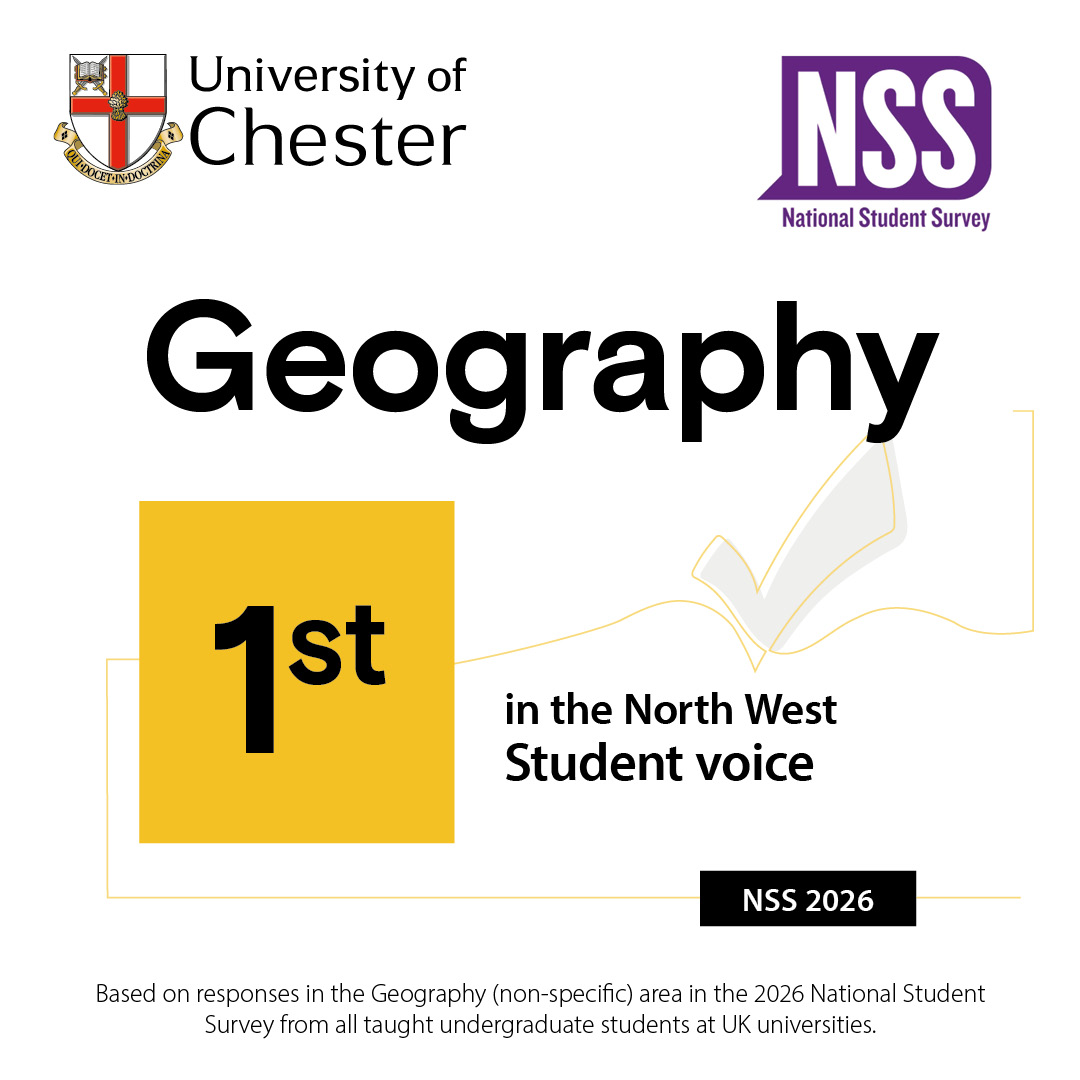
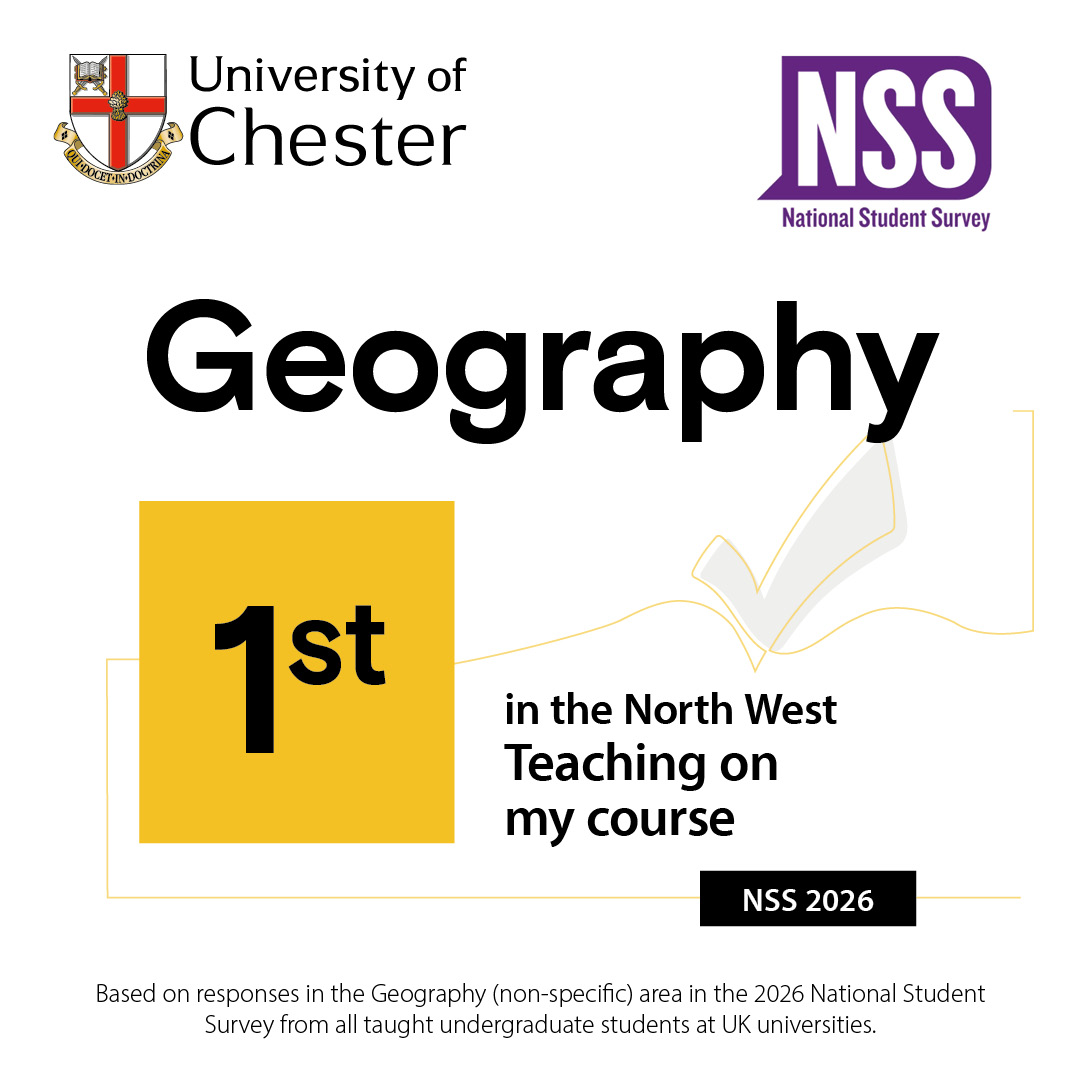
Our Geography degree, accredited by the Royal Geographical Society, equips you with the knowledge and skills to tackle pressing global challenges such as climate change, social inequality, and resource insecurity by offering a unique blend of hands-on learning, international experiences, and practical skills. Voted first in the North West for Learning Opportunities and Teaching on my Course (NSS 2025), our course provides the opportunity to explore and understand the issues and environments you care about.

Students studying Geography at Chester have the option to focus their studies by selecting a Human Geography or Physical Geography pathway, enabling subject specialism following Year 1. Alternatively, students can continue to study a combination of human and physical geography content throughout the three years of their course. This ultimate flexibility allows a tailored learning journey – you choose the modules or subject pathway best aligned with your career goals and personal interests. 

Our tutors, recognised for their teaching and research excellence, have wide ranging expertise ensuring a comprehensive, research-informed and engaging student-centred curriculum. Subjects covered currently include: sustainable development; refugees and migration; geopolitics; smart cities; climate and sea-level change; human impacts and environmental change; biogeography; coastal, fluvial, glacial and arid zone geomorphology; flooding and flood management; tectonic hazards; hazard preparedness and resilience; and disaster management.

Modules are designed in partnership with our students and the curriculum is continually updated and refined in consultation with our subject-specific industry advisory group, comprised of former students working in a range of sectors who advise on the specific skills and expertise currently required by graduate employers. This ensures you develop the appropriate knowledge, skills, expertise and confidence to help tackle the most pressing social and environmental issues and to excel in your chosen career. 

Wide-ranging employment-focused skills are embedded throughout the course (e.g., GIS and remote sensing, laboratory analytical methods, environmental assessment and monitoring, big data set analysis, critical thinking, project management), and we provide an invaluable opportunity for you to build relevant employment experience by working in an external organisation as a part of a full-time placement at the end of Year 2. Our graduating students gain professional employment in a wide range of industries, allowing them to apply their knowledge and skills to drive change on the issues that matter to them.

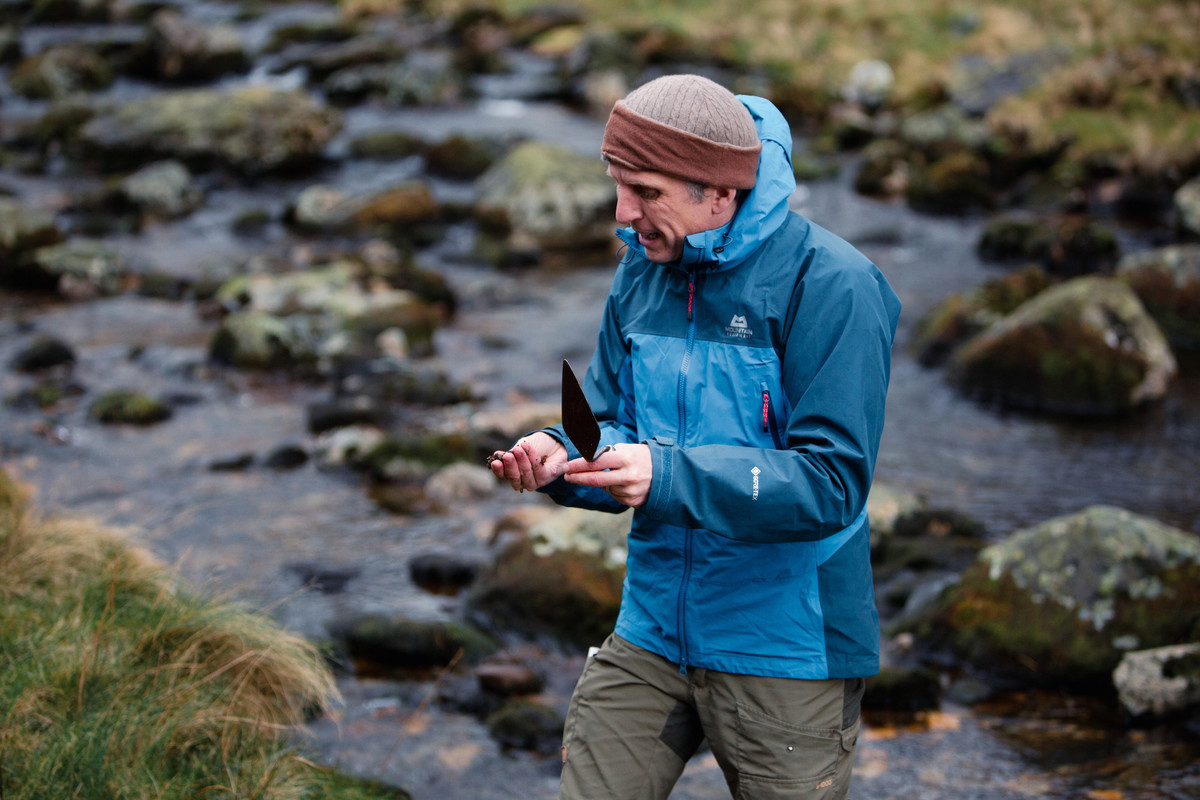
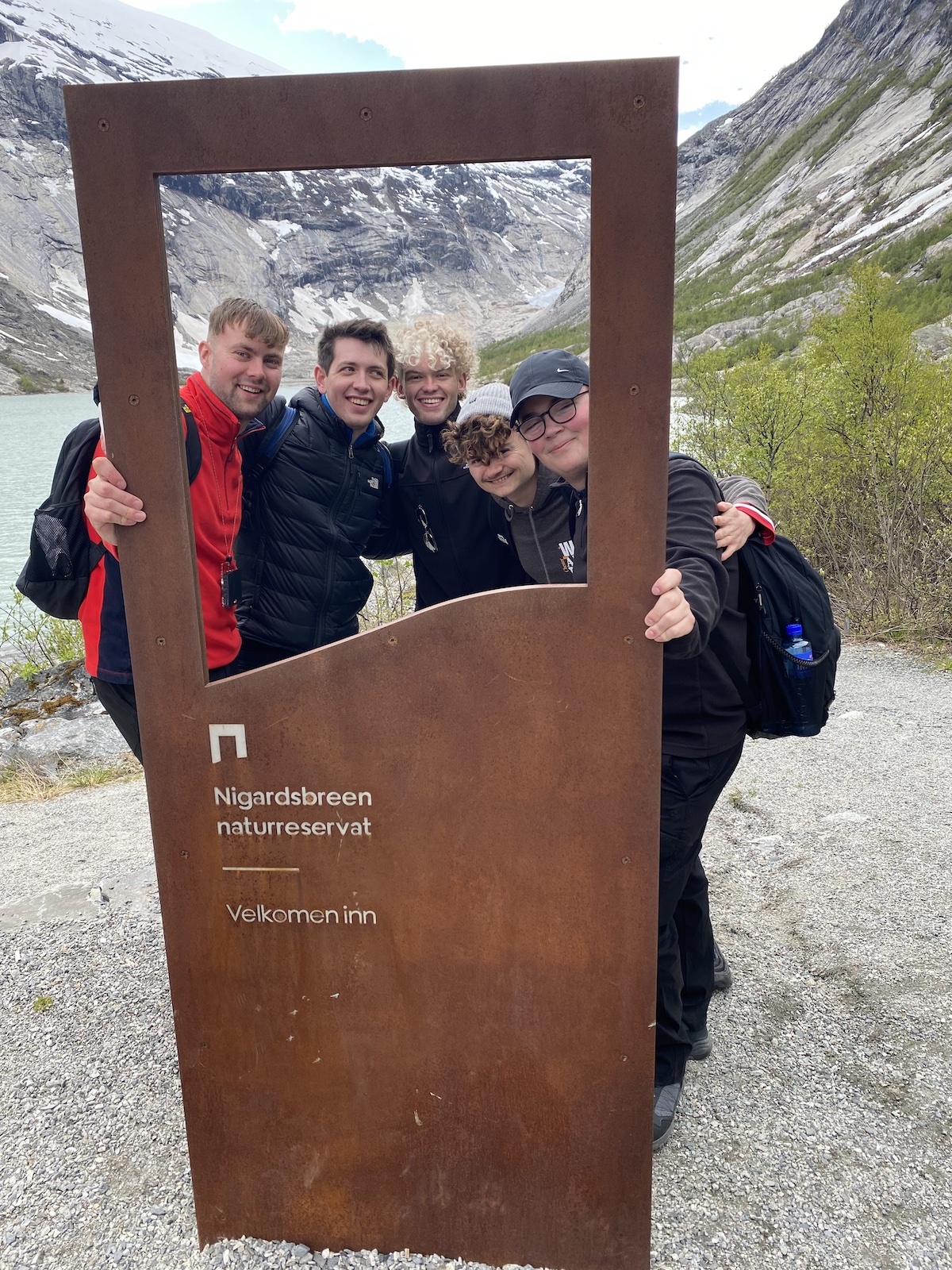
Chester has been voted the world's most beautiful city. Located on the banks of the River Dee, this ancient walled city with its vibrant nightlife, café culture, markets and shopping streets (including the unique 700-year-old 'Rows' galleries) contains Britain's largest Roman amphitheatre and stunning examples of Tudor, Georgian and Medieval architecture, such as the 1,000-year-old Chester Cathedral. Situated nearby are the rivers, lakes and mountains of the Eryri/Snowdonia National Park, the urban and industrial centres of Liverpool and Manchester, the forests and peatlands of Delamere, and the beaches, dunes, estuaries and saltmarshes along the Cheshire and North Wales coastline. This enables fieldwork to be embedded throughout the course, allowing you to explore key processes and issues first-hand. This is further supported by international fieldwork opportunities, currently in Spain (cultural and urban change; arid geomorphology), Italy (volcanic processes and hazards), and Norway (glacial processes, cold environments).

Accreditations

Royal Geographical Society with IBG Accredited Programme

Why You'll Love It

Optional Specialist Pathways

A specialist pathway is your opportunity to further tailor your studies to become an expert in your chosen field. Our pathways provide you with specific modules and opportunities to enable you to tailor your studies towards areas you are passionate about and to have that reflected in your degree title.

When applying for this course with a specialist pathway, it is important to search for and submit your application for 'Geography BA/BSc (Hons)'. Your chosen pathway will be confirmed post-application and this will be the award that you complete your studies with ie. Geography (Human Geography) BA (Hons) and Geography (Physical Geography) BSc (Hons). If you choose to study this course without a pathway, your award on completion will be Geography BA or BSc (Hons), depending on the modules studied. 

What You'll Study

In your Foundation Year, the Law, Humanities and Social Sciences course offers you an important preparation year as part of your four-year degree. You will explore people and societies and their beliefs, cultures, power structures, stories and narratives, as well as develop skills in critical inquiry around societal issues and global affairs with contemporary and historical perspectives.

  • Term 1: Introduction to Humanities and Social Sciences
  • Term 2: Global Issues, Cultures and Texts
  • Term 3: Applied Programming and Data Science

The information listed in this section is an overview of the academic content of the course that will take the form of either core or option modules and should be used as a guide. We review the content of our courses regularly, making changes where necessary to improve your experience and graduate prospects. If during a review process, course content is significantly changed, we will contact you to notify you of these changes if you receive an offer from us.

You may study a combination of human geography and physical geography modules throughout the three years of your course. Alternatively, you may choose to follow a specialist pathway in Year 2 and Year 3. Specialist pathways allow you to focus your studies on specific areas of the discipline and to become an expert in that area. The specialist pathway will be reflected in your degree title. Specialist pathways are available in:

  • Human Geography
  • Physical Geography

This flexibility allows a tailored learning journey - you choose the modules or subject pathway best aligned with your career goals and personal interests.

When applying for this course with a specialist pathway, it is important to search for and submit your application for 'Geography BA/BSc (Hons)'. Your chosen pathway will be confirmed post-application, and this will be the award that you complete your studies with i.e., Geography (Human Geography) BA (Hons) and Geography (Physical Geography) BSc(Hons). If you choose to study this course without a pathway, your award on completion will be Geography BA or BSc (Hons), depending on the modules studied.

In your first year of study, you will cover a wide range of geographical topics and begin to develop key skills in fieldwork, data collection and analysis. 

MODULES

  • Changing The World (20 Credits) Core
  • Global Hazards and Risk (20 Credits) Core
  • Earth and Environment (20 Credits) Core
  • People and Places (20 Credits) Core
  • Researching Environments (20 Credits) Core
  • Sustainable Development: Foundations for Sustainable Futures (20 Credits) Option
  • Language Option (20 Credits) Option

The information listed in this section is an overview of the academic content of the course that will take the form of either core or option modules and should be used as a guide. We review the content of our courses regularly, making changes where necessary to improve your experience and graduate prospects. If during a review process, course content is significantly changed, we will contact you to notify you of these changes if you receive an offer from us.

In your second year, you can choose to maintain a balance of modules in human geography and physical geography, or you can choose a pathway enabling you to focus on your specific interests. You will experience more complex learning in your second year, which integrates and applies geographical knowledge to different contexts culminating in the production of a proposal for an extended geographical project at Level 6 (Final Year).

MODULES

All routes

  • Geographical Research: Methods and Geomatics (40 Credits) Core
  • Experiential Learning (40 credits) Option
  • Work Placement (40 credits) Option

BA/BSc Geography (Option) and Human Geography Pathway (Core)

  • Society and Space (20 Credits)
  • Geopolitics (20 Credits)

BA/BSc Geography (Option) and Physical Geography Pathway (Core)

  • Environmental Change: Minutes to Millennia (20 Credits) Option
  • Dynamic Earth (20 Credits) Option

In between your second year (Level 5) and your final year (Level 6), you will spend a year studying abroad at one of our partner organisations, selecting a range of modules that complement your Geography course at Chester.  

The information listed in this section is an overview of the academic content of the course that will take the form of either core or option modules and should be used as a guide. We review the content of our courses regularly, making changes where necessary to improve your experience and graduate prospects. If during a review process, course content is significantly changed, we will contact you to notify you of these changes if you receive an offer from us.

At Level 6 (Final Year) you will tackle a large-scale independent project and apply practical geographical research skills through fieldwork with a focus on professional ethics and risk management. You will extend your geospatial data science skills alongside applying the knowledge acquired throughout your studies to develop your understanding of complex geographical issues. 

MODULES

All routes

  • Going Places: Dissertation (40 Credits) Core
  • Geospatial Data Science (20 Credits) Core
  • Exploring Places: Field Experience (20 Credits) Core

BA/BSc Geography (Option) and Physical Geography Pathway (Core)

  • Earth’s Climate: Trends and Tipping Points (20 Credits) 
  • Catchment to Coast (20 Credits) 

BA/BSc Geography (Option) and Human Geography Pathway (Core)

  • Excluded Peoples (20 Credits)
  • Sustainable Futures: From Theory to Action (20 Credits) Option

The information listed in this section is an overview of the academic content of the course that will take the form of either core or option modules and should be used as a guide. We review the content of our courses regularly, making changes where necessary to improve your experience and graduate prospects. If during a review process, course content is significantly changed, we will contact you to notify you of these changes if you receive an offer from us.

How You'll Learn

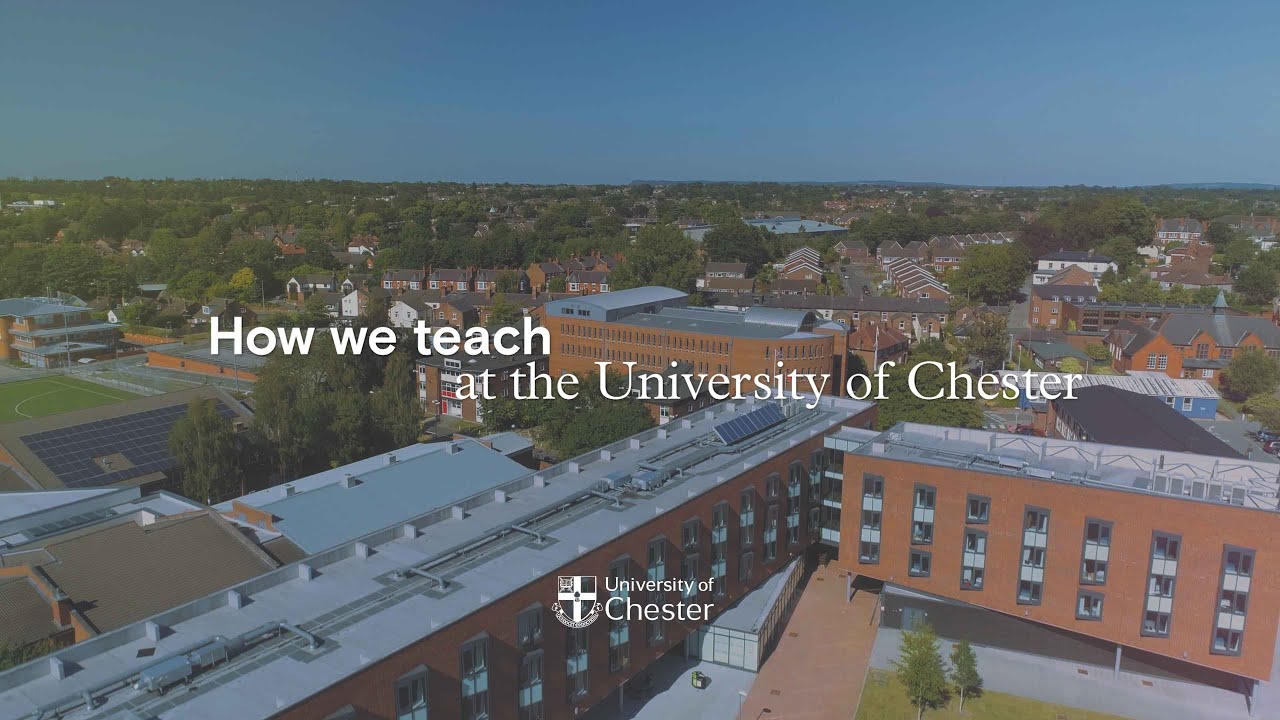
An aerial photograph of Exton Park with the text 'How we teach at the University of Chester'

How we teach at the University of Chester

The course comprises learning via a combination of the following: lectures, tutorials, fieldwork, laboratory work, computer practicals, workshops, simulations, and other forms of active learning, as well as through one-to-one work with tutors in the case of dissertations and individual project work. 

You can typically expect around 40 hours of contact hours per 20 credit module (around double this for 40 credit modules).  For some modules this is supplemented by asynchronous learning via pre-class tasks, e.g. watching a short pre-recorded video introducing key concepts for the week. 

Most modules require self-study of around 160 hours per 20 credit module.  Exceptions to this include the Work Placement (WP) and Experiential Learning (EL) modules at the end of Level 5 (Year 2).  The WP module, for example, is placement-based and therefore incorporates substantially more ‘contact’ time in the workplace.    

You will be provided with regular formative feedback to help support your learning throughout the course.  Clear summative feedback will be provided on all assessed work at the end of modules.  You will be guided in how to engage with and apply that feedback to enhance your performance in subsequent assessments.   

Modules are assessed via a range of coursework and practical assessment methods, many of which are designed to replicate forms of work common in the types of professions Geography graduates enter.  These include (but are not limited to): presentations, reports, project proposals, infographics, podcasts, essays, and debates.    

All teaching is delivered by experienced academics and practitioners, with the fundamental principles of the Chester Future Skills Curriculum at its core - building your subject competence, confidence, and key transferable skills to shape you into a world-ready Chester graduate.

Your Future Career

Job Prospects

The knowledge, skills and understanding you will gain during the course will allow you to pursue a wide range of careers. Our graduates work in professions across a range of sectors, including environmental management, consultancy, teaching, town planning, renewable energy, sustainability, flood risk management and surveying. Some of our graduates continue their studies and go on to gain PhDs, Master's degrees and professional qualifications. 

A degree in Geography BA/BSc (Hons) and associated specialist pathways, can open a range of careers in multiple industries. Some of our recent graduates are working in: 

Careers Service

The University has an award-winning Careers and Employability service which provides a variety of employability-enhancing experiences; through the curriculum, through employer contact, tailored group sessions, individual information, advice and guidance.

Careers and Employability aims to deliver a service which is inclusive, impartial, welcoming, informed and tailored to your personal goals and aspirations, to enable you to develop as an individual and contribute to the business and community in which you will live and work.

We are here to help you plan your future, make the most of your time at University and to enhance your employability. We provide access to part-time jobs, extra-curricular employability-enhancing workshops and offer practical one-to-one help with career planning, including help with CVs, applications and mock interviews. We also deliver group sessions on career planning within each course and we have a wide range of extensive information covering graduate jobs and postgraduate study.

What Our Students Think

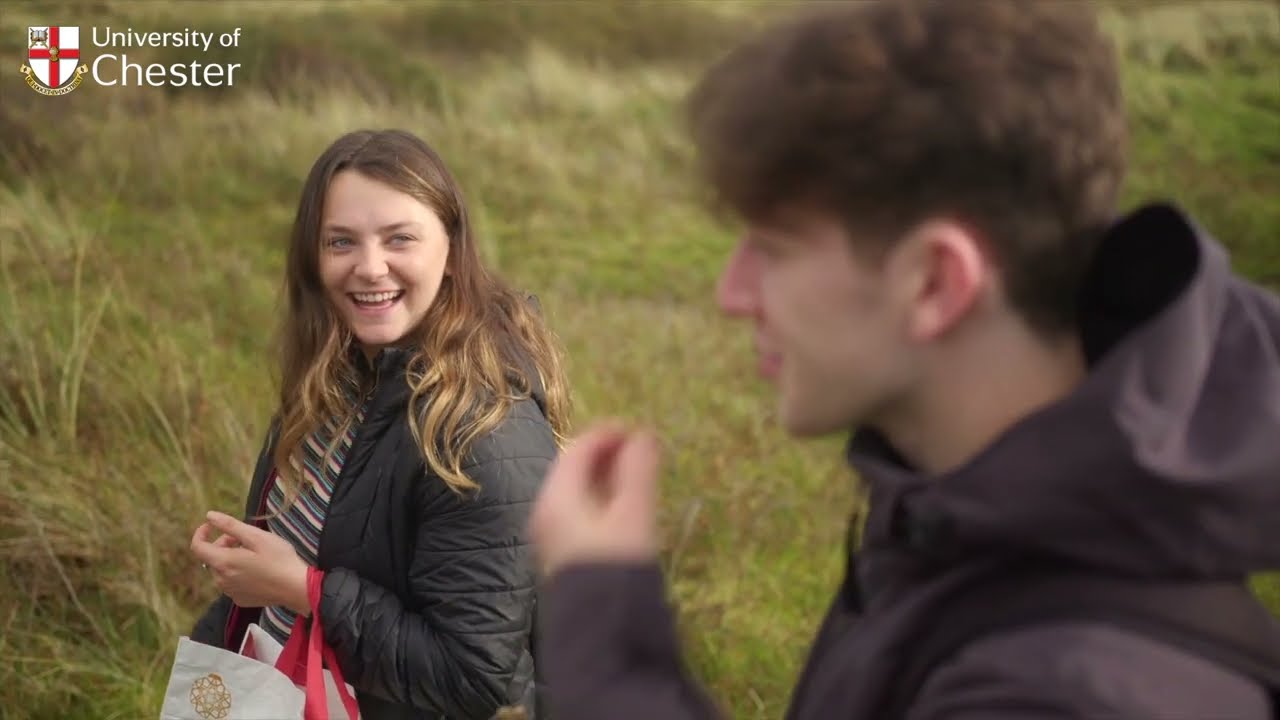
two students walking through a field

Become a Change Agent

Entry Requirements

112UCAS points

UCAS Tariff

112 points

GCE A Level

Typical offer – BCC-BBC

BTEC

BTEC Extended Diploma: DMM

International Baccalaureate

28 points

Irish / Scottish Highers

Irish Highers - H3 H3 H3 H3 H4

Scottish Highers - BBBB

Access requirements

Access to HE Diploma, to include 45 credits at level 3, of which 30 must be at Merit or above

T Level

Merit

OCR Cambridge Technicals

OCR Extended Diploma: DMM

Extra Information

Welsh Baccalaureate Advanced and A level General Studies will be recognised in our offer. We will also consider a combination of A Levels and BTECs/OCRs.

Students from countries outside the UK are expected to have entry qualifications roughly equivalent to UK A Level for undergraduate study and British Bachelor's degree (or equivalent) for postgraduate study. To help you to interpret these equivalents, please click on your country of residence to see the corresponding entry qualifications, along with information about your local representatives, events, information and contacts.

We accept a wide range of qualifications and consider all applications individually on merit. We may also consider appropriate work experience.

English Language Requirements

  • IELTS Academic: Undergraduate: 6.0 (minimum 5.5 in each band)
  • Postgraduate: 6.5 (minimum 5.5 in each band)

For more information on our entry requirements, please visit International Entry Requirements.

72UCAS points

UCAS Tariff

72 points

GCE A level

72 points overall, including grade D in A level

BTEC

BTEC Extended Diploma: MMP

International Baccalaureate

24 points

Irish / Scottish Highers

Irish Highers: H4 H4 H4 H4 H4

Scottish Highers: CCDD

Access requirements

Access to HE Diploma – Pass overall

T Level

T Level: Pass (D or E on the core)

OCR Cambridge Technicals

OCR Extended Diploma: MMP

Extra Information

Welsh Baccalaureate Advanced and A level General Studies will be recognised in our offer.  We will also consider a combination of A Levels and BTECs/OCRs.

If you are a mature student (21 or over) and have been out of education for a while or do not have experience or qualifications at Level 3 (equivalent to A Levels), then our Foundation Year courses will help you to develop the skills and knowledge you will need to succeed in your chosen degree. 

Fees and Funding

£9,790per year for a full-time course (2026/27)

Tuition fees for Home students for the academic year 2026/27 will be £9,790 for full-time students and £7,335 for part-time students (subject to Parliamentary approval). Fees for subsequent years may be subject to increase in line with the Government fee cap.

You can find more information about undergraduate fees on our Fees and Finance pages.

Students from the UK, Isle of Man, Guernsey, Jersey and the Republic of Ireland are treated as Home students for tuition fee purposes.

Students from countries in the European Economic Area and the EU will pay International Tuition Fees.

Students who have been granted Settled Status may be eligible for Home Fee Status and if eligible will be able to apply for Tuition Fee Loans and Maintenance Loans.

Students who have been granted Pre-settled Status may be eligible for Home Fee Status and if eligible will be able to apply for Tuition Fee Loans.

£14,950*per year for a full-time course (2026/27)

The tuition fees for international students studying Undergraduate programmes in 2026/27 are £14,950 per year for a full-time course. This fee is set for each year of study.

The University of Chester offers generous international and merit-based scholarships, providing a significant reduction to the published headline tuition fee. You will automatically be considered for these scholarships when your application is reviewed, and any award given will be stated on your offer letter.

For courses with a Foundation Year, the tuition fees for Year 1 are £11,250 and £14,950 for Years 2-4 in 2026/27.

For more information, go to our International Fees, Scholarship and Finance section.

Irish Nationals living in the UK or ROI are treated as Home students for Tuition Fee Purposes. 

Your course will involve additional costs not covered by your tuition fees. This may include books, printing, photocopying, educational stationery and related materials.

If you are living away from home during your time at university, you will need to cover costs such as accommodation, food, travel and bills. 

Students will require suitable clothing for fieldwork, including good quality waterproofs and walking boots. Depending on student demand and route, there is an opportunity to attend an international fieldtrip at Level 6. Current destinations are Barcelona (Spain), Almeria (Spain) and Naples (Italy). The cost of these field trips varies.  Students may be asked for a financial contribution towards international fieldwork costs.  Most recently contributions have been £200; this figure will increase annually to take account of inflation. These field trips are optional and students are not required to participate in order to successfully complete their course. 

Rebecca Collins - Learning for Social and Environmental Justice video still

Learning for Social and Environmental Justice

Who You'll Learn From

Dr Daniel Bos

Senior Lecturer
Dr Daniel Bos

Dr Katharine Welsh

Associate Professor
Dr Katharine Welsh

Dr Andrew Miles

Senior Lecturer
Dr Andrew Miles

Dr Namrata Bhattacharya-Mis

Associate Professor
Dr Namrata Bhattacharya-Mis

Dr Graham Wilson

Senior Lecturer
Dr Graham Wilson

Dr Philip Marren

Senior Lecturer
Blank profile picture placeholder

Dr Amanda Williams

Senior Lecturer in Physical Geography
Dr Amanda Williams

Enquire about a course