The Geography with Natural Hazard Management course provides you with the foundational knowledge and understanding of natural hazard processes and the dynamics between hazards, vulnerability, and risk critical to hazard management.

During this course, you will dive into how natural hazards operate, learn about the risks they pose to people and places, and how it can be managed. The course looks at both environmental and social dimensions of disasters at a range of scales from global to local. By understanding hazard processes, and learning how to assess their impacts, monitor changes and communicate effectively for crisis response, you will develop the knowledge and skills required to address the key hazard management challenges. You'll start applying your knowledge to real-world situations. You'll work on projects that connect what you've learned to current global challenges and begin planning your own research project. You'll go deeper into topics like resilience, adaptation, and how societies cope with disasters. You'll also study hazard management in both UK and international settings – perfect for building a career in disaster response or environmental planning.

The curriculum covers a wide range of topics, including hazard identification, risk assessment, disaster management strategies, and sustainable development practices. You will also learn how to use advanced technologies, including AI, and tools to analyse and enhance prediction, response and recovery efforts and ultimately minimise damage, as well as to communicate effectively with stakeholders and decision-makers in times of crisis.

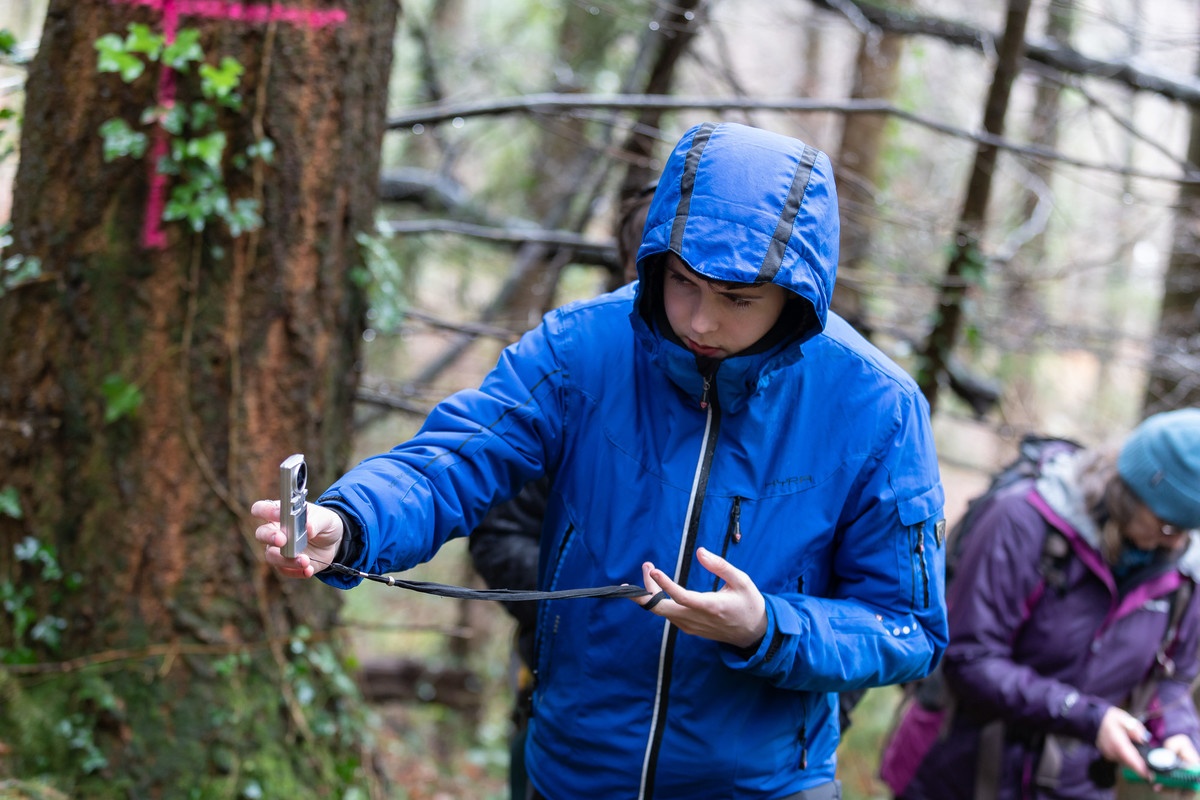
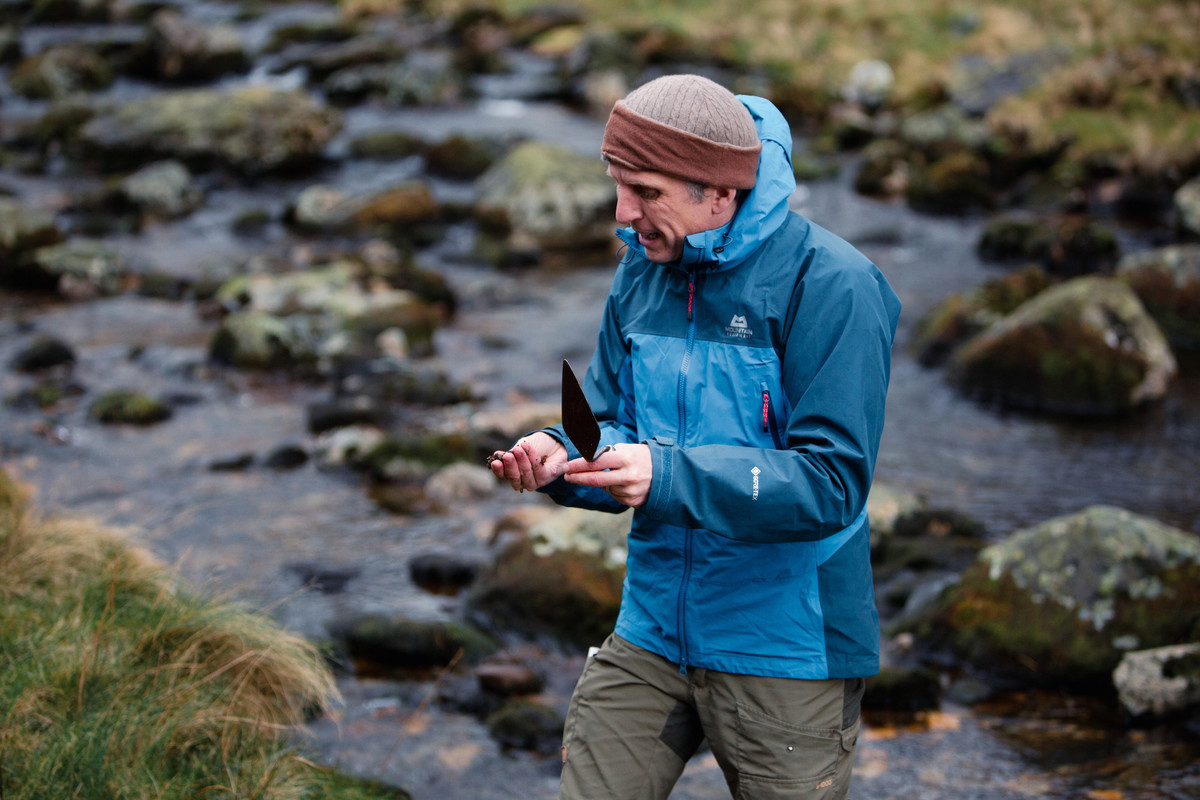
The course enhances the classroom learning experience with a variety of fieldworks such as along the coasts, lakes, rivers and mountains of North Wales (Eryri National Park – Snowdonia); the iconic landscapes of Peak District; and the urban and industrial centres nearby, to explore key hazard processes and connected human vulnerabilities in different settings first-hand. In addition to UK-based fieldwork, we also provide opportunities to an international field trip (currently to the Bay of Naples Vesuvius volcanic complex, to explore environmental and social dimensions of volcanic risk and approaches to hazard management and emergency planning).

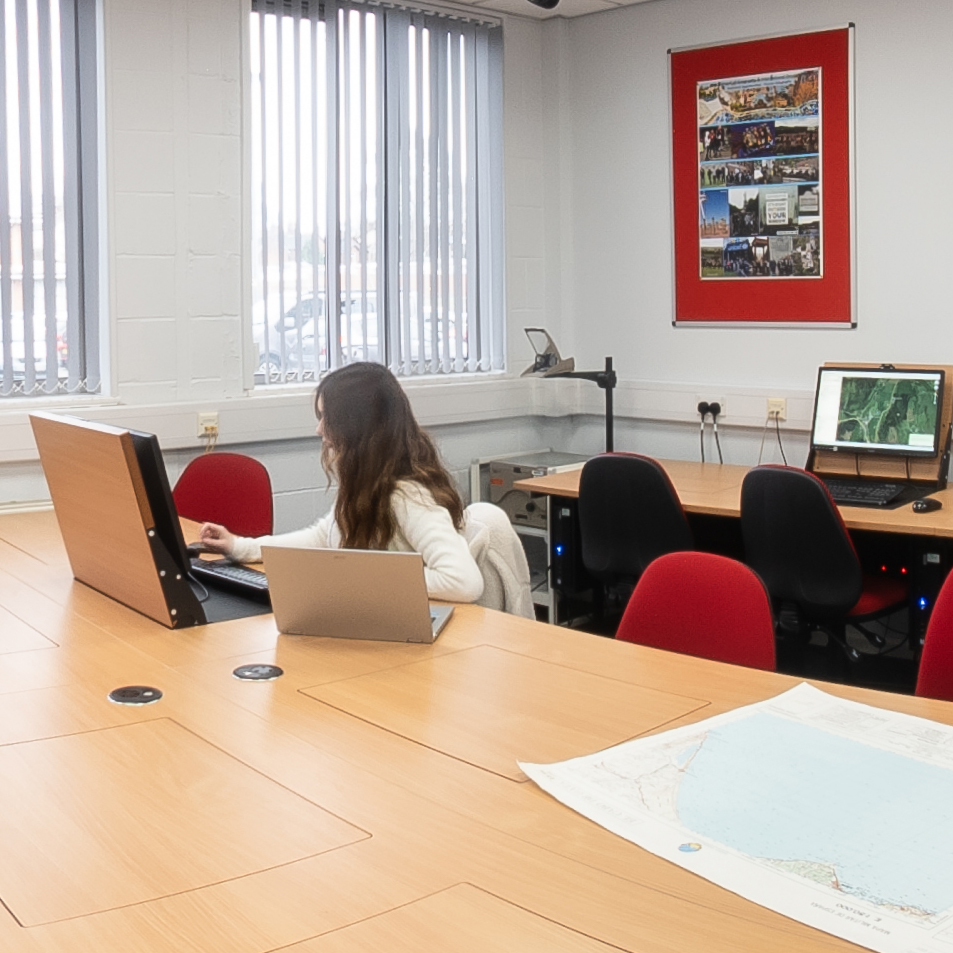
To ensure you will be equipped with the most up-to-date knowledge and skills, the course planning incorporates the integration of the latest technological advances in disaster management. This includes utilising geographic information systems (GIS); remote sensing techniques; statistics; and AI and computer modelling tools for hazard mapping, risk assessment, and emergency planning.

Upon completion of the Geography and Natural Hazard Management course, you will be well prepared for a career in disaster management agencies, environmental consultancy firms, non-governmental organisations, water management firms, geospatial firms and other relevant industries. You will also have the opportunity to pursue further studies at the postgraduate level in related fields such as geography, environmental science, disaster management, geology, or emergency management and more.

Along with understanding the criticalities of Natural Hazard Management, you will also have access to specific modules of our Geography degree, which is ranked in the top 20 in the UK for Geography (Guardian League Table 2025) and accredited by the Royal Geographical Society. The course equips you with the knowledge and skills to tackle pressing global challenges such as climate change, social inequality, and resource insecurity by offering a unique blend of hands-on learning, international experiences, and practical skills. Voted 1st for Learning Opportunities and Organisation and Management (NSS 2024), our Geography course provides the opportunity to explore and understand the issues and environments you care about.

Our Geography with Natural Hazard Management course also includes either a Year Abroad or Year in Industry. This will take place during the third year of study following completion of Year 2 (Level 5), with students returning to the University of Chester in their fourth year to complete Level 6. 


Why You'll Love It

Natural Hazard Management video screenshot

Natural Hazard Management

What You'll Study

In your first year of Natural Hazard Management Course (Level 4), you will learn about hazard processes, societal risks, vulnerabilities, and management strategies for a variety of hazards ranging at different scales along with several physical and human geography modules.

In your first year of study, you will cover a wide range of geographical topics and begin to develop key skills in fieldwork, data collection and analysis.

Core Modules

Changing the world for the better requires knowledge, skills, experience and confidence.  This module focuses on teaching you the academic skills to acquire and communicate that knowledge and experience.  Core to this module is a week-long intensive ‘change lab’ during which you will research a Chester-based sustainability ‘problem’, with the aim of proposing implementable solutions.

This module introduces themes in global hazards and risk to develop understanding of the relationship between hazard, risk, vulnerability, and resilience in extremely destructive, and complex, disaster situations. The module follows the core principles of disaster risk management such as the disaster management cycle and engages students in activities which brings words to action live in their learning journey.

‘Earth and Environment’ introduces a range of key processes occurring within the natural environment, using an Earth systems approach. You will explore how these systems are influenced by natural- and human- induced environmental changes, and linkages between major components of the Earth System are examined in the context of contemporary climate change.

‘People and Places’ introduces you to critical concepts and issues of interest to human geographers and explores different ways people’s relationships to places can be understood. Throughout the module, you will use various evidence forms to consider multi-scalar relationships, including local examples of global phenomena, through issues such as social exclusion, urbanisation, nationalism, and globalisation.

This module introduces key research skills through application to selected geographical areas. Integrating core skills into field-based research, the module incorporates: project design; primary data collection techniques; ethical review and risk assessment; quantitative and/or qualitative data analysis (depending on the project chosen); laboratory methods; team-work and communication skills. 

Optional Modules

This module explores the complex and often contested definitions of sustainability, development, and sustainable development, exploring how these concepts are understood and applied in diverse contexts. It addresses some of the most urgent global challenges and risks associated with sustainable development, encouraging students to consider how these issues impact societies worldwide.

Optional Language Modules

This module enables students with A-Level German or equivalent to further develop their grammar, vocabulary and expression and apply these to real world situations.You will work with written and recorded texts on a range of cultural, personal and social topics and will develop your oral and written communication skills at Post-A level.

This module is designed for students that have completed A-Level or equivalent in French. You will further develop your grammar, vocabulary and expression and apply these to real world situations. You will work with written and recorded texts on a range of cultural, personal and social topics and will develop your oral and written communication skills at Post-A level.

This module is designed for students that have completed a A-Level or equivalent in Spanish. You will further develop your grammar, vocabulary and expression and apply these to real world situations. You will work with written and recorded texts on a range of cultural, personal and social topics and will develop oral and written communication skills at Post-A level.

This module is designed for students who have completed GCSE in Chinese or equivalent. You will further develop your grammar, vocabulary and learning conventions for spelling and pronunciation. You will work with written and recorded texts on a range of cultural, personal and social topics and will develop oral and written communication skills at an intermediate level.

This module is designed for students who have completed GCSE or equivalent in French. You will further develop your grammar, vocabulary and learning conventions for spelling and pronunciation. You will work with written and recorded texts on a range of cultural, personal and social topics and will develop oral and written communication skills at an intermediate level.

This module is designed for students that have completed GCSE or equivalent in Spanish. You will further develop your grammar, vocabulary and learning conventions for spelling and pronunciation. You will work with written and recorded texts on a range of cultural, personal and social topics and will develop oral and written communication skills at an intermediate level.

This module provides the opportunity to study a new language from scratch and introduces you to basic grammar, vocabulary and cultural contexts. You will apply the language to practical situations using both oral and written skills. 

The information listed in this section is an overview of the academic content of the course that will take the form of either core or option modules and should be used as a guide. We review the content of our courses regularly, making changes where necessary to improve your experience and graduate prospects. If during a review process, course content is significantly changed, we will contact you to notify you of these changes if you receive an offer from us.

In Year 2 (Level 5), you will experience more complex learning that integrates and applies geographical knowledge to different disaster contexts, culminating in the production of a proposal for an extended geographical project/dissertation at Level 6. You will develop advanced skills in hazard analysis and community resilience. Core modules introduce spatial data techniques and research design, geological processes and hazard formation; and in-depth concept of resilience, which explores strategies for reducing vulnerability and enhancing disaster preparedness. An optional module, Geographical Experiential Learning, offers hands-on fieldwork and real-world applications, deepening understanding through immersive experiences. Together, these modules prepare students to critically assess natural hazards and contribute to sustainable risk management.

Core Modules

This module introduces key concepts of geomorphology and hazard processes and examines spatial and temporal variability in Earth processes and landforms.  You will explore selected themes in physical geography, such as glacial, fluvial, coastal and volcanic environments, developing an understanding of Earth surface processes, resulting landforms and associated hazards. You’ll develop critical insight into the nature and causes of change within these environments, in particular the impacts of natural hazards, climate change and human activity.

This module focuses on a holistic approach to building resilient communities, exploring both physical and social factors that may influence them. Taking a global to local approach, you will explore a range of key elements which can support effective community resilience. You’ll learn by applying your knowledge and understanding of global hazards to a local UK hazard (e.g. flooding) and will have the opportunity to engage with local stakeholders to better understand 'real world' experiences of resilient communities.

This module provides you with a thorough grounding in geographical research theory and methods, and teaches core principles of research design. Social research methods covered include: quantitative surveys; qualitative interviews, focus groups and observational methods. Physical research methods cover: physical experiments, quantitative field surveying and sampling techniques and statistical analysis methods. All students complete research training in GIS, and apply the sum total of their learning to an assessed research project proposal.

Optional Modules

In this module you have the opportunity to develop your skills in independent project management, research and analysis, and professional (spoken and written) communication.  You will work at the intersection of academic research and applied practice by conducting research and/or public engagement work in collaboration with academic staff and external partners.  You will be able to select from projects aligned with their interests in human geography, physical geography or natural hazard management. 

This module provides a structured, university-level work placement for 4, 5 or 7 weeks as one continuous block / period with a placement provider (i.e. a local employer from the private, public, or charitable sector). It is designed to enhance your professional skills in a real-world job setting.

The placement can either be organised by you or with support from university staff.

All work placements within this module must be university-level; this means:

  • Undertaking high-skilled work commensurate with level 5 study (e.g. report writing, attending meetings, delivering presentations, producing spreadsheets, writing content on webpages, social media, marketing services/products etc)
  • Physically placed (albeit part of it can be hybrid) within an employer setting in one continuous block / period for 4, 5 or 7 weeks for a minimum of 140-147 hours over the course of the entire work placement
  • Where applicable, your existing part-time employer can be approached/used as the placement provider, if the high-skilled work criterion above is fulfilled for the full duration of the placement.
  • All quality assurances/agreements provided by the University are adhered to, by you and the employer.

The work placement context may not necessarily, reflect your degree discipline per se, but rather, it will give you an enriched experience to enhance your professional skills in a real-world job setting.

Optional Language Modules

The module will provide the opportunity to further develop your language skills, building on your previous learning at advanced level. The second half of the module includes a placement abroad or, alternatively, a project on a sustainability issue in a target language country. The first half of the module will prepare you for placements abroad where appropriate as well as a deeper understanding of sustainability in target language contexts. Students of more than one language may take one language in the first half of the module and spend their time abroad developing a different language. 

The module will provide the opportunity to further develop your language skills, building on your previous learning at intermediate level. The first half of the module includes intensive taught sessions in interactive workshop mode which will prepare you for placements abroad or self-directed language development. The second half of the module includes an placement abroad or, alternatively, a project on a business or tourism issue in a target language country. Students of more than one language may take one language in the first half of the module and spend their time abroad developing a different language. 

The module will provide the opportunity to further develop your language skills, building on your previous learning at beginner level. The first half of the module includes intensive taught sessions in interactive workshop mode which will prepare you for placements abroad or self-directed language development. The second half of the module includes a placement abroad or, alternatively, a project on a cultural issue in a target language country. Students of more than one language may take one language in the first half of the module and spend their time abroad developing a different language. 

  • The multiple facets of global citizenship
  • Ethical engagement and practice
  • The United Nations Sustainable Development Goals
  • Cross-cultural issues and sensitivity
  • Intercultural communication
  • Culture shock
  • Cultural adjustment
  • Self- assessment of needs: identification of the range of transferable skills, competencies and attitudes employees need and employers expect graduates to possess-with a strong focus on understanding the intercultural competencies (ICC) needed to live and work abroad.
  • Critical analysis/evaluation of individual requirements in relation to culture/cultural adjustment/culture shock/visas/medical.
  • Critical analysis/evaluation of skills already acquired in relation to key skills related to ICC.
  • Devising strategies to improve one’s own prospects of working abroad in the future.
  • Devising an action plan to address gaps in transferable skills based on organisational analysis and sector opportunities.

Part A:      

Preparation for Experiential Overseas Learning will take place at the University of Chester during level 5 and will include:  

  • The multiple facets of Global citizenship
  • Ethical engagement and practice
  • Cross-cultural issues and sensitivity
  • Intercultural communication

Theories, models and strategies of learning

  • Theories and models Intercultural competence
  • Theories and models of Integration and Multiculturalism
  • Critical thinking skills and models of Reflection
  • Experiential learning models
  • Self-directed experiential learning

Personal and placement-related skills

  • Enhanced independence
  • Improved command of multicultural behaviour
  • Increased knowledge and confidence in their individual facets of personal identity
  • Effective time management and organisational skills
  • Project management – working away from University and independent study
  • Self-management and personal development
  • Team building and team work

Part B:            Overseas

Students will engage in experiential learning activities overseas for at least 150 hours 

Optional Placement Year

The year-long experiential content is freely structured and determined by negotiation between the student, UoC placement supervisor and host organisation placement supervisor. It is informed by the module’s overarching aims and module competencies and by the objective of optimising added value for both the host organisation and the student experience (including graduate outcomes). 

A mid-placement workshop, usually held in Chester in February, will enable peer to peer sharing of experiential learning feedback and allow an analysis of the range of skills and benefits derived from the placement.  The workshop will also support students’ development of their learning portfolio, and provide an opportunity to access an overview of final year module options ahead of L6 module selection.  In-person and online participation in the mid-placement workshop will be enabled.

All students will engage in the drawing up of a learning agreement on acceptance of the placement that will cover a contact plan and agreed learning outcomes with their designated academic tutor and placement supervisor.

Optional International Placement Year

Preparation for the year abroad will take place in Chester during level 5 and will include:

  • Cross-cultural issues and sensitivity
  • Host-country orientation, study methods– economic, political and social reality of the country
  • Orientation specific to exchange – health, education, gender issues
  • The United Nations Sustainable Development Goals
  • Practical matters relating to living and studying in the wider world

Theories, models and strategies of learning

  • Critical thinking skills, experiential learning and models of reflection

Personal and placement-related transversal skills

  • Effective self-motivation and independent resourcefulness
  • Effective time management and organisational skills
  • Project management – working away from University and independent study
  • Self-management and personal development

Whilst abroad:

You will undertake study at one of the University of Chester's partner universities or undertake and approved work placement or virtual placement. If you are a student,  it is expected that you will choose a series of modules at the university abroad which must be agreed by the host institution and the Module Leader. you must supply details of you modules on a learning agreement within 4 weeks of arrival at the host university.

The information listed in this section is an overview of the academic content of the course that will take the form of either core or option modules and should be used as a guide. We review the content of our courses regularly, making changes where necessary to improve your experience and graduate prospects. If during a review process, course content is significantly changed, we will contact you to notify you of these changes if you receive an offer from us.

In Level 6 (Year 3), you will further deepen your understanding of the 'risk society', resilience, adaptation and coping mechanisms knowledge of key hazard processes and management strategies in both UK and international contexts. You will also tackle a large-scale independent project and apply practical geographical research skills and knowledge of disaster science through fieldwork with a focus on professional ethics and risk management. You will extend your geospatial data science skills alongside applying the knowledge acquired throughout your studies to develop your understanding of complex geographical and disaster risk reduction issues.

Core Modules

The dissertation module facilitates the execution of a piece of independent research and the production of a research thesis. In this module you are supported throughout by your dissertation supervisor, alongside a range of lectures and activities on key aspects of research, including: health, safety and ethics in research; identifying and formulating research aims and objectives; searching for relevant literature and writing the literature review; creating a rationale for the research; primary and secondary data collection techniques; mapping; statistical analysis; writing and presenting the dissertation report.

This module provides you with the opportunity to conduct primary field research to extend their skills in project design and management, team-work, data collection and analysis. You will work on projects and in field locations suited to your chosen course/pathway, enabling you to pursue your individual interests.  Overseas residential and UK-based non-residential options are available.

Geospatial Data Science develops advanced skills for handling, analysing and visualising geospatial data including the use of geographical information systems, remotely sensed data, scripting and programming and an understanding of data quality issues and metadata. It builds upon skills developed during the ‘Geographical Research: Methods and Geomatics’ module at Level 5 and provides skills highly sought after by employers.

Hazards in a Warming World explores the extent to which climate change is exacerbating natural hazards such as drought, wildfire, sea level rise and glacial outburst. There is a focus on inclusive disaster risk management and consideration given to how to work and communicate effectively with communities who are marginalised or less frequently exposed to these hazards. The authentic assessments, a science communication presentation and a briefing paper to the United Nations Disaster Risk Reduction Committee, offer an opportunity to communicate with different audiences.

This module provides you with the opportunity to deepen your understanding of the management of river and coastal landscapes. It will examine the complexities of managing natural environments from a scientific and stakeholder-based perspective. The content will include river and coastal flood and erosion management (including natural flood management) in conjunction with the challenges of managing water bodies for the benefit of multiple users (water resources, flood management, and the natural environment). The content of this module is both highly topical and relevant to a wide range of careers in the water and environmental management industry.

The information listed in this section is an overview of the academic content of the course that will take the form of either core or option modules and should be used as a guide. We review the content of our courses regularly, making changes where necessary to improve your experience and graduate prospects. If during a review process, course content is significantly changed, we will contact you to notify you of these changes if you receive an offer from us.

How You'll Learn

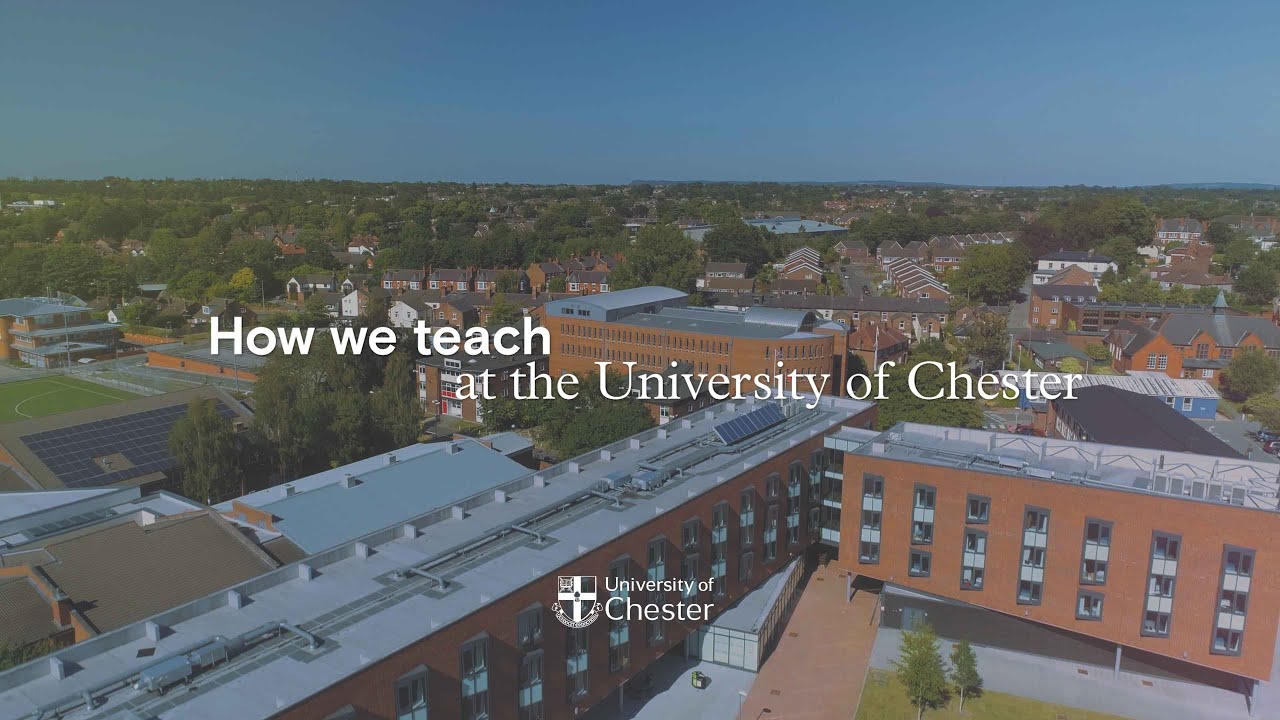
An aerial photograph of Exton Park with the text 'How we teach at the University of Chester'

How we teach at the University of Chester

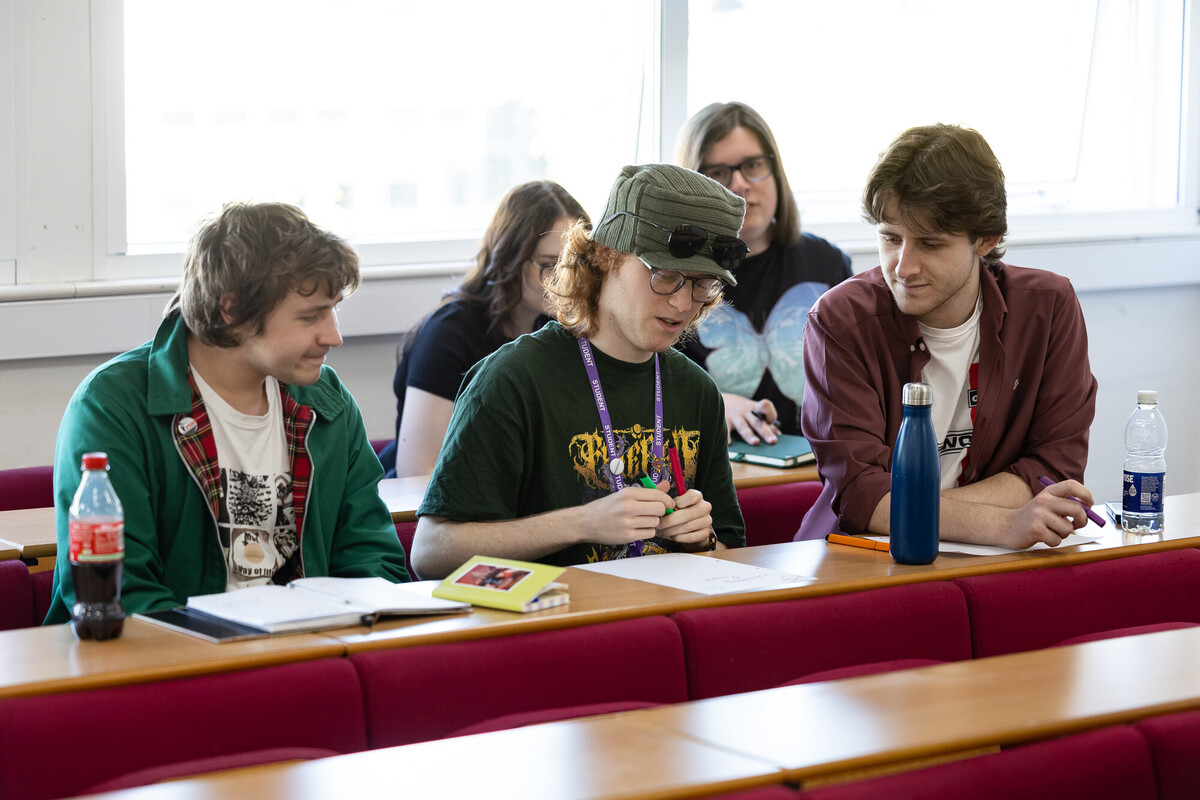
The course comprises learning via a combination of the following: lectures, tutorials, fieldwork, laboratory work, computer practicals, workshops, simulations, and other forms of active learning, as well as through one-to-one work with tutors in the case of dissertations and individual project work.

You can typically expect around 40 hours of contact hours per 20-credit module (around double this for 40-credit modules). For some modules this is supplemented by asynchronous learning via pre-class tasks, e.g. watching a short pre-recorded video introducing key concepts for the week.

Most modules require self-study of around 160 hours per 20-credit module.  Exceptions to this include the Work Placement (WP) and Experiential Learning (EL) modules at the end of Year 2 (Level 5). The WP module, for example, is placement-based and therefore incorporates substantially more 'contact' time in the workplace.

You will be provided with regular formative feedback to help support your learning throughout the course. Clear summative feedback will be provided on all assessed work at the end of modules. You will be guided in how to engage with and apply that feedback to enhance your performance in subsequent assessments.   

Modules are assessed via a range of coursework and practical assessment methods, many of which are designed to replicate forms of work common in the types of professions Geography graduates enter. These include (but are not limited to): presentations, reports, project proposals, infographics, podcasts, essays, and debates.    

All teaching is delivered by experienced academics and practitioners, with the fundamental principles of the Chester Future Skills Curriculum at its core – building your subject competence, confidence, and key transferable skills to shape you into a world-ready Chester graduate.

Your Future Career

Job Prospects

The knowledge, skills and understanding you will gain during the course will allow you to pursue a wide range of careers. Our graduates work in professions across a range of sectors, including environmental management, consultancy, teaching, town planning, renewable energy, sustainability, flood risk management and surveying. Some of our graduates continue their studies and go on to gain PhDs, Master's degrees and professional qualifications. 

A degree in Geography BA/BSc (Hons) and associated specialist pathways can open a range of careers in multiple industries. Some of our recent graduates are working in: 

Careers Service

The University has an award-winning Careers and Employability service which provides a variety of employability-enhancing experiences; through the curriculum, through employer contact, tailored group sessions, individual information, advice and guidance.

Careers and Employability aims to deliver a service which is inclusive, impartial, welcoming, informed and tailored to your personal goals and aspirations, to enable you to develop as an individual and contribute to the business and community in which you will live and work.

We are here to help you plan your future, make the most of your time at University and to enhance your employability. We provide access to part-time jobs, extracurricular employability-enhancing workshops and offer practical one-to-one help with career planning, including help with CVs, applications and mock interviews. We also deliver group sessions on career planning within each course and we have a wide range of extensive information covering graduate jobs and postgraduate study.

What Our Students Think

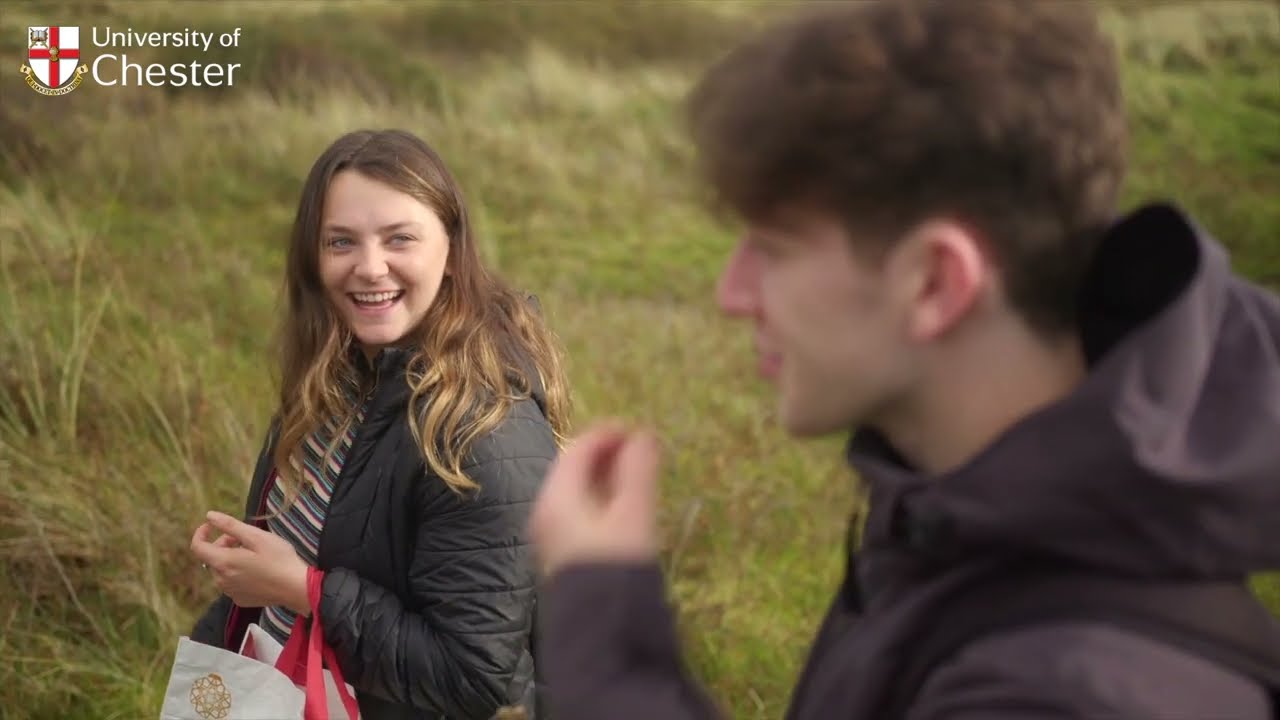
two students walking through a field

Become a Change Agent

Entry Requirements

112 UCAS points

UCAS Points

112

GCE A Level

Typical offer – BCC-BBC

BTEC

DMM

International Baccalaureate

28 points

Irish/Scottish Highers

H3 H3 H3 H3 H4

Scottish Highers - BBBB

Access requirements

Access to HE Diploma, to include 45 credits at level 3, of which 30 must be at Merit or above

T Level

Merit

OCR Cambridge Technicals

DMM

Extra Requirements

Welsh Baccalaureate Advanced and A level General Studies will be recognised in our offer. We will also consider a combination of A Levels and BTECs/OCRs.

English Language Requirements

IELTS

6.0 (minimum 5.5 in each band)

Fees and Funding

£9,790 per year for a full-time course (2026/27)

The full-time tuition fees for Home students entering in 2026/27 are £9,790 a year, or £1,590 per 20-credit module for part-time study.

£14,950 per year for a full-time course* (2026/27)

The tuition fees for international students studying programmes in 2026/27 are £14,950 per year for a full-time course. This fee is set for each year of study.

For courses with a Foundation Year, the tuition fees for Year 1 are £11,250 and £14,950 for Years 2-4 in 2026/27.

Your course will involve additional costs not covered by your tuition fees. This may include books, printing, photocopying, educational stationery and related materials, specialist clothing, travel to placements, optional field trips and software. Compulsory field trips are covered by your tuition fees. 

If you are living away from home during your time at university, you will need to cover costs such as accommodation, food, travel and bills.

Students will require suitable clothing for fieldwork, including good quality waterproofs and walking boots. Depending on student demand and route, there is an opportunity to attend an international fieldtrip at Level 6. Current destinations are Barcelona (Spain), Almeria (Spain) and Naples (Italy). The cost of these field trips varies.  Students may be asked for a financial contribution towards international fieldwork costs.  Most recently contributions have been £200; this figure will increase annually to take account of inflation. These field trips are optional and students are not required to participate in order to successfully complete their course. 

Who You'll Learn From

Dr Namrata Bhattacharya-Mis

Associate Professor
Dr Namrata Bhattacharya-Mis

Dr Katharine Welsh

Associate Professor
Dr Katharine Welsh

Dr Andrew Miles

Senior Lecturer
Dr Andrew Miles

Dr Philip Marren

Senior Lecturer
Blank profile picture placeholder

Dr Amanda Williams

Senior Lecturer in Physical Geography
Dr Amanda Williams

Dr Daniel Bos

Senior Lecturer
Dr Daniel Bos

Dr Graham Wilson

Senior Lecturer
Dr Graham Wilson
Rebecca Collins - Learning for Social and Environmental Justice video still

Learning for Social and Environmental Justice

Enquire about a course