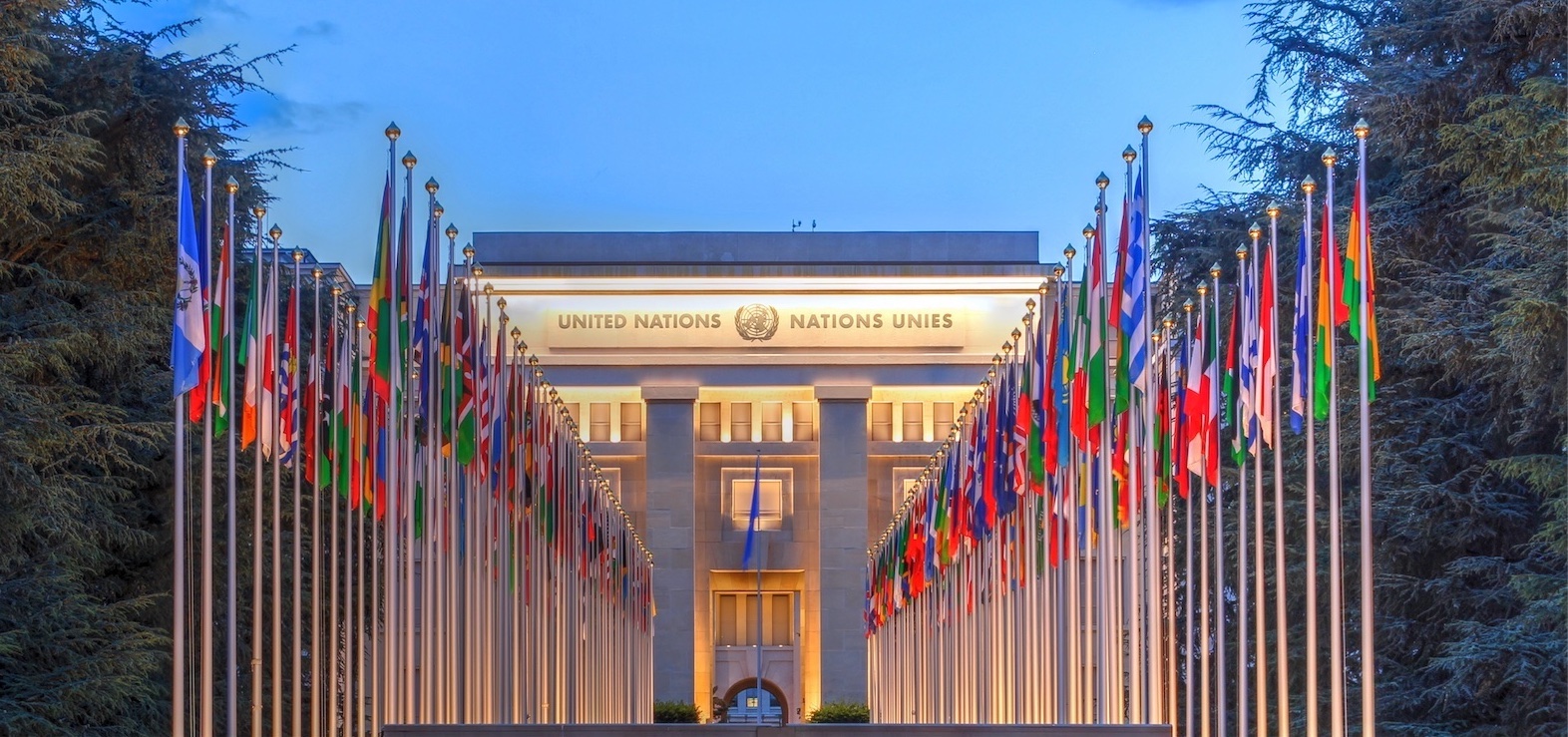
Following the seventeen sustainable development goals initiated by the United Nations in 2015, this module embedded the social, economic and environmental challenges we encounter in the next century to examine the intersection of crisis management, humanitarian action, and economic strategies for resilience and recovery. Students will explore critical themes, including disaster response, the role of humanitarian organizations, and the socio-economic challenges of recovery. It delves into how societies and international systems respond to disasters, both natural and man-made, and how these responses influence long-term recovery, peace, and economic stability. The module emphasizes the importance of sustainable and equitable recovery practices and encourages students to evaluate various international approaches to managing crises.
In this module, students will develop a deep understanding of the political, economic, and environmental factors that contribute to disasters and crisis, as well as analyse the short-term and long-term impacts of these crises on societies and global stability. They will critically assess the principles, roles, and ethical challenges involved in humanitarian responses, using real-world cases to explore the complexities and dilemmas inherent in delivering aid across diverse crisis situations.
Additionally, students will examine economic theories and development practices that promote sustainable recovery and resilience, with a particular focus on reconstruction strategies that address underlying social and economic vulnerabilities. By integrating theoretical frameworks with practical case studies, students will develop the skills needed to propose effective solutions for real-world crises, addressing both immediate humanitarian needs and the challenges of long-term resilience to crisis and economic development.
Key Themes and Topics
- Understanding Crisis and Disasters
Definition and types of crises: natural disasters, economic collapses, pandemics, and political instability
Root causes and contributing factors, including climate change, inequality, governance, and resource scarcity
The immediate and long-term impacts of crises on societies, economies, and international relations
2. Humanitarian Response and Ethics
The principles of humanitarian action: neutrality, impartiality, and independence
The role of humanitarian organisations, NGOs, and international bodies in crisis response
Ethical dilemmas in humanitarian aid: intervention vs. sovereignty, short-term relief vs. long-term development
3. Peace Economics and Post-Crisis Recovery
Economic theories and models for sustainable recovery
Reconstruction and development: rebuilding infrastructure, restoring economies
Case studies on successful and unsuccessful recovery efforts, examining factors that contribute to resilience
4. Global Challenges and Emerging Issues in Crisis Management
The role of technology, social media, and big data in disaster response and recovery
Cross-border challenges
Climate adaptation and resilience planning in vulnerable regions
5. Big data and analysis
Use of data sets to understand resilience, disaster responses, and policy interventions to mitigate the negative impacts of the climate and disaster to the sustainable development
6. Amartya Sen and his model
Amartya Sen's model of development, known as the capability approach, focuses on the freedom of individuals to lead the lives they value. Sen believed that development should be measured by the extent to which it increases human capabilities, rather than by economic growth or technical progress.