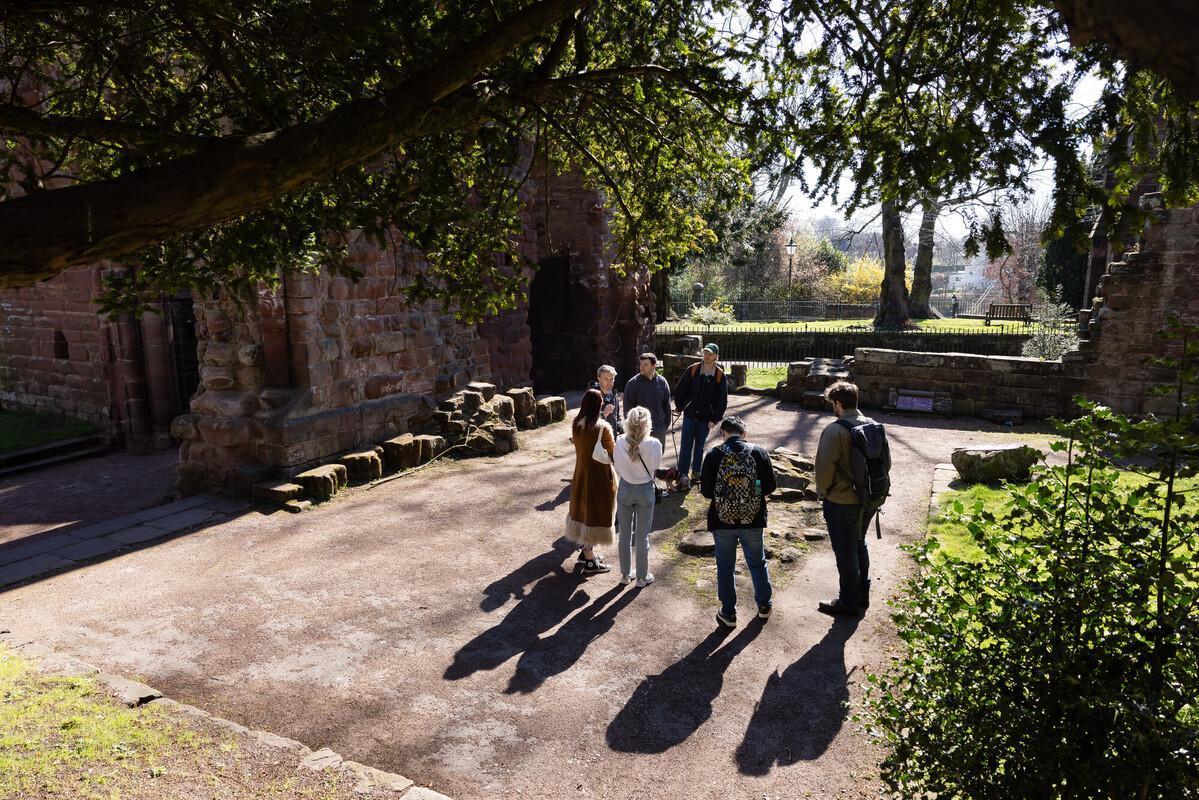
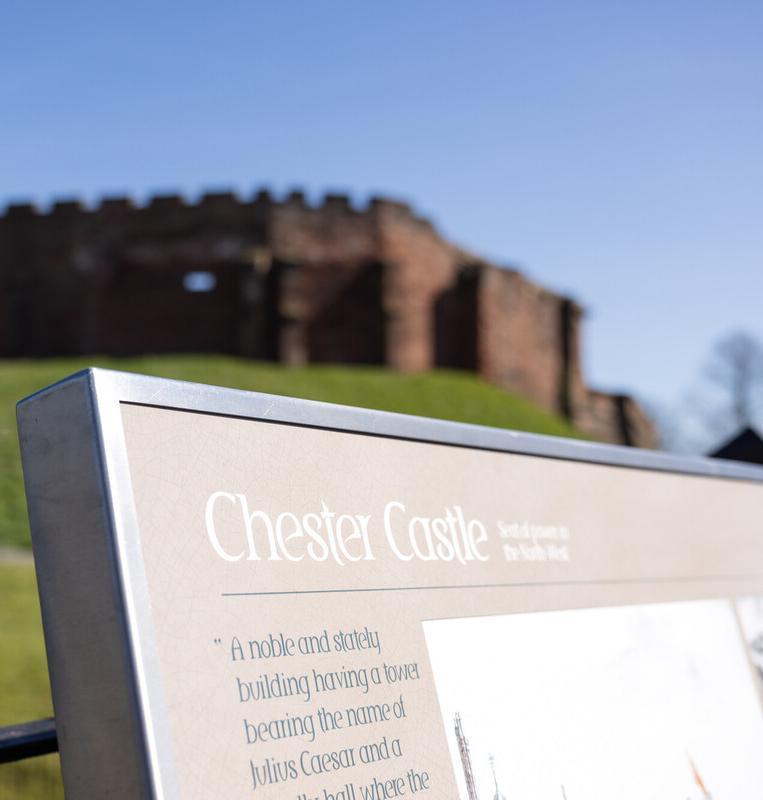
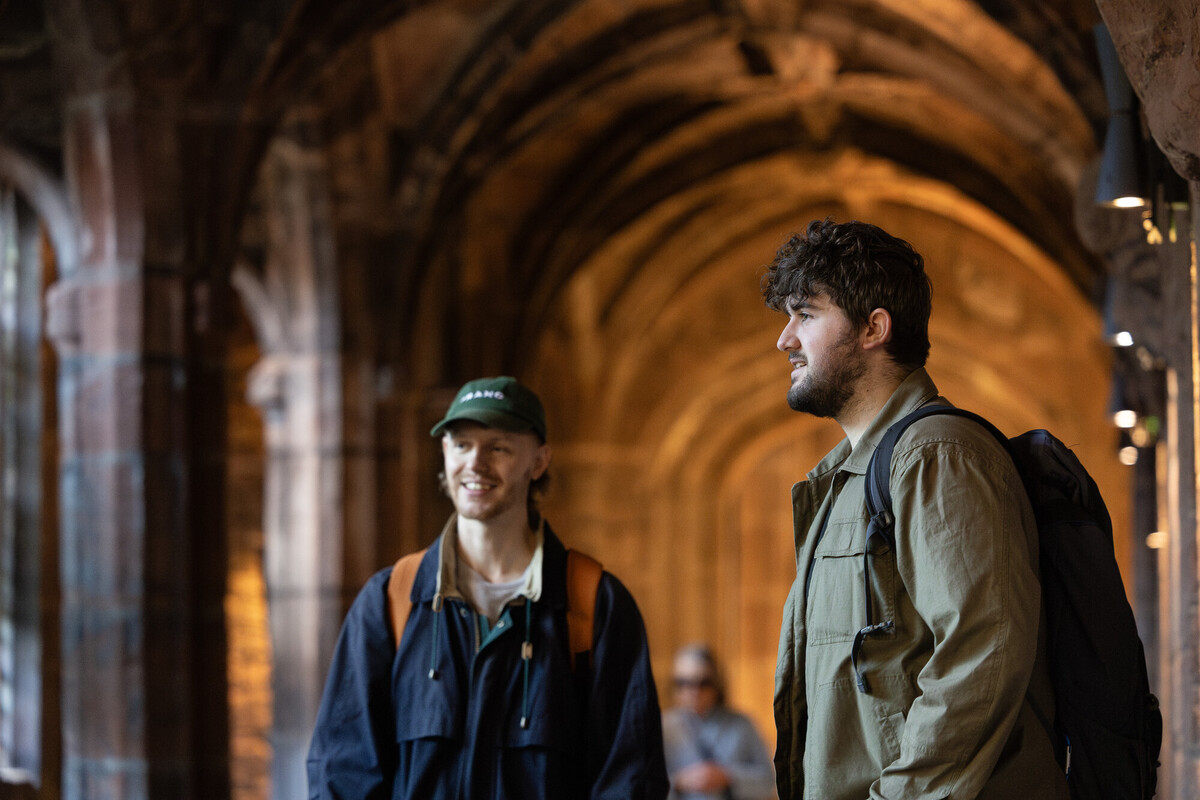
History students on a field trip exploring historic ruins, gaining hands-on learning experience outside the classroom.

There has never been a more important time to study a History BA. The past is contested, controversial and very much alive. Set within the uniquely historic environment of Chester, our exciting course offers an exploration of the past and a gateway to your future.

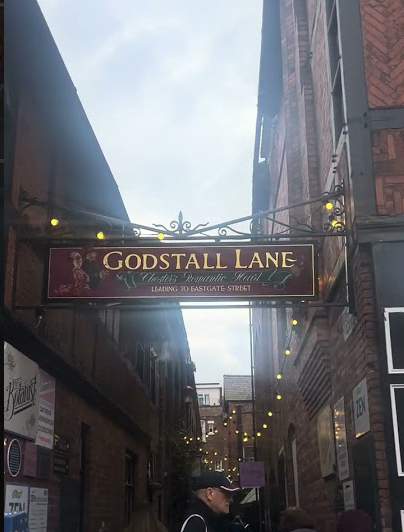
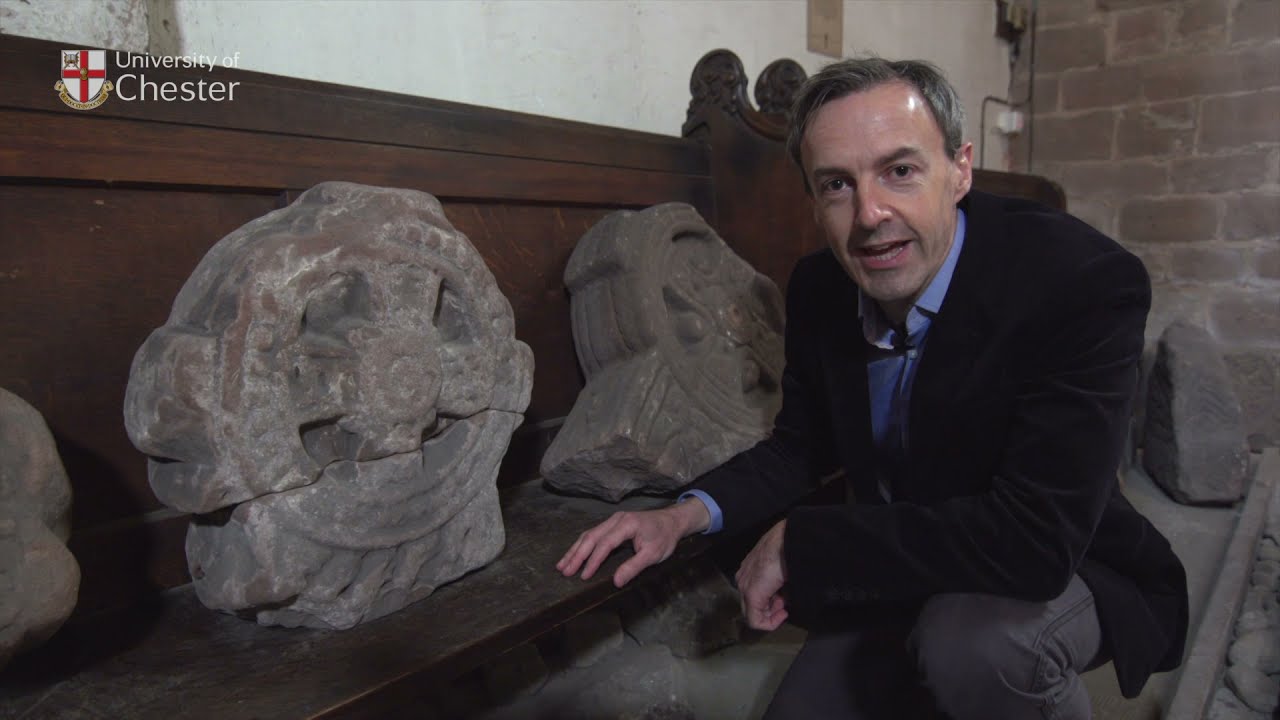
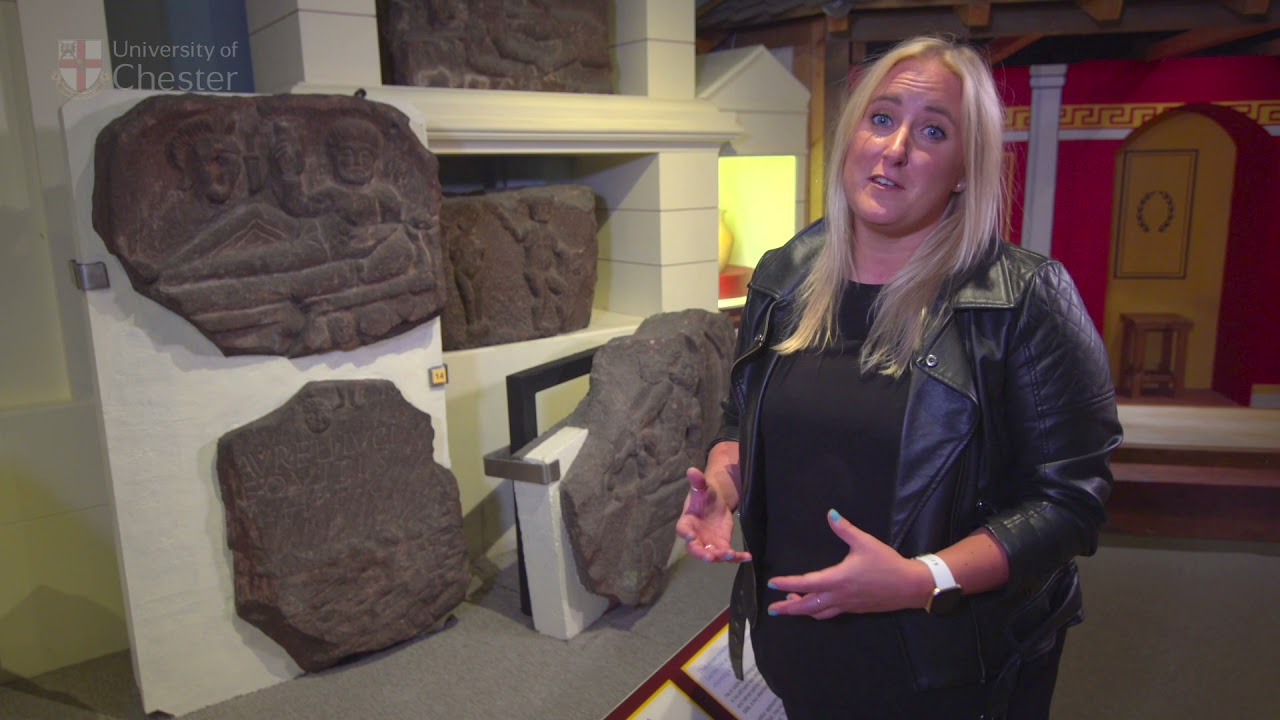
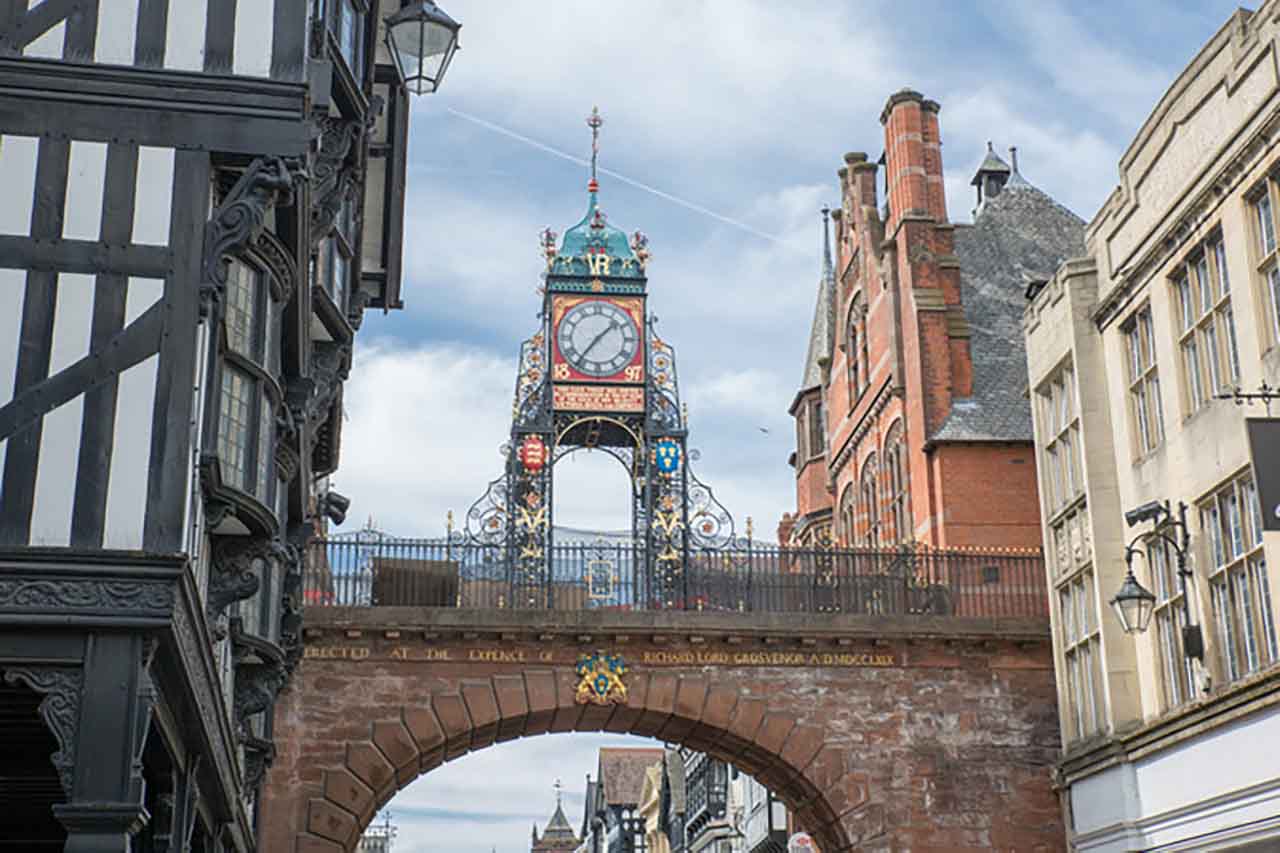
At Chester, you’ll study in a city shaped by nearly two millennia of history, with Roman, medieval and early modern heritage all around you. Take a tour through our historical hotspots with History student, Bailey in her videos featured below! You can see that from day one, you’ll be surrounded by evidence of the past, offering inspiration both in and beyond the classroom.

Our curriculum spans medieval to modern history, on both local and global scales. You’ll explore social, cultural and political histories through a variety of engaging topics, such as the Vikings, Witchcraft, the Holocaust and the American Civil Rights Movement. Along the way, you’ll consider what history is for, how it’s communicated through the heritage sector, and how the digital world is changing our engagement with the past.

Gain real-world experience by working alongside our partnership organisations, including the Grosvenor Museum, Chester Cathedral, Big Heritage and the Chester Heritage Festival. You’ll learn from a friendly, supportive team of historians who are experts in medieval, early modern and modern history, as well as hearing from guest speakers about how they’ve transformed their passion into fulfilling careers.

You’ll collaborate with peers on real, exciting history and heritage projects, with placements, field trips and study abroad opportunities. You won’t have to venture far though to see that history really is on your doorstep, from the city’s ancient remains, to our new multi-million pound history centre just a short walk from Exton Park campus.

Pursue your passion for the past with us. It’s an experience like no other. 


Why You'll Love It

What You'll Study

The Law, Humanities and Social Sciences Foundation Year route offers you an important preparation year as part of your four-year degree.

For Law and Criminal Justice subjects, you will explore legal frameworks, criminal justice systems, wider social contexts and issues, as well as case scenarios, and research and problem solving in law and criminology. 

For Humanities and Social Science subjects, you will explore people and societies and their beliefs, cultures, power structures, stories and narratives, as well as critical inquiry into societal issues and global affairs with contemporary and historical perspectives.

The module introduces students to seismic historical developments and radical social movements that have impacted human society and culture. Additionally, it encourages the interpretation and analysis of visual materials, written texts and cultural artifacts, with exploration of their historical and social contexts. It also provides students with an introduction to academic skills relevant to the study of academic subjects within the humanities and social sciences.

Indicative content:

  • Introduction to the study of human society, culture, beliefs and language
  • Introduction to revolutionary developments and radical change in human society and culture
  • ‘Revolutions’ (such as agricultural, industrial, technological, scientific, political and social developments)
  • Concepts and debates surrounding the shifts from 'the traditional' to 'the modern' to 'the postmodern' 
  • Social movements, political activism and art for societal change
  • History, politics and literatures of class, gender, ‘race’, sexuality, and disability
  • Introduction to the interpretation of cultural texts, materials and artifacts in the humanities and social sciences
  • Exploring the historical and social contexts of visual and written materials and cultural artifacts
  • Cultural themes such as visions of science, gender representation, rebels and counterculture, and icons and heroes
  • Subject lenses and literatures on societal and cultural developments (including archaeological, historical, philosophical, religious, literary, political, geographical, and sociological perspectives)  
  • Learning to use and navigate a range of digital spaces specific to your subject
  • Understanding academic conduct and conventions for communicating information
  • Finding and using a range of academic sources relating to your subject
  • Field visit


The module introduces students to global issues that are significant concerns across the humanities and social sciences. Additionally, it encourages the interpretation and analysis of a range of texts and artifacts, and their role in shaping - and changing - understandings and representations of peoples, cultures, and places. The module also provides students with support to advance their academic communication and to expand their research into subject-specific literatures.

Indicative content:

  • Global literacy, cultural agility and the concept of the ‘global graduate’
  • Intercultural competencies in Higher Education (HE) settings
  • Migration and multiculturalism including archaeological, historical, political, literary, philosophical and religious dimensions  
  • Concepts, theories and ideologies of globalisation
  • Dimensions of globalisation including economic, political, cultural, and religious globalisation
  • English language and globalisation, and theories of cultural convergence, differentialism and hybridization
  • The expansion of world religions
  • Rise of Transnational Corporations (TNCs), globalised media industry and ‘big tech’ developments
  • Colonialism, anti-colonial resistances and their legacies and continuities
  • International Relations (IR), philosophical influences on IR theories, and international security issues
  • Cultures and texts including: writings about place; social and cultural representations through texts and artifacts; and, narratives & storytelling in shaping cultures and cultural meanings
  • Subject lenses and literatures on global and cultural issues (including archaeological, historical, philosophical, religious, literary, political, geographical, and sociological perspectives)    
  • Advancing digital and academic skills introduced during Term 1
  • Developing research and information literacy in relation to your subject
  • Creating an academic poster on a chosen research paper
  • Exploring genres of writing
  • Field visit
  • Local case study

Overall, the module will guide students to devise, plan and produce their own project about a topic relevant to their degree subject. As part of their project’s planning and research process, students will develop skills to locate, identify and review suitable and relevant literature. Additionally, the module will support students to recognise key features and techniques applied within a range of publications from across the humanities and social sciences, to include research papers, critical essays and creative texts.

Indicative content:

  • Identifying topics of interest and generating ideas for a project
  • Undertaking background research to inform a project title and project proposal
  • Formulating a project title or question
  • Devising, planning and producing a proposal for a project
  • Project development sessions to include generating ideas, research and planning, proposal and project development workshops, self-directed study, and individual tutorials with study supervisor
  • Producing a final piece of work in a relevant format
  • Recognising key stages in project development
  • Skills for developing a self-directed project, including skills for independent study and time management
  • Introduction to reflective cycles and reflective practice, and application of this to own project development experiences
  • Introduction to searching and reviewing literature for a project
  • Reading and reviewing example research papers
  • Recognising forms of research within humanities and social research
  • Recognising basic research methods and relevant terminology within published research papers
  • Reading and reviewing examples of creative publications
  • Recognising literary techniques and devices within pieces of creative writing
  • Reading and reviewing example pieces of journalism and other media texts
  • Recognising methods and styles of argument, and modes of persuasion including through written and spoken language, images, adverts and media
  • Subject lenses and literatures on research and critical inquiry (including archaeological, historical, philosophical, religious, literary, political, geographical, and sociological perspectives)   
  • Field visit

The information listed in this section is an overview of the academic content of the course that will take the form of either core or option modules and should be used as a guide. We review the content of our courses regularly, making changes where necessary to improve your experience and graduate prospects. If during a review process, course content is significantly changed, we will contact you to notify you of these changes if you receive an offer from us.

The BA History course contains core modules at each level of study whilst also giving students a chance to explore the past in both breadth and depth. You will be prepared for your future through topics covering a thousand years of local, national and international history. Our inclusive curriculum means that you will be encouraged to challenge existing narratives about the past and will be introduced to think critically about how and why these narratives have developed. You will delve into important themes and issues relating to race, diversity, gender, imperialism, conflict and climate change. Through the study of the past, we can make sense of our present and start to think about how to work together to shape our future.

In Year 1 (Level 4), students are introduced to global historical events, are given the opportunity to explore historical debates and are also exposed to key themes in Medieval, Early Modern and Contemporary History.

Core Modules

On Global Histories: Defining Moments we introduce you to historical events and processes from across the world and over the last two millennia which effected substantial change. In doing so, we will transform your perspectives by changing your views on the past, and developing the key skills required of historians. Here you begin the transition to becoming historians who are globally aware, chronologically informed, curious citizens as well as historians who are trained in the skills and methodologies of cutting-edge, independent research.

Our Lectures will focus on historical themes including commercial change, global diseases, religious change, persecutions, genocide and enslavement, rebellions, revolutions, wars, and others.

Your Seminars will discuss related case studies on which you can choose to complete further research for your assignment. During these Seminars you will learn to distinguish, weigh and analyse primary and secondary sources related to the case studies and assess how to deploy them construct an argument.

On completing this module you will emerge equipped with a broad geographical and chronological historical knowledge to inform your preferences for optional modules and your historical thinking throughout the course. Through the Seminars and smaller group discussions you will adjust to university, build community and lay a foundation in the transferable skills required across the course.

History Wars will introduce you to the different ways people have conceived of History and the ongoing debates about what History is and how it should be done. During the module we will transform your perception of what History is and how we make History. By the end of the module you will be well on your way to becoming historians equipped to redefine History and who are trained in the skills and methodologies of cutting-edge, independent research.

Our Lectures will focus on key themes in the way History has been defined and on key issues at the heart of how we do History, such as the relationship between the past and History, the nature of historical truth, the status of sources, the idea of facts or events, and others, opening a wide range of perspectives.

Your Seminars will discuss focused contributions to debates on these themes and issues by particular historians, examining in depth through small group activities.

On completing this module you will emerge equipped with a broad knowledge and understanding to inform your analysis of historians writing about particular times and places on your optional modules and for your dissertation. Through the Seminars and smaller group discussions you will adjust to university, build community and lay a foundation in the transferable skills required across the course.

Optional Modules

Pre-Modern Movements allows you to study major social, religious and cultural movements in particular chronological and geographical contexts before about 1750, such as medieval Crusades and Rebellions or early modern Reformations and Civil Wars.

During the module you will think about how societies are organised and how social organisation relates to changes in religious beliefs or politics, or produces violence and oppression.

Along the way you will hone the skills you developed from Global Histories and History Wars in using primary evidence, analysing historical arguments, and constructing your own historical answers.

By the end of the module you will be well on your way to becoming historians who are chronologically informed, curious citizens, and who are trained in the skills and methodologies of cutting-edge, independent research.

Modern Spaces allows you to study significant cultural phenomena in particular chronological and geographical contexts after about 1750, such as conventions of conflict, ideas of the body, or cultures of leisure.

During the module you will think about how cultural assumptions arise and change in different historical circumstances, and what effects they have on people as individuals and groups.

Along the way you will hone the skills you developed from Global Histories and History Wars in using primary evidence, analysing historical arguments, and constructing your own historical answers. Through working with others to produce a group presentation you will acquire new skills in collaboration, oral and audio-visual communication, and responding to feedback.

By the end of the module you will be well on your way to becoming historians who are chronologically informed, curious citizens, and who are trained in the skills and methodologies of cutting-edge, independent research.

Optional Language Modules

This module enables students with A-Level German or equivalent to further develop their grammar, vocabulary and expression and apply these to real world situations.You will work with written and recorded texts on a range of cultural, personal and social topics and will develop your oral and written communication skills at Post-A level.

This module is designed for students that have completed A-Level or equivalent in French. You will further develop your grammar, vocabulary and expression and apply these to real world situations. You will work with written and recorded texts on a range of cultural, personal and social topics and will develop your oral and written communication skills at Post-A level.

This module is designed for students that have completed a A-Level or equivalent in Spanish. You will further develop your grammar, vocabulary and expression and apply these to real world situations. You will work with written and recorded texts on a range of cultural, personal and social topics and will develop oral and written communication skills at Post-A level.

This module is designed for students who have completed GCSE in Chinese or equivalent. You will further develop your grammar, vocabulary and learning conventions for spelling and pronunciation. You will work with written and recorded texts on a range of cultural, personal and social topics and will develop oral and written communication skills at an intermediate level.

This module is designed for students who have completed GCSE or equivalent in French. You will further develop your grammar, vocabulary and learning conventions for spelling and pronunciation. You will work with written and recorded texts on a range of cultural, personal and social topics and will develop oral and written communication skills at an intermediate level.

This module is designed for students that have completed GCSE or equivalent in Spanish. You will further develop your grammar, vocabulary and learning conventions for spelling and pronunciation. You will work with written and recorded texts on a range of cultural, personal and social topics and will develop oral and written communication skills at an intermediate level.

This module provides the opportunity to study a new language from scratch and introduces you to basic grammar, vocabulary and cultural contexts. You will apply the language to practical situations using both oral and written skills. 

The information listed in this section is an overview of the academic content of the course that will take the form of either core or option modules and should be used as a guide. We review the content of our courses regularly, making changes where necessary to improve your experience and graduate prospects. If during a review process, course content is significantly changed, we will contact you to notify you of these changes if you receive an offer from us.

Year 2 (Level 5) builds on this foundation through more complex learning. You will consider the uses and abuses of History in the past, focus on more specific regions, events or periods, consider the role of History in the workplace, and conduct project work with external partners.

Core Modules

History at Work will introduce you to the ways in which History is employed in a range of professional contexts – schools, museums, and the media – and provide you with experience of applying History to those contexts. During the Module we will explore the professional frameworks, government legislation, professional bodies, and ethical codes which structure the application of History in these contexts. Along the way, we will meet with professional practitioners to discuss their role, career routes, and experiences of working in these contexts.

Our interactive Lectures will focus on the policy and regulatory frameworks, confronting crucial problems in the intersection between education, heritage, the media, and equality and diversity.

Your small group activities will focus on dissecting those policy and regulatory frameworks, helping you to devise your own, improved professional framework.

By the end of the Module, building on the knowledge and understanding you developed in History Wars of how definitions of history relate to contexts and audiences, you will have a foundation to become a public historian who is professionally informed and experienced, having produced a real world, authentic professional document. This will prepare you for Curious Chester, where you will work to an external brief to produce a professional public history resource and reflect on your professional experiences.

Fake History and Conspiracy Theories will introduce you to the ways in which the past and present have been misrepresented in a variety of chronological and geographical contexts. You will be challenged by a range of historical sources revealing the complex nature of historical truth, propaganda, misrepresentation and censorship.
 
You will be encouraged to reflect on how the past is preserved, taught, understood and evaluated. Notions of ‘truth’ and ‘fact’ will be debated, and, in seminars, students will develop their critical thinking skills, to analyse and discuss different realties and the consequences of how history has been preserved and represented. 
 
By the end of the module, you will be better historians, and better citizens, more capable of rooting out misinformation and ‘fake news’, able to open-up a historical problem for further research, as well as produce more persuasive evidence-based arguments.

On Rewriting History, you study an historical subject from a specific chronological and geographical setting. You will work with a members of staff to re-evaluate what historians have argued about those subjects, and to produce your own histories.

There will be a choice of subjects from which to select your preferences, which may include the following:
• The Vikings – A Local-Global Diaspora
• Witchcraze
• Fear City: Danger, Disorder, and Culture in the Modern Metropolis
• The Holocaust

During this module you will consider how historians have defined the subject, what they have argued about the causes and consequences of the subject, what evidence they have deployed to support their arguments, and how convincing you find their approaches and conclusions.

Along the way you will hone the skills you developed from Global Histories, History Wars, Pre-Modern Movements and Modern Spaces in analysing historical arguments, and constructing your own historical answers.

By the end of the Module, you will be well on your way to becoming a historian who is chronologically aware, historiographically well-informed, and curious, and who is trained in the skills and methodologies of cutting-edge, independent research.

On Challenging History, you will study an historical subject from a particular different chronological and geographical setting. You will work with a member of staff to re-evaluate what historians have argued about those subjects with a special focus on the primary sources, and you will develop your own analyses of those sources.

There will be a choice of subjects from which to select your preferences, which may include the following:
• The Age of the Black Death
• Europe in the Age of Reason and Absolutism, c. 1660 to c. 1780
• Seeking the Promised Land - Black America, 1865-1977
• Imperial Endings: Britain in the Colonial and Post-Colonial Age

During this module you will consider how historians have approached the subject and its sources, how they have used the evidence to support their arguments, and how convincing you find their analyses.

Along the way you will hone the skills you developed from Global Histories, History Wars, Pre-Modern Movements and Modern Spaces in using primary evidence and constructing your own historical answers.

By the end of the Module, you will be well on your way to becoming a historian who is chronologically aware, historiographically well-informed, and curious, and who is trained in the skills and methodologies of cutting-edge, independent research.

Optional Modules

Curious Chester will ask you to work to an external, real-world brief to research the underrepresented past of Chester, its region, or other regions, and produce a professional public history resource.

You will work with internal and external partners, which may include Chester Heritage Festival, Cheshire Archives and Local Studies, the Grosvenor Museum, Chester Cathedral, the University of Chester PGCE in Secondary History, and others.

You will be given a brief to fulfil a real-world need identified by these partners and you will pursue an independent project to produce a public history resource, such as a learning resource, a digital catalogue, a transcription, a monument contextualisation, an exhibition design, a social media campaign, amongst many other possibilities.

You will complete some training in pursuing an independent research project which will prepare you for the Dissertation Module and you will reflect on your experiences as a foundation for applying for a career, assessing and representing your skills, and engaging in employee personal development processes.

By the end of the module, reflecting on the knowledge and understanding you acquired in History at Work, you will be historians trained in a distinctive historical place - Chester and its institutions - and will be prepared to be public historians who are professionally informed and experienced in producing real world, authentic outcomes.

This module provides a structured, university-level work placement for 4, 5 or 7 weeks as one continuous block / period with a placement provider (i.e. a local employer from the private, public, or charitable sector). It is designed to enhance your professional skills in a real-world job setting.

The placement can either be organised by you or with support from university staff.

All work placements within this module must be university-level; this means:

  • Undertaking high-skilled work commensurate with level 5 study (e.g. report writing, attending meetings, delivering presentations, producing spreadsheets, writing content on webpages, social media, marketing services/products etc)
  • Physically placed (albeit part of it can be hybrid) within an employer setting in one continuous block / period for 4, 5 or 7 weeks for a minimum of 140-147 hours over the course of the entire work placement
  • Where applicable, your existing part-time employer can be approached/used as the placement provider, if the high-skilled work criterion above is fulfilled for the full duration of the placement.
  • All quality assurances/agreements provided by the University are adhered to, by you and the employer.

The work placement context may not necessarily, reflect your degree discipline per se, but rather, it will give you an enriched experience to enhance your professional skills in a real-world job setting.

Optional Language Modules

The module will provide the opportunity to further develop your language skills, building on your previous learning at advanced level. The second half of the module includes a placement abroad or, alternatively, a project on a sustainability issue in a target language country. The first half of the module will prepare you for placements abroad where appropriate as well as a deeper understanding of sustainability in target language contexts. Students of more than one language may take one language in the first half of the module and spend their time abroad developing a different language. 

The module will provide the opportunity to further develop your language skills, building on your previous learning at intermediate level. The first half of the module includes intensive taught sessions in interactive workshop mode which will prepare you for placements abroad or self-directed language development. The second half of the module includes an placement abroad or, alternatively, a project on a business or tourism issue in a target language country. Students of more than one language may take one language in the first half of the module and spend their time abroad developing a different language. 

The module will provide the opportunity to further develop your language skills, building on your previous learning at beginner level. The first half of the module includes intensive taught sessions in interactive workshop mode which will prepare you for placements abroad or self-directed language development. The second half of the module includes a placement abroad or, alternatively, a project on a cultural issue in a target language country. Students of more than one language may take one language in the first half of the module and spend their time abroad developing a different language. 

  • The multiple facets of global citizenship
  • Ethical engagement and practice
  • The United Nations Sustainable Development Goals
  • Cross-cultural issues and sensitivity
  • Intercultural communication
  • Culture shock
  • Cultural adjustment
  • Self- assessment of needs: identification of the range of transferable skills, competencies and attitudes employees need and employers expect graduates to possess-with a strong focus on understanding the intercultural competencies (ICC) needed to live and work abroad.
  • Critical analysis/evaluation of individual requirements in relation to culture/cultural adjustment/culture shock/visas/medical.
  • Critical analysis/evaluation of skills already acquired in relation to key skills related to ICC.
  • Devising strategies to improve one’s own prospects of working abroad in the future.
  • Devising an action plan to address gaps in transferable skills based on organisational analysis and sector opportunities.

Part A:      

Preparation for Experiential Overseas Learning will take place at the University of Chester during level 5 and will include:  

  • The multiple facets of Global citizenship
  • Ethical engagement and practice
  • Cross-cultural issues and sensitivity
  • Intercultural communication

Theories, models and strategies of learning

  • Theories and models Intercultural competence
  • Theories and models of Integration and Multiculturalism
  • Critical thinking skills and models of Reflection
  • Experiential learning models
  • Self-directed experiential learning

Personal and placement-related skills

  • Enhanced independence
  • Improved command of multicultural behaviour
  • Increased knowledge and confidence in their individual facets of personal identity
  • Effective time management and organisational skills
  • Project management – working away from University and independent study
  • Self-management and personal development
  • Team building and team work

Part B:            Overseas

Students will engage in experiential learning activities overseas for at least 150 hours 

Optional International Placement Year

Preparation for the year abroad will take place in Chester during level 5 and will include:

  • Cross-cultural issues and sensitivity
  • Host-country orientation, study methods– economic, political and social reality of the country
  • Orientation specific to exchange – health, education, gender issues
  • The United Nations Sustainable Development Goals
  • Practical matters relating to living and studying in the wider world

Theories, models and strategies of learning

  • Critical thinking skills, experiential learning and models of reflection

Personal and placement-related transversal skills

  • Effective self-motivation and independent resourcefulness
  • Effective time management and organisational skills
  • Project management – working away from University and independent study
  • Self-management and personal development

Whilst abroad:

You will undertake study at one of the University of Chester's partner universities or undertake and approved work placement or virtual placement. If you are a student,  it is expected that you will choose a series of modules at the university abroad which must be agreed by the host institution and the Module Leader. you must supply details of you modules on a learning agreement within 4 weeks of arrival at the host university.

The information listed in this section is an overview of the academic content of the course that will take the form of either core or option modules and should be used as a guide. We review the content of our courses regularly, making changes where necessary to improve your experience and graduate prospects. If during a review process, course content is significantly changed, we will contact you to notify you of these changes if you receive an offer from us.

In Year 3 (Level 6) you will immerse yourself in Special Subjects which focus on particular historical issues, and relevant primary source material, in greater depth. You will also undertake a dissertation, supported by a supervisor, on a research topic of your own choice.

Core Modules

The History Dissertation Module supports you to identify your own historical episode or topic on which to pursue an independent research project.

Our Lectures will focus on the main elements and steps required for a successful independent research project and poster presentation of the results.

Our supervision Tutorials will support you to apply those steps to your own chosen historical episode or topic.

Your project must reflect a thorough grounding in the relevant Secondary Literature and you must use an appropriate and significant range of Primary Sources in your research.

You may take a variety of approaches to the project, including: an in-depth historical analysis based on archival and Primary Sources; an historiographical approach based on extensive critical analysis of Secondary Sources; or an approach based on public or applied history, including placements.

After completing your independent project, you will produce poster presentations of your results to be exhibited in a final celebration of your research.

By the end of this Module, having applied the insights into interrogating historiography you gained from previous modules, including History Wars and Fake History and Conspiracy Theories, your experience of using Primary Sources to develop independent arguments from your History options, and your pursuit of an independent research project in Curious Chester, you will be an historian trained in the skills and methodologies of cutting-edge, independent research.

History at the Cutting Edge will engage you in analysing an unsolved historical problem with which one of our staff is engaged, opening up the historiography through the Secondary Sources to ask new questions and interrogating the Primary Sources to provide new answers.

You will select an historical problem from those on offer each year, spanning the pre-Modern and Modern periods. 

Our Lectures will draw on our knowledge and understanding of the problem to help you review what has been written, break down the problem into logical steps, and identify the relevant evidence.

Your Seminars and small-group activities will involve active, critical discussion and analysis of what has been written and of the evidence to develop new ideas.

Building on your experiences in optional modules across the Course, by the end of the Module you will have advanced experience in applying the skills and methodologies of cutting-edge, independent historical research and argument.

On the History Special Subject Part 1 you explore and study in-depth a specialist historical topic based on the academic specialisms of staff members.

There will be a choice of subjects from which to select your preferences, which may include the following:
• The Norman Conquest 1066-1154
• Court and Culture 1363-1477
• Slaves, Samurai and Serpent-Gods: Empires of the Early Modern World
• The British Wars and English Revolution, c. 1637 to c. 1660
• Freedom, Rights and Justice - American Constitutional History Since 1789
• Beauty and the Blitz: The Battle for Modern England (1800-2000)
• Gritty City, Urban Wonderland: The Rise of the Modern Metropolis
• The Culture of Defeat: Weimar Germany and the Legacies of the First World War
• Genocide in History and Memory

This module enables you to develop a critical understanding of your subject, but also of ways that history can be delivered to an audience through an oral presentation.

By the end of the Module, you will have utilised skills relevant to a wide range of future careers including, but not limited to, those in teaching and heritage.

On the History Special Subject Part 2 you will continue to study the specialist historical topic you began in History Specialised Subject Part 1, placing greater emphasis on Primary Sources.

During the Module, you will develop a critical understanding of your special subject and its Primary Sources. You will also utilise digital tools to demonstrate how the subject and those Sources can be publicised to a wide audience.

By the end of the Module, you will have produced a digital resource for public and applied history, utilising skills relevant to a wide range of future careers including, but not limited to, those in teaching and heritage.

The information listed in this section is an overview of the academic content of the course that will take the form of either core or option modules and should be used as a guide. We review the content of our courses regularly, making changes where necessary to improve your experience and graduate prospects. If during a review process, course content is significantly changed, we will contact you to notify you of these changes if you receive an offer from us.

How You'll Learn

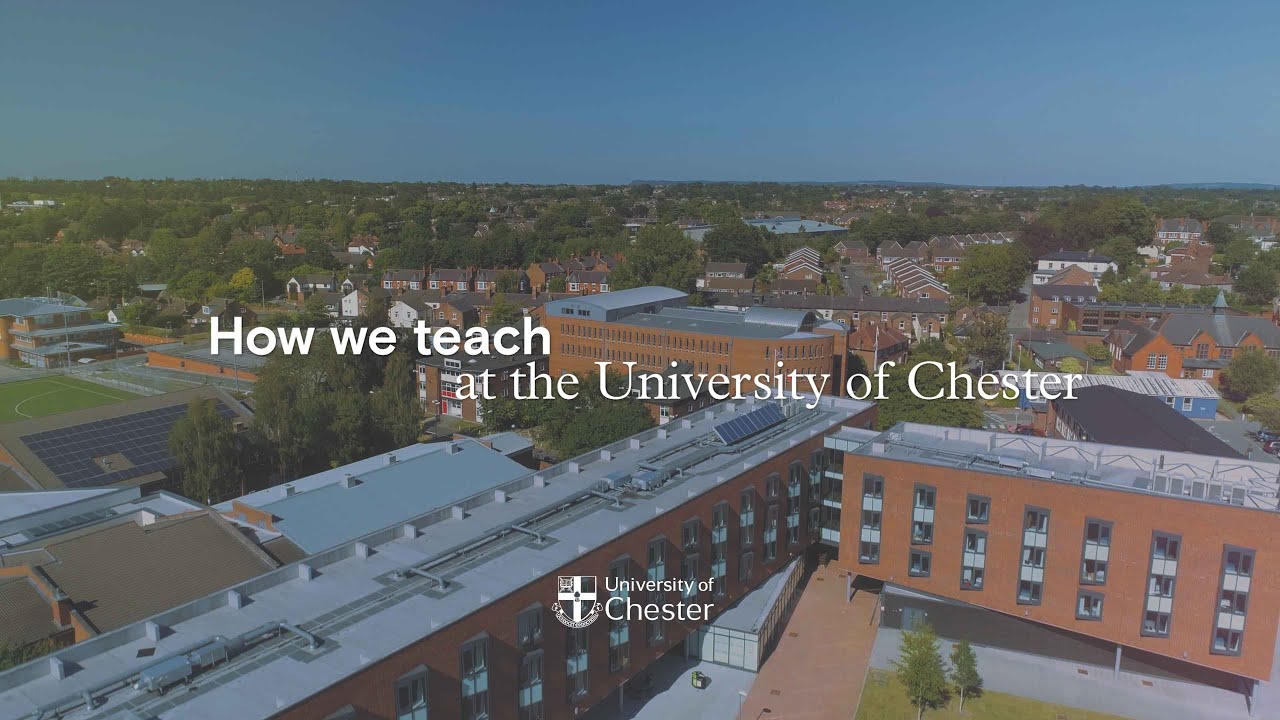
An aerial photograph of Exton Park with the text 'How we teach at the University of Chester'

How we teach at the University of Chester

This course is delivered in three terms of ten weeks each. In each term, you will study 40 credits comprising either one or two modules. Scheduled contact hours range between approximately six and ten hours per week depending upon level of study and the complexity of the material being taught.

If studied, the Foundation Year, as with the following years of study, you will be taught in three 10-week blocks across an academic year. Each block will comprise of a large 40-credit subject-specific module that includes a breadth of topics and subject skills. You will have on average 12-14 hours of contact time per week during the Foundation Year. There may be variations to this where subject practical or specialist space teaching is included.

The vast majority of teaching will be in small groups, in seminars and tutorials, but you will also get the chance to meet everyone in your year in large lectures for the core modules. When possible we will also take you out on field trips to historic locations or heritage sites for ‘hands-on’ learning. You will also undertake some structured activities online, allowing you to make the best use of your independent study time whilst developing essential digital skills.

Teaching will be delivered by experience academics in the field. This will be supplemented by talks by practitioners and occasional guest lecturers.

You will be assessed through a wide range of coursework methods, all of which are designed not only to test your understanding of history but also to allow you to develop and demonstrate skills that are essential for success after university. These may include essays, source analyses, literature reviews and oral presentations, but also reflective exercises, digital assignments including video essays and other digital media, poster presentations and portfolios. We continuously review the assessment methods used in order that they adequately prepare students for graduate level employment. There are no exams on our History course. 

All teaching is delivered by experienced academics and practitioners, with the fundamental principles of the Chester Future Skills Curriculum at its core – building your subject competence, confidence, and key transferable skills to shape you into a world-ready Chester graduate.

Your Future Career

Job Prospects

History graduates from Chester have pursued a wide range of careers reflecting the excellent transferable skills offered by a History degree, including, amongst many others, careers in teaching, law, the civil service, publishing, business, IT and research. 

Careers Service

The University has an award-winning Careers and Employability service which provides a variety of employability-enhancing experiences; through the curriculum, through employer contact, tailored group sessions, individual information, advice and guidance.

Careers and Employability aims to deliver a service which is inclusive, impartial, welcoming, informed and tailored to your personal goals and aspirations, to enable you to develop as an individual and contribute to the business and community in which you will live and work.

We are here to help you plan your future, make the most of your time at University and to enhance your employability. We provide access to part-time jobs, extracurricular employability-enhancing workshops and offer practical one-to-one help with career planning, including help with CVs, applications and mock interviews. We also deliver group sessions on career planning within each course and we have a wide range of extensive information covering graduate jobs and postgraduate study.

What Our Students Think

Entry Requirements

112 UCAS points

UCAS Points

112 points

GCE A Level

Typical offer – BCC-BBC

We require one of the following subjects: History or a suitable alternative such as Classical Civilisation, English, Philosophy, Religious Studies, Government and Politics, Sociology or Law.

BTEC

BTEC Extended Diploma: History or a suitable alternative such as Classical Civilisation, English, Philosophy, Religious Studies, Government & Politics, Sociology or Law. Typical offer – DMM (can only be considered in combination with one of the A Levels listed)

International Baccalaureate

28 points (including 5 in HL History, or a suitable alternative such as English, Philosophy or Social and Cultural Anthropology)

Irish/Scottish Highers

Irish Highers – H3 H3 H3 H3 H4 (including H3 in History, or a suitable alternative such as English, Politics & Society or RE)

Scottish Highers – BBBB (including History, or a suitable alternative such as English or Religious Studies)

Access requirements

Access to HE Diploma to include 45 credits at Level 3, of which 30 must be at Merit or above. Must include 15 Level 3 credits in History or a suitable alternative such as Classical Civilisation, English, Philosophy, Religious Studies, Government & Politics, Sociology or Law.

Extra Requirements

Welsh Baccalaureate Advanced and A Level General Studies will be recognised in our offer. We will also consider a combination of A Levels and BTECs/OCRs.

Students from countries outside the UK are expected to have entry qualifications roughly equivalent to UK A Level for undergraduate study and British Bachelor's degree (or equivalent) for postgraduate study. To help you to interpret these equivalents, please select your country of residence to see the corresponding entry qualifications, along with information about your local representatives, events, information and contacts.

We accept a wide range of qualifications and consider all applications individually on merit. We may also consider appropriate work experience.

For more information on our entry requirements, please visit International Entry Requirements.

English Language Requirements

IELTS

IELTS Academic: Undergraduate: 6.0 (minimum 5.5 in each band)

72 UCAS points

UCAS Points

72 points

GCE A Level

72 points overall, including grade D in A level

The Department require one of the following subjects: History or a suitable alternative such as Classical Civilisation, English, Philosophy, Religious Studies, Government and Politics, Sociology or Law.

BTEC

BTEC Extended Diploma: History or a suitable alternative such as Classical Civilisation, English, Philosophy, Religious Studies, Government & Politics, Sociology or Law. Typical offer – MMP (Can only be considered in combination with one of the A levels listed above)

International Baccalaureate

24 points (including 4 in HL History, or a suitable alternative such as English, Philosophy or Social and Cultural Anthropology)

Irish/Scottish Highers

Irish Highers – H4 H4 H4 H4 H4 (including History, or a suitable alternative such as English, Politics & Society or RE)

Scottish Highers – CCDD (including History, or a suitable alternative such as English or Religious Studies)

Access requirements

Access to HE Diploma – Pass Overall (including History or one of the alternative subjects above)

Extra Requirements

Welsh Baccalaureate Advanced and A level General Studies will be recognised in our offer. We will also consider a combination of A Levels and BTECs/OCRs.

Fees and Funding

£9,790 per year for a full-time course (2026/27)

The full-time tuition fees for Home students entering in 2026/27 are £9,790 a year, or £1,590 per 20-credit module for part-time study.

£14,950 per year for a full-time course* (2026/27)

The tuition fees for international students studying programmes in 2026/27 are £14,950 per year for a full-time course. This fee is set for each year of study.

For courses with a Foundation Year, the tuition fees for Year 1 are £11,250 and £14,950 for Years 2-4 in 2026/27.

Tuition fees for Home students for the Foundation Year in 2026/27 will be £5,760 (subject to Parliamentary approval) for the first foundation year of a four-year course. Tuition fees for subsequent years will be charged at the standard undergraduate tuition fee rate for that academic year. Standard undergraduate tuition fees for Home students for the academic year 2027/28 will be £10,050 for full-time students and £7,530 for part-time students (subject to Parliamentary approval). Fees for subsequent years may be subject to increase in line with the Government fee cap

  Foundation (First) Year Second Year onwards per year
Home Students £5,760 full-time fee for the first foundation year (2026/27) £10,050 full-time fee per year from the second year onwards (2027/28)
International Students * £11,250 full-time fee for the first foundation year (2026/27) £14,950 full-time fee per year from the second year onwards (2026/27)

* For courses which accept applications from International Students

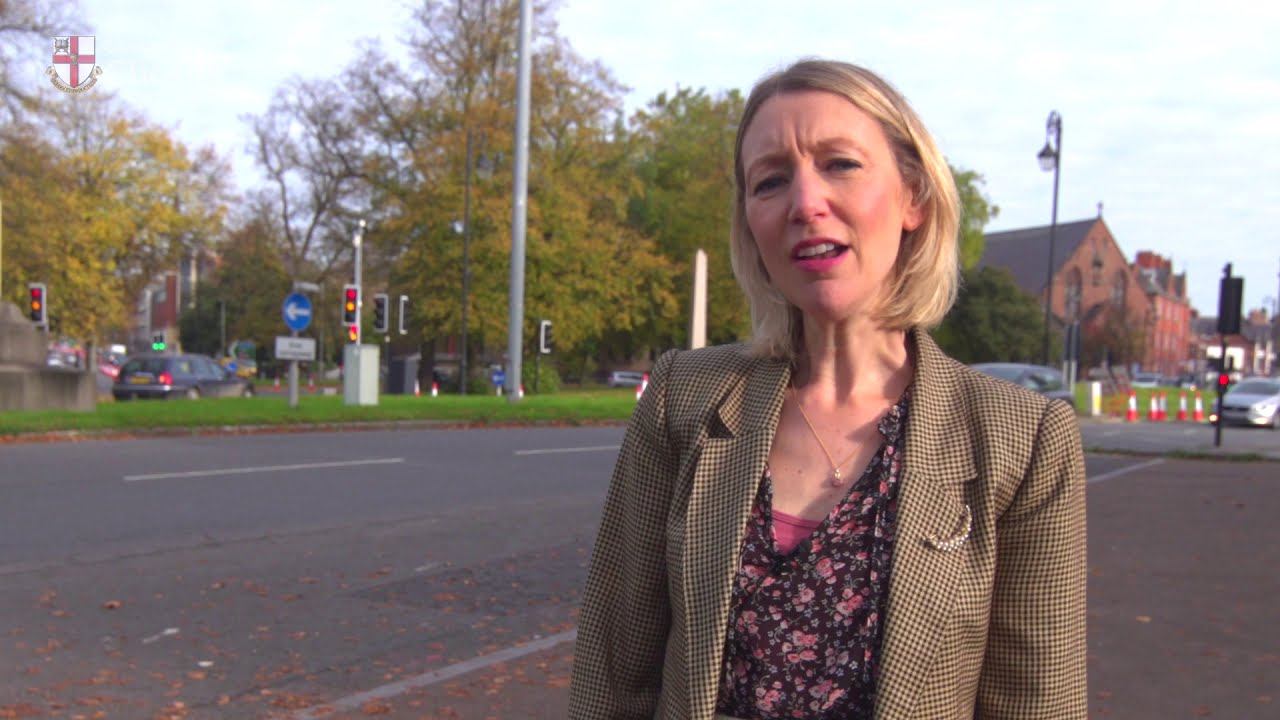
History Student Tour of Historical Places

Join history student Bailey for a tour of historical places discovered through her degree

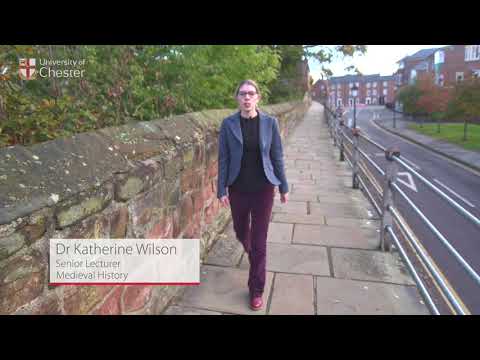
Explore the History of Chester

Who You'll Learn From

Dr Kara Critchell

Senior Lecturer
Dr Kara Critchell

Dr Hannah Ewence

Head of Division
Dr Hannah Ewence

Dr Thomas Pickles

Associate Professor
Dr Thomas Pickles

Dr Rebecca Andrew

Senior Lecturer
Dr Rebecca Andrew

Dr David Harry

Senior Lecturer
Dr David Harry

Dr Donna Jackson

Senior Lecturer
Dr Donna Jackson

Enquire about a course