Doctor of Professional Studies in Theology and Religious Studies DProf

Our DProf in Theology and Religious Studies is an exciting opportunity to pursue research rooted in an area of your profession or organisation. Explore the ethical, theological, religious, cultural and spiritual dimensions of your practice or work. Use practice-based research to question the ethos, world-views, religious cultures and values of your context.
We have a longstanding track record of interdisciplinary expertise in teaching, research, and supervision in the field. Since 2009, we have enabled students to enhance and transform their professional or organisational context through a range of approaches and methods for practice-based and work-based research.
Whether you are working in a faith-based or secular community or setting, our staff have a range of expertise in Christianity, Buddhism, Islam, Biblical Studies, contemporary spiritualities and religious movements, and Christian theology. We can support you to deepen your critical reflection on the values, ethics, worldviews embedded in your professional or organisational context and its practices, and to develop your thinking about cultural and religious literacy, equality and diversity in relation to your employed or volunteer work or vocation.
Theology & Religious Studies Postgraduate ‘Find Out More’ events.
Meet both staff and students to explore our Master's and Doctoral courses, discuss our PhD options, and learn about the unique nature of postgraduate studies with us. Dates: 6 May and 1 Jul 2026. Book now
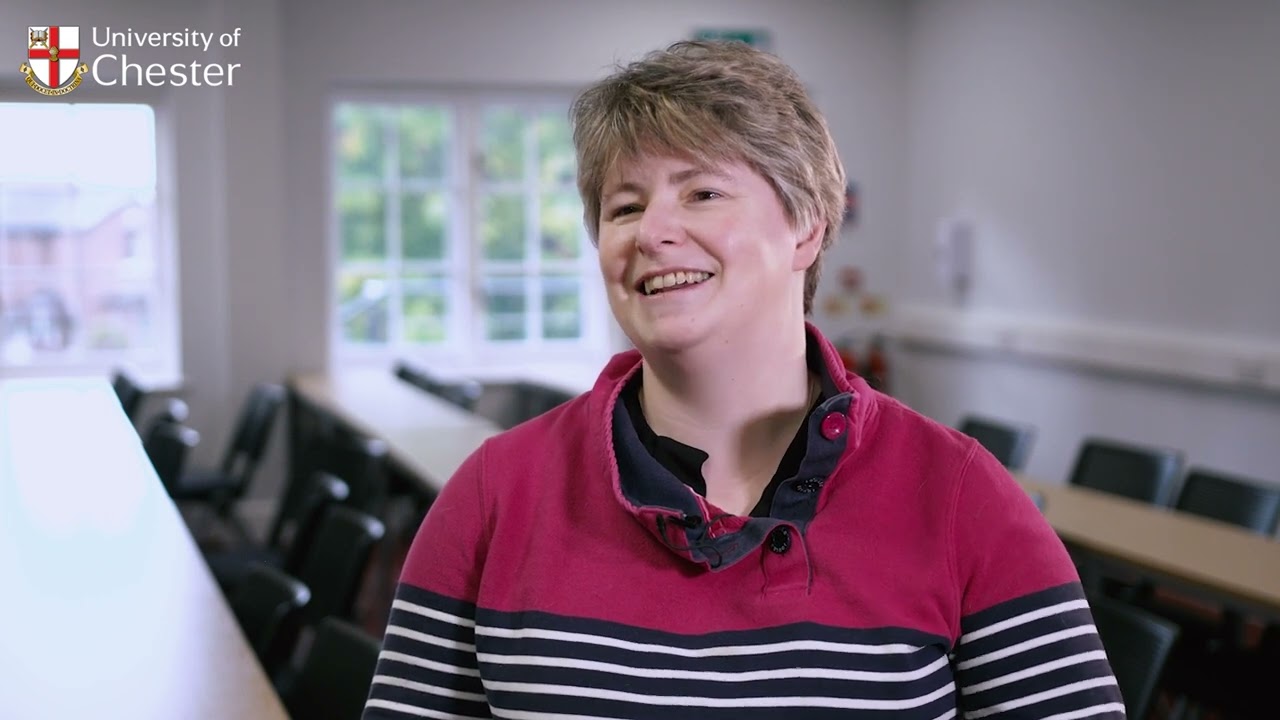
Doctor of Professional Studies (DProf) in Theology and Religious Studies
What You'll Study
One of the unique features of a professional doctorate is that you take a series of modules that introduce you to the different stages of the doctoral journey, therefore building the necessary theoretical, practical, and reflective skills you need to undertake an advanced research project.
You work with your cohort, and with a specialist supervisory team to guide and mentor you. This format, and being part of a community of researching professionals, supports your studies and helps you pass through the programme according to manageable deadlines.
The information listed in this section is an overview of the academic content of the course that will take the form of either core or option modules and should be used as a guide. We review the content of our courses regularly, making changes where necessary to improve your experience and graduate prospects. If during a review process, course content is significantly changed, we will contact you to notify you of these changes if you receive an offer from us.
How we teach at the University of Chester
Your Future Career
Job Prospects
This course supports practitioner-researchers who, with a doctorate and a research profile, can go on to achieve their personal and professional aspirations, and make a difference to their context.
Careers Service
The University has an award-winning Careers and Employability service which provides a variety of employability-enhancing experiences; through the curriculum, through employer contact, tailored group sessions, individual information, advice and guidance.
Careers and Employability aims to deliver a service which is inclusive, impartial, welcoming, informed and tailored to your personal goals and aspirations, to enable you to develop as an individual and contribute to the business and community in which you will live and work.
We are here to help you plan your future, make the most of your time at University and to enhance your employability. We provide access to part-time jobs, extra-curricular employability-enhancing workshops and offer practical one-to-one help with career planning, including help with CVs, applications and mock interviews. We also deliver group sessions on career planning within each course and we have a wide range of extensive information covering graduate jobs and postgraduate study.
Entry Requirements
A Master’s degree in Theology and Religious Studies or a related discipline is required.
Candidates not possessing a Master’s degree should have a 1st class or 2:1 honours degree and evidence of prior learning or experience equivalent to Master’s-level study.
Applicants not meeting these requirements are considered on a case-by-case basis.
A research proposal (maximum of two pages) is also required as part of your application.
A Master’s degree in Theology and Religious Studies or a related discipline is required.
Candidates not possessing a Master’s degree should have a 1st class or 2:1 honours degree and evidence of prior learning or experience equivalent to Master’s-level study.
Applicants not meeting these requirements are considered on a case-by-case basis.
A research proposal (maximum of two pages) is also required as part of your application.
See below for your country specific requirements. Please note, some programmes have special entry requirements and if applicable, these are listed below.
English Language Requirements
For more information on our English Language requirements, please visit International Entry Requirements.
Fees and Funding
£6,971per year full-time (2025/26)
The tuition fees for home students studying the Doctor of Professional Studies (DProf) in Theology and Religious Studies in 2025/26 are £6,971 per year.
£15,627per year full-time (2026/27)
The tuition fees for international students studying the full-time course in 2026/27 are £15,627 per year.
The University of Chester offers generous international and merit-based scholarships for postgraduate study, providing a significant reduction to the published headline tuition fee. You will automatically be considered for these scholarships when your application is reviewed, and any award given will be stated on your offer letter.
For more information, go to our International Fees, Scholarship and Finance section.
Irish Nationals living in the UK or ROI are treated as Home students for Tuition Fee Purposes.
Your course will involve additional costs not covered by your tuition fees. This may include books, printing, photocopying, educational stationery and related materials, specialist clothing, travel to placements, optional field trips and software. Compulsory field trips are covered by your tuition fees.
The University of Chester supports fair access for students who may need additional support through a range of bursaries and scholarships.
Full details, as well as terms and conditions for all bursaries and scholarships can be found on the Fees and Finance section of our website.
Dr Dawn Llewellyn
Associate Professor