

Close up of a bee in a field of flowers

With the rapid decline of global biodiversity and growing local, national and international demand for specialists with academic and practical wildlife conservation skills, our postgraduate course provides an opportunity to learn from conservation and research-active scientists with UK and international experience.  

We aim to build on and consolidate your existing skills/knowledge and offer exposure to advanced concepts and practical applications in wildlife conservation. This course is designed to improve your field and lab skills through work in the UK and further afield, while improving your knowledge of key concepts in conservation. You’ll be taught by experts and get hands-on experience alongside learning about cutting-edge research.  

Our staff are engaged in pioneering projects locally, nationally and globally, and have led the development of wildlife crime as an academic subject area. We are also involved in conservation of globally threatened species, such as Giant Pangolin, Grenada dove and Hispaniolan Amazon. 

You will be engaged in a peer-based learning environment that includes field and lab work, which will provide insights into key research in wildlife conservation. We will also focus on the development of your professional skills and profile for your future career, and encourage links and networking opportunities with practitioners in the field. 

 There is an option to choose a Project/Placement year for this course, at an additional cost.


Why You'll Love It

MSc Wildlife Conservation YouTube video

MSc Wildlife Conservation

Switch combined course content

Optional 2-year Master's To Suit Your Needs

Choosing a Professional Placement MSc is a win-win for your career, giving you the chance to get real experience, apply your cutting-edge skills in the workplace and stand out to future employers.

In the first year you will have help from the University to find a placement, whilst developing your expertise. You will then spend your second year out in industry on placement, getting the chance to work with industry professionals and grow your network of industry contacts. Bringing your university-acquired knowledge and insights to industry, you will get to make a difference to the workplace and make lasting links with your employer.

Students need to find and secure their own placement, supported by the University. A preparation module will also help you to get ready for your placement.

Please note, this course is available as a one-year master degree course, or as a Two-Year Master's Course with a Professional Placement or Project. Please carefully consider your options when applying for our one year or Two-year routes as successful international applicants will not be able to change between courses after a Confirmation of Acceptance of Studies (CAS) letter has been issued or after arriving in the UK.

What You'll Study

Core Modules

In this module you will learn about key areas of forensic techniques used in the investigation of wildlife crime, including methods and procedures used in wildlife crime scene investigation, the roles and responsibilities of individuals investigating wildlife crime cases and wildlife crime law and enforcement agencies. You will develop an appreciation of evidence identification, packaging and storage of physical evidence as well as practical experience of wildlife crime scene investigation through simulated small group exercises.

In this module you will learn about the process of identifying and diagnosing conservation problems and then you'll develop skills to tackle them. The Conservation Ecology module takes a holistic view of the science of biodiversity conservation, exploring the relationship between conservationists and stakeholders as well as the ecological relationships which will help us to confront conservation problems. You will explore the importance of landscape, population and community processes as well as cultural, socio-economic and political issues which are an integral part of conservation. The module takes an evidence-based approach which acknowledges the need for a wide-range of experience and expertise to produce robust conservation plans.

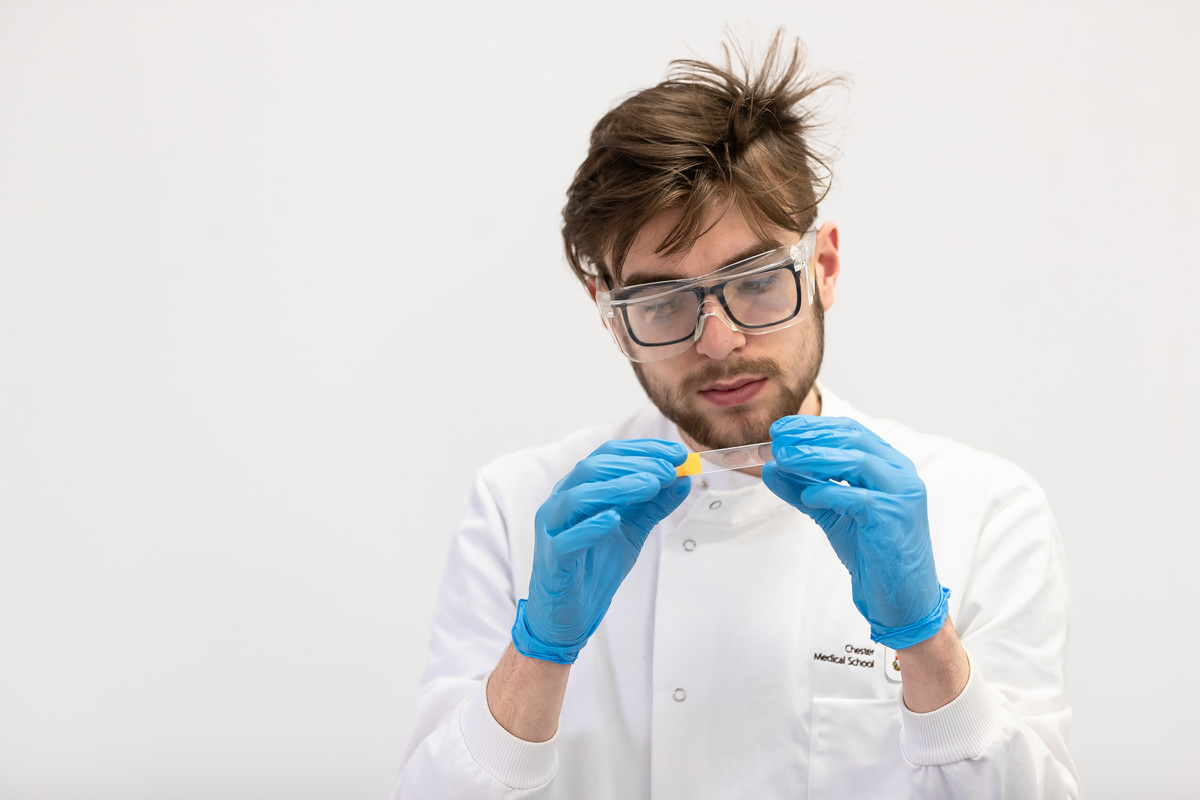
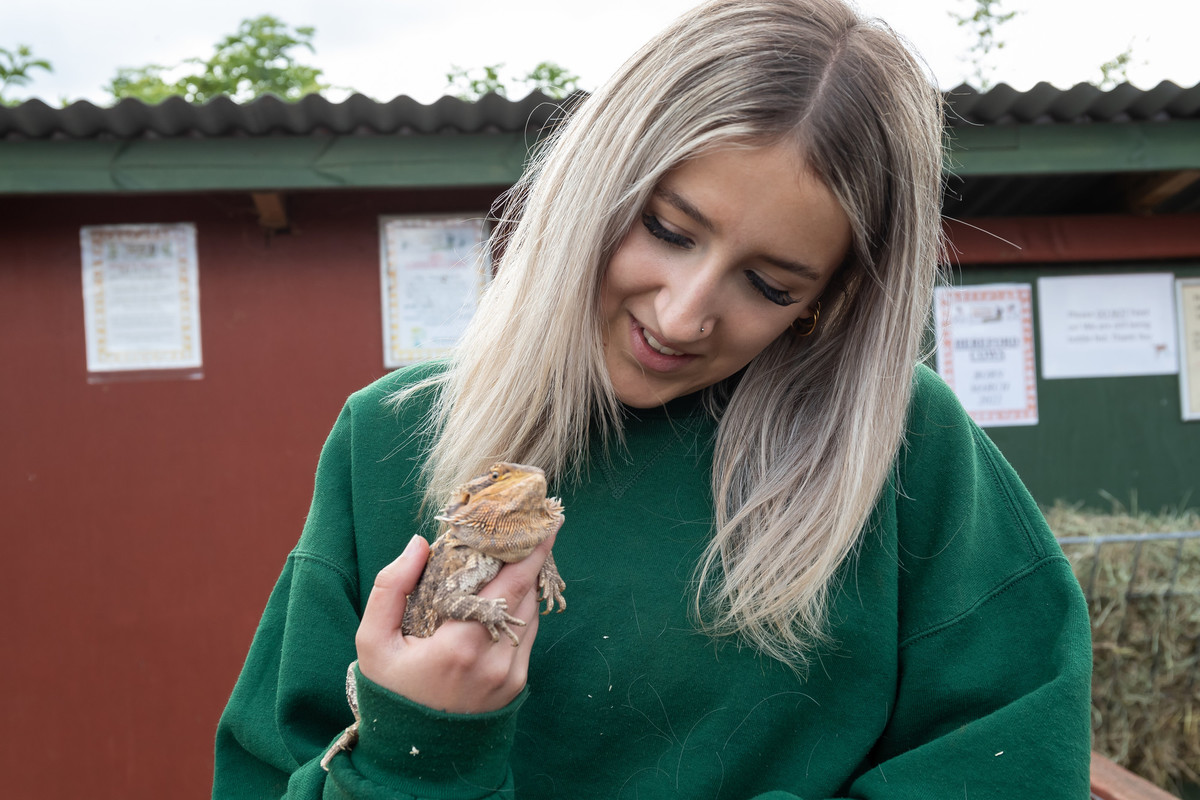
This module provides you with an overview of essential field methods in animal research and a basis for developing career-relevant practical skills. This includes planning, study design and a focus on developing your skills in estimating animal abundance and distribution, species identification, monitoring behaviour and quantifying habitats. 

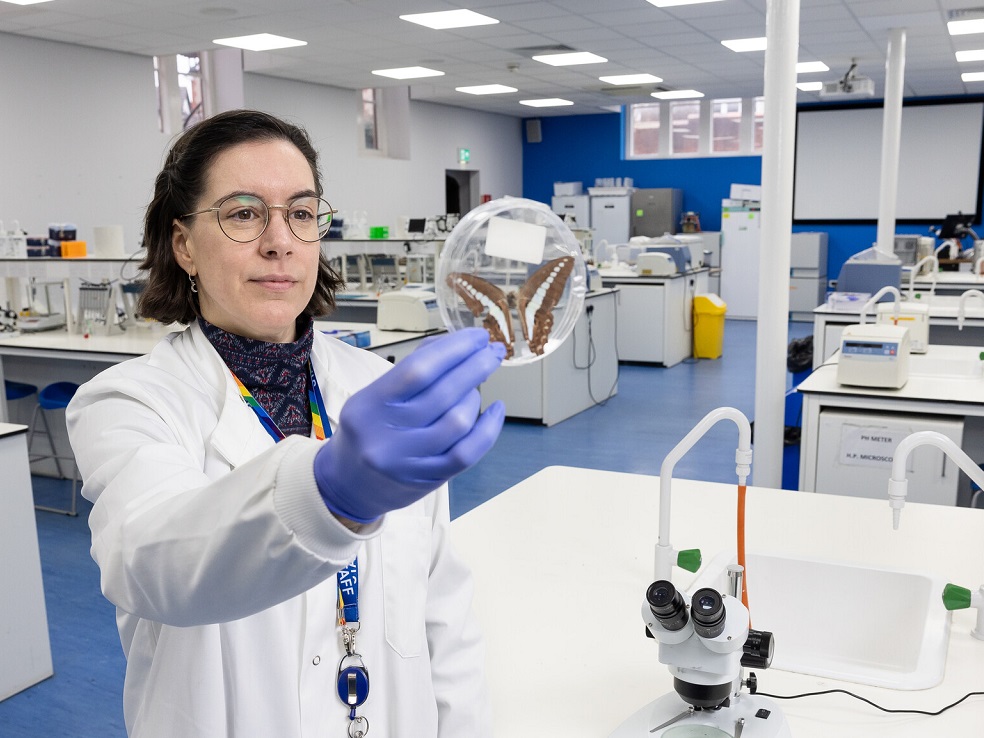
This module will provide you with a solid foundation in key laboratory techniques used in modern animal research, helping you to develop the practical skills and scientific understanding required for independent research and applied scientific careers. You will gain experience that integrates theory, hands‑on laboratory work, and data analysis, reflecting the way these methods are used by researchers and practitioners.

Throughout the course, you will be introduced to techniques commonly applied in molecular biology and animal physiology. You will progress from understanding core concepts to applying methods such as DNA extraction, PCR, and genetic marker analysis and physiological assays including cortisol ELISAs. The module also explores how these tools are used in evidence‑based conservation, wildlife monitoring, and animal management.

Emphasis is placed on developing good scientific practice, critical thinking, and attention to detail. You will be encouraged to understand not only how each technique works, but why it is used, and how to communicate your findings clearly and effectively in a scientific context.

This module explores the theory and practice of communicating science to a diverse range of audiences in contemporary contexts. Students will critically examine how scientific knowledge is translated across formats including written media, live engagement, and digital platforms such as podcasts and social media while developing their own communication and leadership skills.

Through a combination of workshops, interactive theory sessions, and hands-on experience (including engagement with external partners such as science education providers at Chester Zoo), students will learn to design and produce a range of science communication outputs. Emphasis is placed on developing a tool kit to allow adaptability in response to audience awareness, creation of effective and impactful narratives, clarity of language, and will encourage students to critique the role of the media and the ethical responsibilities of science communicators.

Another key aspect of this module focuses on leadership and professional development. Students will explore career pathways across academia, industry, media, and public engagement, while developing skills in project management, collaboration, and strategic communication. Opportunities for reflective practice and portfolio building will support students in articulating their expertise and preparing for careers in science communication and beyond.

By the end of the module, students will be equipped to critically evaluate science communication strategies, demonstrate leadership in collaborative communication settings, and create accessible, engaging, and impactful content tailored to different audiences and professional contexts.

This module introduces postgraduate level approaches to data analysis, integrating statistical and spatial techniques using R programming language and Geographic Information Systems (GIS). You will develop skills in data exploration, statistical modelling, and the analysis of spatially explicit ecological data, including both raster and vector formats.

Alongside analytical training, the module focuses on key considerations in scientific research, covering key research approaches (descriptive, analytical, and experimental). Emphasis is placed on project design, including hypothesis development, experimental structure, and methodological rigour, as well as critical consideration of ethical issues in research practice. The module will also provide guidance on the ethical and professional use of Generative AI within research and assessment, including academic integrity, transparency, critical evaluation of AI-generated outputs, and responsible use within scientific and professional contexts.

By the end of the module, you will be equipped to design, analyse, and interpret studies using advanced quantitative and spatial tools within a robust ethical and scientific framework.

Optional Modules

In this capstone module you will design and carry out an independent research project within a related field to your degree. It will provide you with an opportunity to apply theoretical knowledge and methodological skills to a focused, discipline-relevant research question developed in collaboration with an academic supervisor.

The project will require you to undertake a critical review of current scientific literature, refine a research question or hypothesis, and select appropriate experimental design approaches that you will have learnt from your other modules. Projects can include field-based observational, laboratory-based or desk-based studies.

The module emphasises scientific rigor, ethical research practice and the practical realities of conducting research in laboratory, field, or industry settings. You will be expected to manage all stages of the research lifecycle, including planning, ethical and health and safety considerations (including ethical consideration in regards to Artificial Intelligence), data collection, statistical analysis, interpretation, and academic writing, with guidance from your supervisor.

One-to-one supervisory support is provided through regular meetings to guide you in project development, to ensure methodological robustness, and support your development in analytical and writing processes, while maintaining your independence. The final output is a dissertation that demonstrates originality, critical thinking, and the ability to contribute meaningfully to knowledge in your field.

This module prepares you for careers in research, industry or progression to doctoral study.

The information listed in this section is an overview of the academic content of the course that will take the form of either core or option modules and should be used as a guide. We review the content of our courses regularly, making changes where necessary to improve your experience and graduate prospects. If during a review process, course content is significantly changed, we will contact you to notify you of these changes if you receive an offer from us.

How You'll Learn

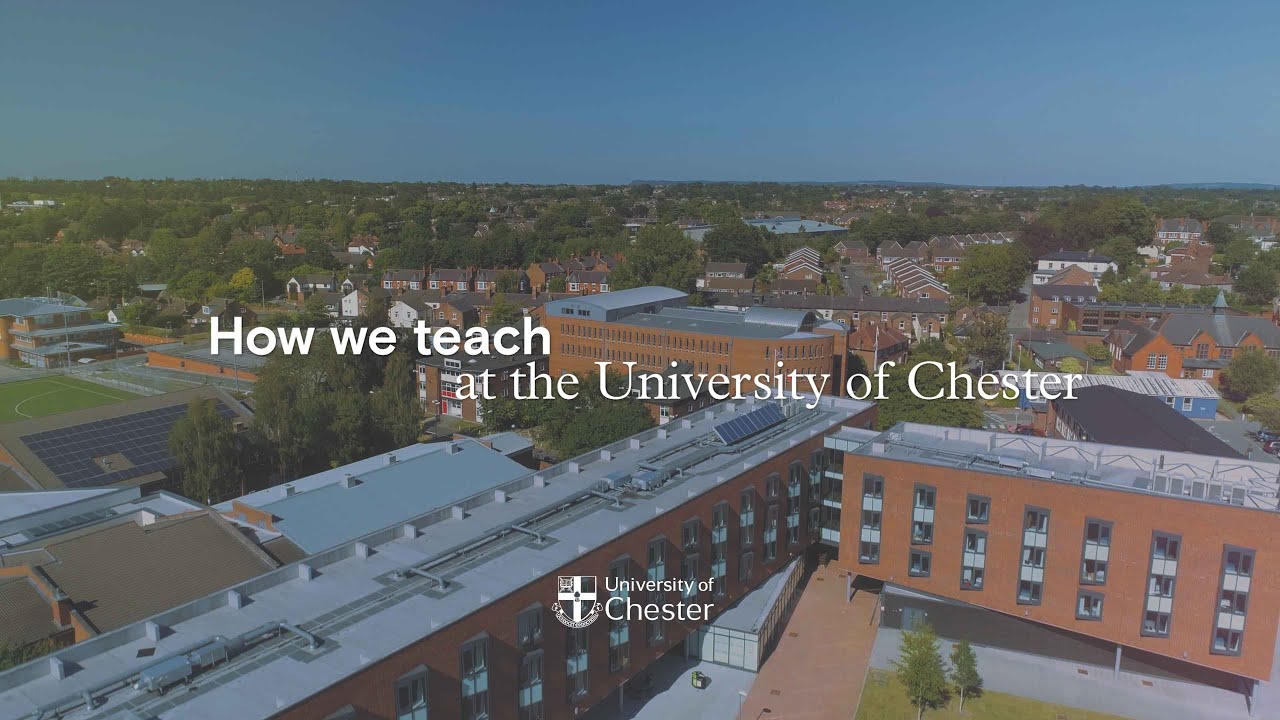
An aerial photograph of Exton Park with the text 'How we teach at the University of Chester'

How we teach at the University of Chester

Teaching  

Teaching is delivered through Moodle (the University's online platform for teaching); internet discussion boards; and residential school, including lectures, lab sessions, field trips and tutorials. 

Assessment 

Assessment is via lab/essay assignments; critical assessments/reviews; research/funding proposals; multiple-choice quizzes/short answer questions; field reports; individual/group oral presentations; and preparation and presentation of posters. There are no final examinations. 

Your Future Career

Job prospects

A postgraduate qualification in Wildlife Conservation will prepare you for a wide range of career opportunities. The MSc programme can also be an important foundation for continued education and research.  

Examples of employment opportunities include: 

  • Ecologist (e.g., surveying protected species)
  • Conservation practitioner (e.g., for national or international conservation charities or government organisations)
  • Protected area manager (e.g., ranger or biodiversity officer for a local authority)
  • Research scientist (e.g., with universities, laboratories or conservation charities)

Careers service

The University has an award-winning Careers and Employability service which provides a variety of employability-enhancing experiences; through the curriculum, through employer contact, tailored group sessions, individual information, advice and guidance.

Careers and Employability aims to deliver a service which is inclusive, impartial, welcoming, informed and tailored to your personal goals and aspirations, to enable you to develop as an individual and contribute to the business and community in which you will live and work.

We are here to help you plan your future, make the most of your time at University and to enhance your employability. We provide access to part-time jobs, extra-curricular employability-enhancing workshops and offer practical one-to-one help with career planning, including help with CVs, applications and mock interviews. We also deliver group sessions on career planning within each course and we have a wide range of extensive information covering graduate jobs .

Beyond the Classroom

This course includes a residential field course where you’ll get to put your field survey, identification and monitoring techniques into practice. 

Entry Requirements

Honours Degree

Applicants should normally possess an honours degree (minimum 2:2) in a biological/behavioural/ecological science (or demonstrate equivalent experience in a related field, e.g. animal behaviour, conservation biology, zoology) including components of experimental design and statistical analysis.
Students with a minimum 2:2 undergraduate degree in an unrelated area must demonstrate on application that they have equivalent experience in a related field, e.g. wildlife conservation, habitat or protected areas management, or ex-situ conservation.

Prior Work/ Voluntary Experience

Applicants will have relevant experience in the field.

Interview

Applicants may be interviewed

Students from outside the UK are expected to hold qualifications broadly equivalent to UK standards - a Bachelor's degree (or equivalent) for postgraduate study.

To help you interpret these equivalents, please select your country/region of residence. This will provide details on equivalent entry requirements, as well as information about local representatives, events, and key contacts.

We accept a wide range of qualifications and assess all applications on an individual basis. Relevant work experience may also be taken into consideration where appropriate.

For more information on English entry requirements, including accepted qualifications, please visit International Entry Requirements.

IELTS

6.5 (Min 5.5 in each sub-skill)

Honours Degree

Applicants should normally possess an honours degree (minimum 2:2) in a biological/behavioural/ecological science (or demonstrate equivalent experience in a related field, e.g. animal behaviour, conservation biology, zoology) including components of experimental design and statistical analysis.
Students with a minimum 2:2 undergraduate degree in an unrelated area must demonstrate on application that they have equivalent experience in a related field, e.g. wildlife conservation, habitat or protected areas management, or ex-situ conservation.

Prior Work/ Voluntary Experience

Applicants will have relevant experience in the field.

Interview

Applicants may be interviewed

Fees and Funding

£9,990 for a full-time course (2026/27)

The tuition fees for home students studying courses in 2026/27 are £9,990 per year.

The professional placement/project year will cost an additional £2,750, due at the start of the second year of the course.

Guides to the fees for students who wish to commence postgraduate courses are available to view on our Postgraduate Fees page. Here you will also find information about part-time fees and project/placement year fees.

£18,500 full course fee (2026/27)

The tuition fees for international students studying Postgraduate programmes in 2026/27 are £18,500.

Irish Nationals living in the UK or ROI are treated as Home students for Tuition Fee Purposes.

For more information about International fees for Postgraduate study, go to our International Fees, Scholarship and Finance section.

Who You’ll Learn From

Dr Matt Geary

Associate Professor
Dr Matt Geary

Chris Davis

Senior Lecturer
Chris Davis

Dr Lottie Hosie

Senior Lecturer
Dr Lottie Hosie

Kev Palmer

Lecturer
profile picture of Kevin Palmer

Dr Jordan Ryder

Senior Lecturer
Dr Jordan Ryder

Enquire about a course