Inspiring Eco-Minded Passions in Others- Rebecca's Chester Journey
Natural Hazard Management student, Rebecca, talks through her experience at Chester as well as her current career as a Youth and Environment Manager, with some advice for future students.
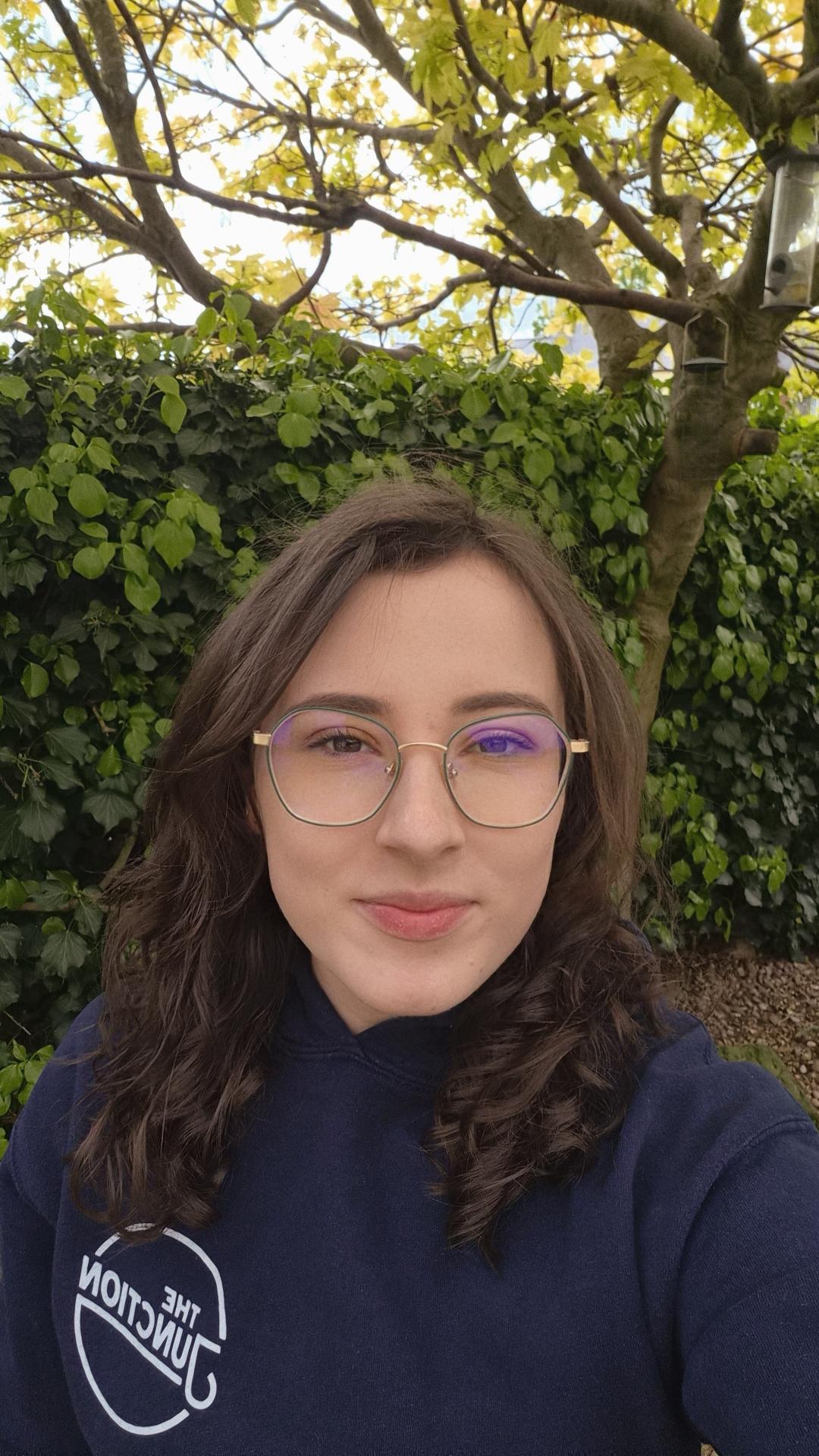
What did you study at Chester?
I studied Natural Hazard Management at Chester.
What are you doing now?
I currently work as the Youth & Environment Manager at The Junction Foundation, a charity which empowers children, young people and families to embrace life with confidence, and face life’s challenges in a positive way. In this role, I manage our Social Action and Youth Work services, including the All Our Futures and Blue Influencer Projects, Middlesbrough Youth Mutual Youth Forum, and Open Access and Detached Youth Work.
My role is incredibly varied, from supporting youth sessions, managing budgets and writing reports to shaping policy, developing new projects, building partnerships, organising events and safeguarding children and young people. Until recently, I also coordinated the All Our Futures project, which supports children, young people and families to connect with nature and take positive climate action in their local communities. It's been incredibly rewarding to help create opportunities for young people to develop their confidence, influence environmental action and make a real difference where they live.
What is a standout memory from your time at university?
My standout memories from University has to be the international field trip. In my third year, I had the opportunity to visit Naples.
In Naples, we explored the legacy of the eruption of Mount Vesuvius, visiting sites including Pompeii and Ercolano to understand how the eruption in 79 CE shaped the region and the risks that communities living around the volcano still face today. Climbing Mount Vesuvius really brought home the scale of the hazard and the number of people who could be affected if it were to erupt again, and it was an incredible opportunity to see first-hand the topics we had been studying in lectures.
This trip gave me the chance to travel and experience new places with my course mates, and it helped shape my future career. The trip reinforced my interest in the relationship between natural hazards, development and communities, and gave me the confidence that I wanted to pursue a career focused on creating positive social and environmental change.
What were the best things about your course?
One of the best things about my course was exploring the relationship between people and the natural environment, particularly the intersection between natural hazards and the communities they affect. I found it fascinating to learn not only how events such as earthquakes and tsunamis shape the development of communities, but also how the way communities develop can influence the impact of these hazards. This interest ultimately inspired my undergraduate dissertation, which explored the impact of the 2010 Haiti earthquake on access to healthcare. As part of my research, I worked with a researcher in Haiti who collected questionnaires from members of the public and healthcare professionals, allowing me to explore both the immediate effects of the earthquake and the long-term impact a decade later. Although some of the responses were difficult to read, particularly given the ongoing challenges Haiti has faced since 2010, the project was incredibly rewarding. It reinforced my understanding of the close connection between people and the planet, whilst showing me how research can help us better understand complex issues and contribute to positive change.
What skills from your course do you use today?
Although I've taken what might be considered a less traditional career path, Geography is still at the heart of what I do. In particular, my work on the All Our Futures and Blue Influencers social action projects focuses on empowering young people to become changemakers by leading environmental action in their local communities. The knowledge I gained during my degree, particularly around climate change and the natural environment, has been invaluable in developing, delivering and evaluating projects and workshops that reflect the interests and priorities of the young people and communities we work with. I also chair The Junction's Environment and Sustainability Committee, which gives me another opportunity to apply my geographical knowledge and continue learning, whilst helping the organisation work as sustainably as possible.
Alongside this subject knowledge, I use many of the practical skills I developed during my degree on a daily basis. These include analysing data, writing reports, designing and carrying out research projects, critically evaluating findings, and using fieldwork techniques such as observation, interviewing and presenting results. Just as importantly, my course helped me develop transferable skills including communication, teamwork, leadership, resilience, confidence and IT skills, all of which have been essential throughout my career so far. Looking back, I don't think there's a role I've had where I haven't drawn on the skills and experiences I gained through my degree, and the volunteering opportunities I took part in alongside.
What advice would you give to future students?
The advice I give is always the same! First, make the most of LinkedIn- it is one of the best resources available to you. When I wasn't sure what I wanted to do after university, I reached out to professionals working in roles I thought I might be interested in. Those conversations opened up unexpected opportunities, and everyone I contacted was incredibly generous with their time, sharing how they had entered their sector and suggesting different opportunities to explore. Second, I would strongly recommend volunteering. The wide range of volunteering I did throughout school and university played a huge role in helping me secure my first job. It also gave me the chance to try different types of work, build valuable skills and confidence, and support some fantastic organisations along the way. Finally, don't panic if you don't know exactly what you want to do after graduation. Since leaving university, I've worked in three very different roles, each of which has taught me something new and helped me better understand what I'm passionate about. It's perfectly OK not to have everything figured out straight away!
Make sure to check out our Geography course pages to see how you can apply for a course that will help you get a career inspiring others to take care of our planet.