Learning on the Job: My Experience with Work Placements
Isabel is nearing the end of her Bioveterinary Science course at Chester. Here, she shares her experiences of the work placements she undertook as part of her second-year modules.
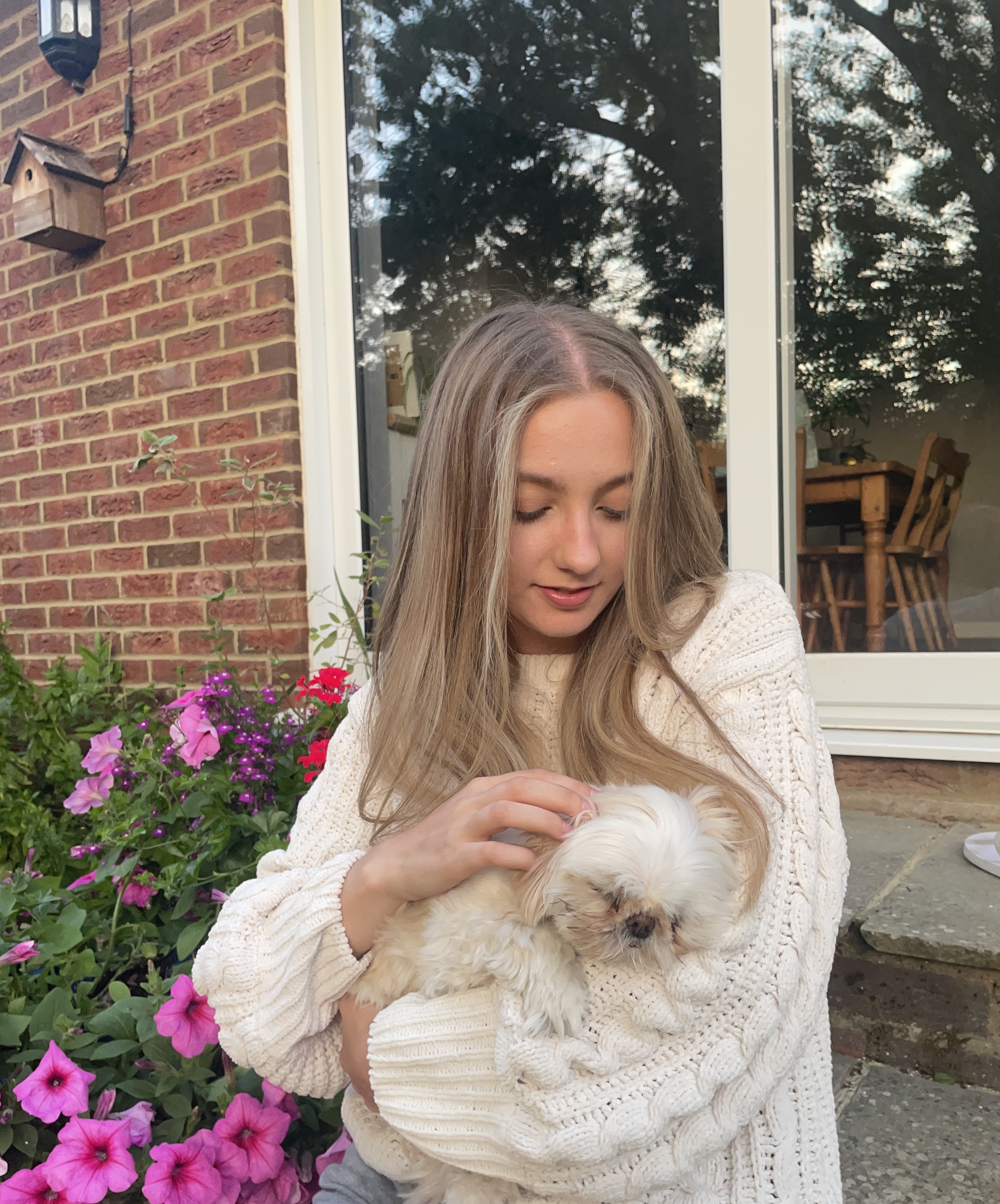
Hi, I'm Isabel, a Bioveterinary Science student at the University of Chester and originally from Kent. Last year I undertook two work placements as part of one of my modules; I spent a week at an equine hospital and two weeks at a small animal practice. I was initially quite apprehensive about completing a work placement – I guess the idea of being in an unfamiliar environment and not entirely knowing what to expect was unsettling. But this experience turned out to be one of my most rewarding and enjoyable of university so far.
Initial Expectations
I think my hesitation towards this module stemmed from placements I undertook at veterinary practices when I was 16. I remember enjoying them but also the awkwardness of observing procedures, not knowing how to get involved, or what questions to ask. Typically, I would just stand there silently and hover until there was something I could watch. Therefore, I wanted to approach this experience differently; I wanted to communicate with the vets and nurses as well as having the initiative and confidence to ask staff if I could do anything to help or get involved. And honestly, this change in my perspective led to an amazing experience.
A Typical Day
My days were extremely varied because I was able to observe any scheduled procedures that I was interested in. This flexibility meant introducing myself to the vets leading the case and figuring out what to do between appointments, which was originally quite daunting. However, all the vets were extremely welcoming, willing to teach, and passionate about their work, which was so encouraging.
I observed a wide range of diagnostic procedures such as ultrasounds, endoscopies, lameness workups, and dentals, as well as surgeries such as a tie back surgery, colic surgery, and a laparoscopic spay. Between these procedures, I offered my time to the yard staff and vet nurses carrying out tasks that are essential to the smooth running of a veterinary practice such as restocking medical equipment, mucking out, filling hay nets and wiping surfaces.
The Value of a Question
Although witnessing varied procedures was interesting, I learnt most from questioning and discussing cases with the vets – most notably, during a lameness workup. Initially, I had no idea what the vet was looking for or why each stage of the workup was conducted. However, by conversing with the vet, I learnt that the initial trot highlights if there is any pain through signs like head tilting, tail swishing or an irregular trot rhythm. Additionally, forelimb lameness is indicated by head nodding and hindlimb lameness by uneven hip movement. Lunging the horse on a softer surface emphasised soft tissue injuries, and lunging the horse in tight circles intensified the strain on the inside leg. I was able to take the knowledge used from this discussion and identify pain alongside the vet when observing lameness workups later in the week. So truthfully communicating with the vets allowed me to gain a deeper understanding into how vets work logically towards a diagnosis, enhancing the value of this experience.
My Top Tips for Succeeding on a Work Placement
My main tips for a work placement are firstly to follow up email applications with a call to expedite your application and secure your placement. Most workplaces are extremely busy, so this helps them know that you're keen.
Finding a placement that allowed me to link my theoretical knowledge to a practical setting meant I was interested and gave me a feel for a potential career, so I would recommend considering these aspects when choosing a placement.
Before my placement, I underestimated how much people enjoy talking with you about their profession when prompted. So, ask questions! Additionally, asking staff if they want any help was greatly appreciated.
Lastly, making notes on certain cases, tasks, and skills I used that day aided me when writing my assignment.
What's Next...
Was this my most challenging module of the year? Yes, absolutely. Was this my most rewarding and valuable module? Also, yes. This placement improved my confidence, communication and consolidated my plans to apply for a veterinary medicine degree.
Going into my third year, my modules all possess a clinical focus, which will support my application and theoretical knowledge base needed for interviews. Alongside this, my dissertation will concentrate on the strategies used in UK veterinary waiting rooms to reduce companion animal anxiety. This will build on observations made during my small animal placement and the conclusions will hopefully improve future veterinary care and practice.