New discoveries at Rossett Roman villa shed light on life in Roman Wales
Archaeologists have uncovered significant new evidence about life in Roman Wales following the latest excavation at the site of the first confirmed Roman villa discovered in North Wales.
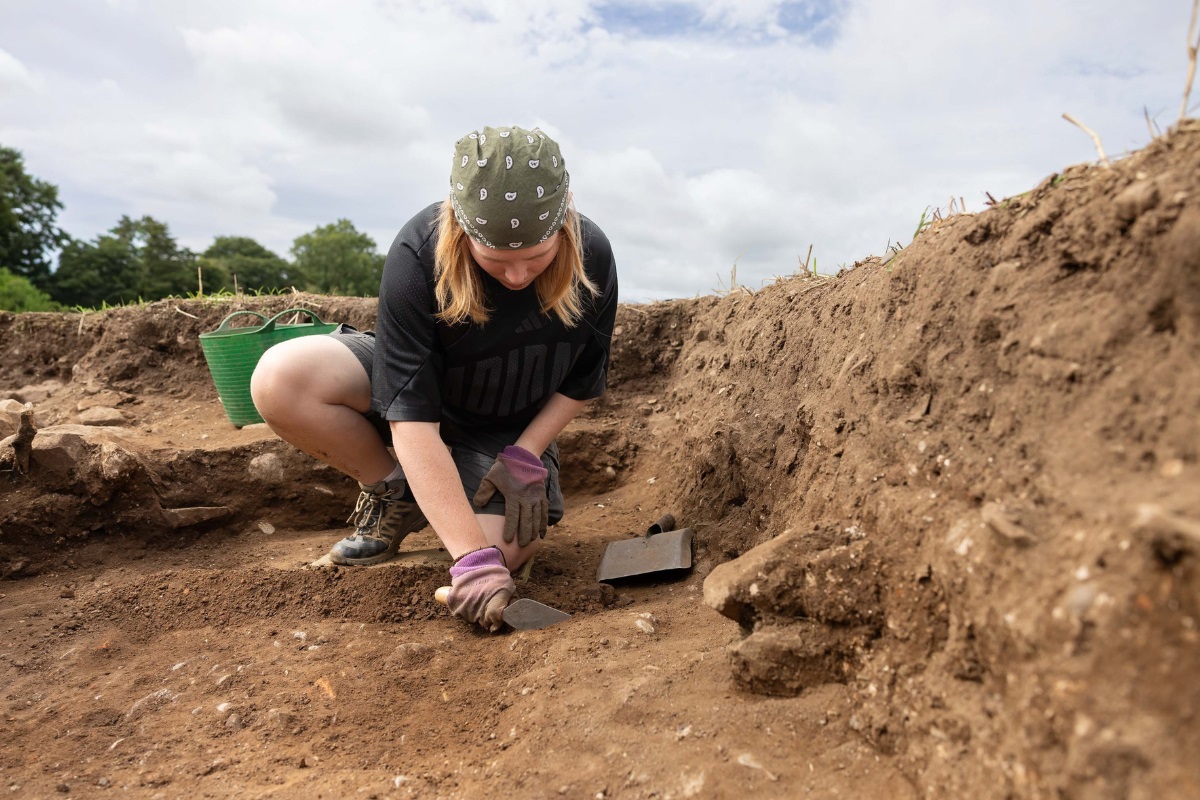
The University of Chester and DigVentures worked together for the recent archaeological dig at Rossett, near Wrexham, after a successful crowdfunding campaign helped support further investigation of the nationally significant site.
The latest excavation builds on research first sparked by the discovery of a lead ingot by a metal detectorist in 2019. Subsequent investigations by the University of Chester and Archaeological Survey West uncovered Roman flooring, ceramics and other artefacts which led to the identification of a substantial Roman villa complex, challenging previous assumptions about the extent of Roman wealth and settlement in the region.
This year’s excavation has revealed new details about the development of the villa, the people who lived there and evidence of activity that predates the construction of the high-status residence.
Students from the University of Chester worked alongside professional archaeologists, local volunteers and crowdfunding participants throughout the excavation, gaining hands-on experience in excavation, recording and finds processing. The project is being carried out in collaboration with Wrexham Museum, the Portable Antiquities Scheme, PAS Cymru and Heneb: The Trust for Welsh Archaeology.
Among the standout discoveries was a complete quern stone, used for grinding grain, which was found in layers beneath the stone-built villa.
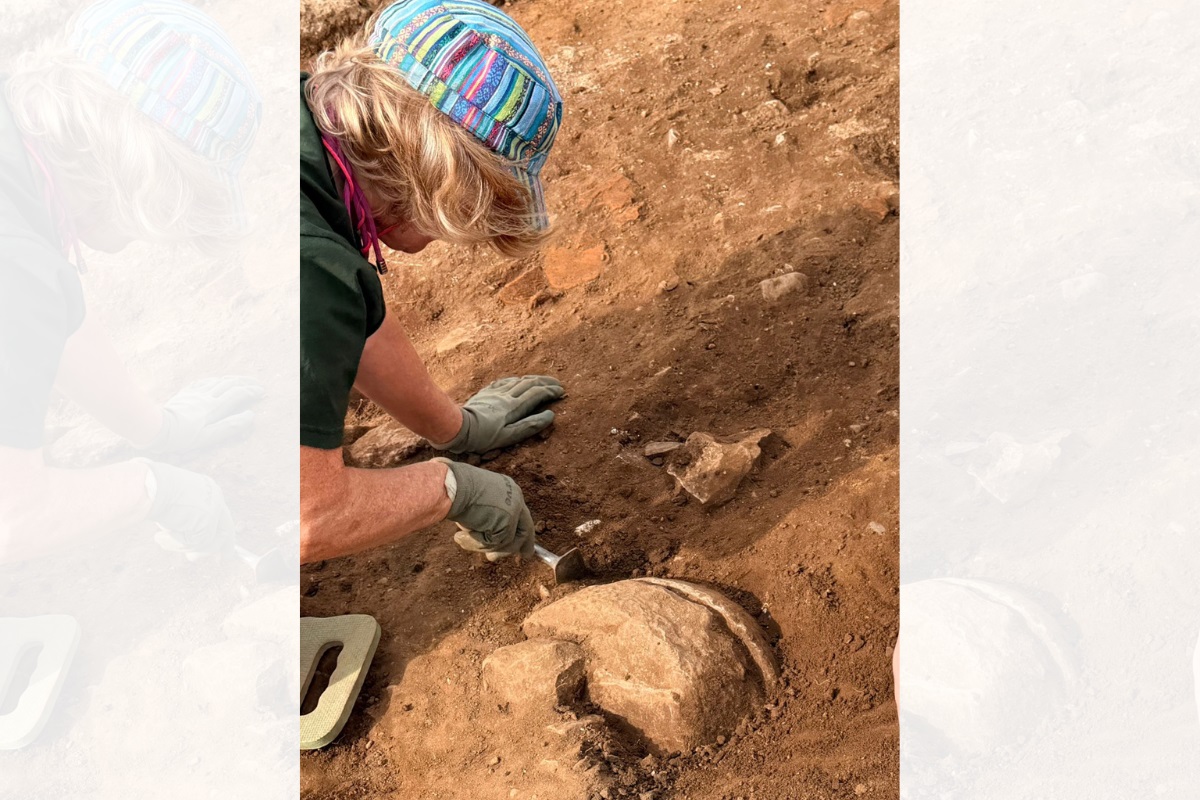
Ben Swain, Project Manager and co-Site Director for DigVentures, said: “The complete quern stone was a star find this year, but where it was found was just as important as the artefact itself. It came from a layer that pre-dates the stone construction of the villa, telling us something about what was happening on the site before the villa was built. The villa clearly wasn’t the earliest thing here.”
Dr Caroline Pudney, Senior Lecturer in Archaeology at the University of Chester, Academic Lead and co-Site Director, added: “Finds like the quern stone allow us to look beyond the villa itself and begin exploring the much longer history of human activity in this landscape. Each season of excavation is revealing new layers of the story and helping us understand how communities adapted and developed in this part of Roman Britain.”
Archaeologists also uncovered evidence showing that the main villa building was altered and expanded over time, rather than being constructed in a single phase. Excavations revealed a remarkably well-preserved Roman building containing intact floor levels and remains of a hypocaust heating system.
Ben said: “It’s clear the main villa building was built in phases and changed layout over time. Different parts of the building were adapted and likely served different functions. The preservation of the building in Trench 1 exceeded our expectations. We found intact Roman floor levels and evidence of hypocaust heating surviving. It’s a complex building that appears to have changed significantly through its use-life and it seems likely that, at one point in its life, it functioned as a bath house.”
Caroline added: “What is particularly exciting is that we are beginning to understand just how dynamic this site was. Rather than representing a single moment in time, the archaeology is revealing a villa complex that evolved over generations, reflecting changing needs, ambitions and lifestyles.”
Finds from across the site, including pottery, coins, animal bones, building materials and painted wall plaster, point to a community with considerable wealth and connections to wider Roman trade networks.
Ben said: “The people living here had the wealth to construct and maintain features such as hypocaust heating systems and rooms decorated with painted plaster. They were enjoying many of the comforts associated with Roman lifestyles and seem to have been part of a community with access to resources and connections beyond the immediate area.”
Caroline said: “The quality of the buildings and artefacts reinforces the growing evidence that Roman influence in this region was more extensive than previously understood. Sites like Rossett are helping to challenge traditional assumptions about the distribution of wealth and status in the western frontier zone of Roman Britain and are showing that communities here were closely connected to the wider Roman world.
“Providing students with the opportunity to work on an active research excavation is invaluable. They have contributed to every aspect of the project while developing the practical skills and experience that are essential for careers in archaeology and heritage.”
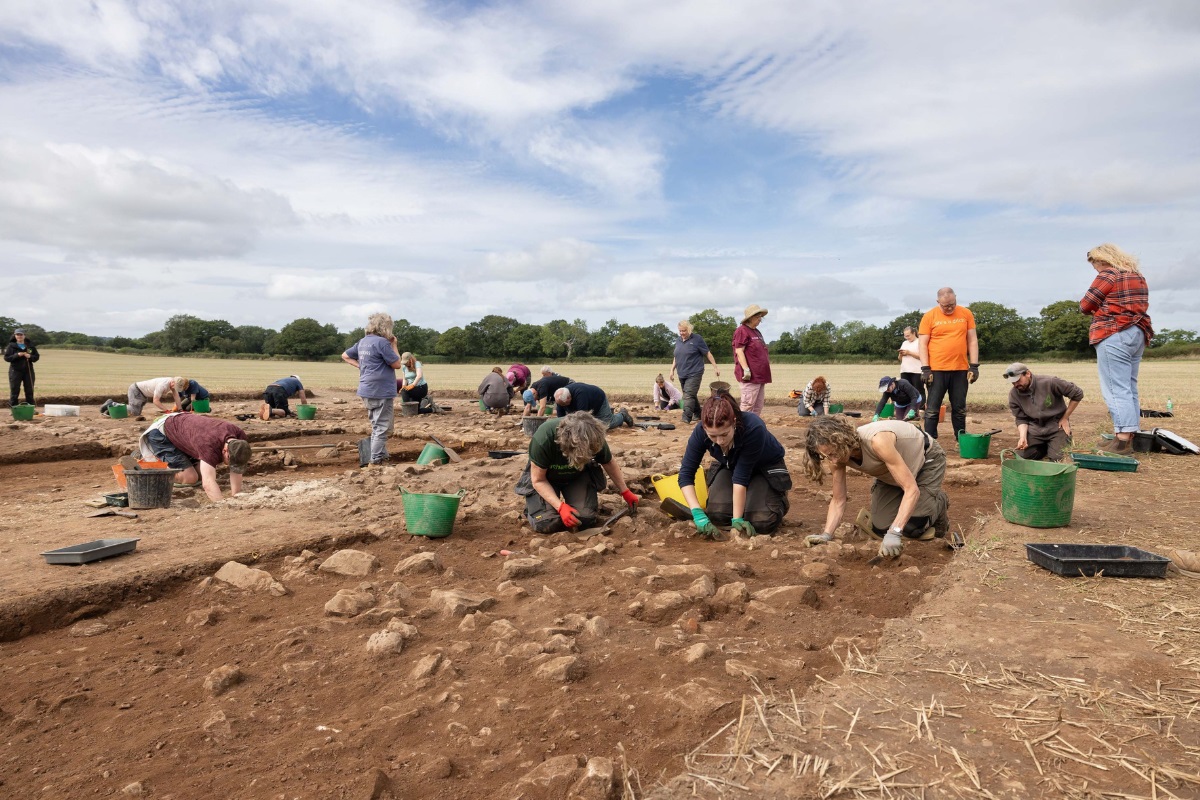
The excavation also attracted strong public interest, with open afternoons and guided site tours drawing visitors from across the region. Public open afternoons were fully booked with feedback from participants overwhelmingly enthusiastic, demonstrating how much local people value both the site itself and the opportunity to be part of uncovering its story.
Caroline said: “One of the most rewarding aspects of this project has been sharing discoveries with local communities. Making what we do and find accessible to the public is a vital part of archaeology, and it has been fantastic to see so many people taking an interest in the history of their area and supporting the research.”
While the latest discoveries have answered some questions, many remain. Ben said: “We’ve uncovered tantalising clues about activity that took place before the villa was constructed, but we’re still trying to understand exactly what that looked like. There are also indications that the villa complex may be more extensive and better preserved than originally thought.
“I’d love to return to the building in Trench 1 to learn more about its layout, function and relationship to the wider villa complex. We also need to understand more about what came before the villa and whether there are additional ranges of buildings still waiting to be discovered.”
The excavation team has now entered the post-excavation phase, analysing finds, environmental samples and archaeological records gathered during the fieldwork. The results will contribute to a detailed report that will be made publicly available and will help shape plans for further research and excavation in 2027.
Caroline said: “Rossett continues to raise fascinating questions about Roman settlement in North Wales. The post-excavation analysis will help us understand the site’s development in greater detail and guide future investigations. We are only beginning to appreciate the full significance of what survives here, and there is still much more to discover.”
Main and last image: The archaeological dig at the site of the Roman villa in Rossett.
Middle image: The quern stone being excavated.