Range of workshops allow students to explore natural world at night
A project at the University of Chester has been inspiring young people to discover and learn about nature after dark.
The Nature at Night project, which aims to encourage young people to experience and record the natural world during the hours of darkness, has hit several milestones this year through creative activities, bat-detector-making workshops, and citizen science.
The team of Dr Daniel Bos (Geography and Environment), Dr Rebecca Collins (Geography and Environment), Dr Christina Stanley (Natural Sciences) and student research assistants Chantelle Steele and Pimpen Irlam received initial funding from the Engineering and Physical Sciences Research Council (EPSRC) via its Ecological Citizen Networks funding stream to help realise the project.
The project started by taking small groups of students on walks around the University’s Exton Park campus at dusk, using bat detectors to translate bats’ echolocation into audible sounds. This allowed them to locate and observe common pipistrelle bats going about their business and later reflect on their experience. The conversations following these walks inspired later activities aimed at connecting young people with nature at night.
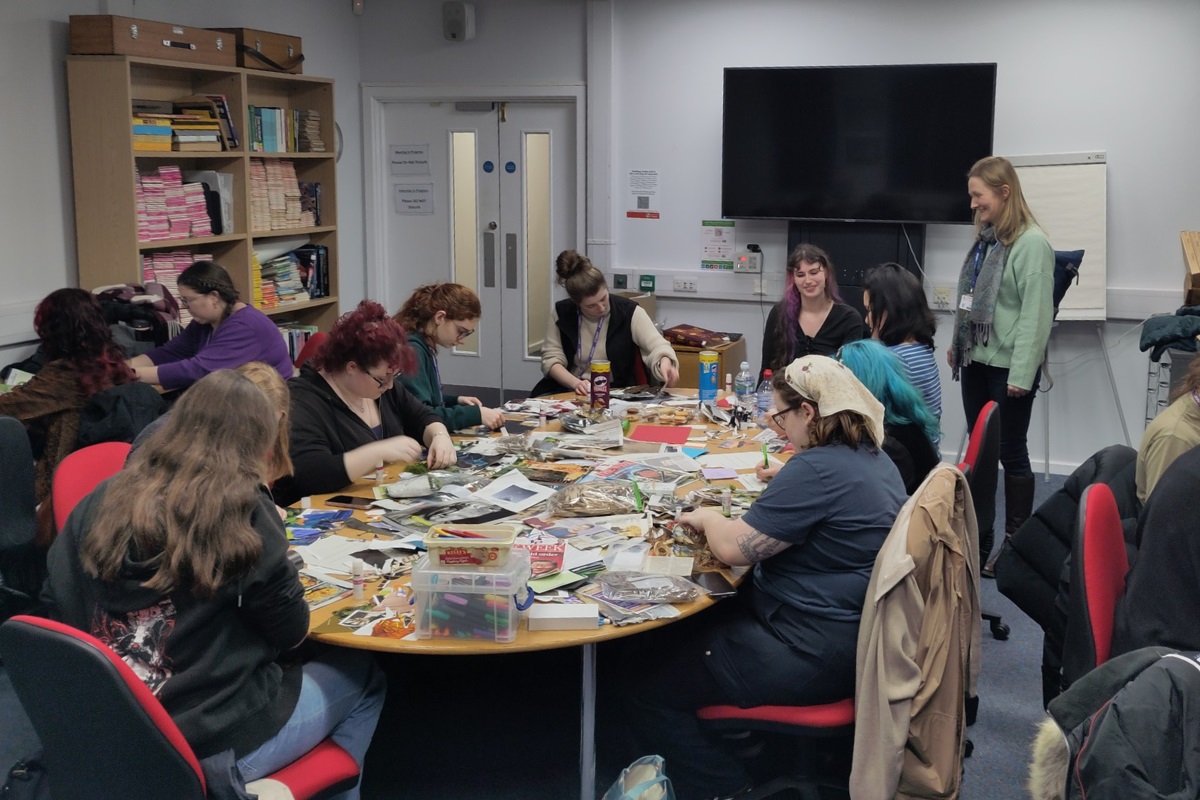
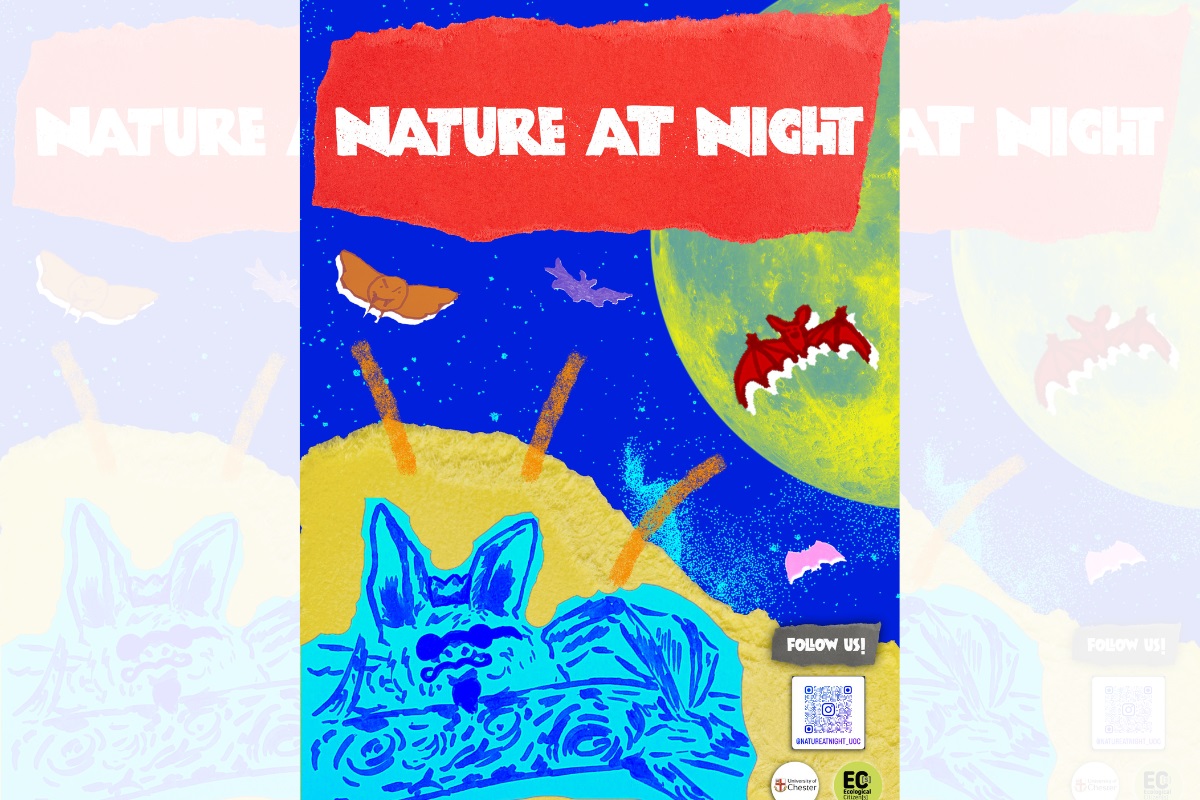
The team hosted a series of collage workshops where more than 30 students created collages expressing what nature at night means to them. Their input was then produced as a zine and showcased at this year’s Festival of Ideas, Chester and the Ecological Citizens Festival, Derby. The zine is also being circulated among environmental organisations to help them better understand young people’s experience of the night.
Christina said: “As a behavioural ecologist, the focus of my work is on the behaviour of the animals that we share our world with. I love to share my passion for the natural world with others.
“This project highlighted some of the barriers to engaging with nature that are experienced by young people, such as not feeling safe to spend time in the quieter, wilder parts of our urban landscape in the darker evenings. I hope we can help in some way to overcome some of these obstacles so that more people have the opportunity to connect with nature.”
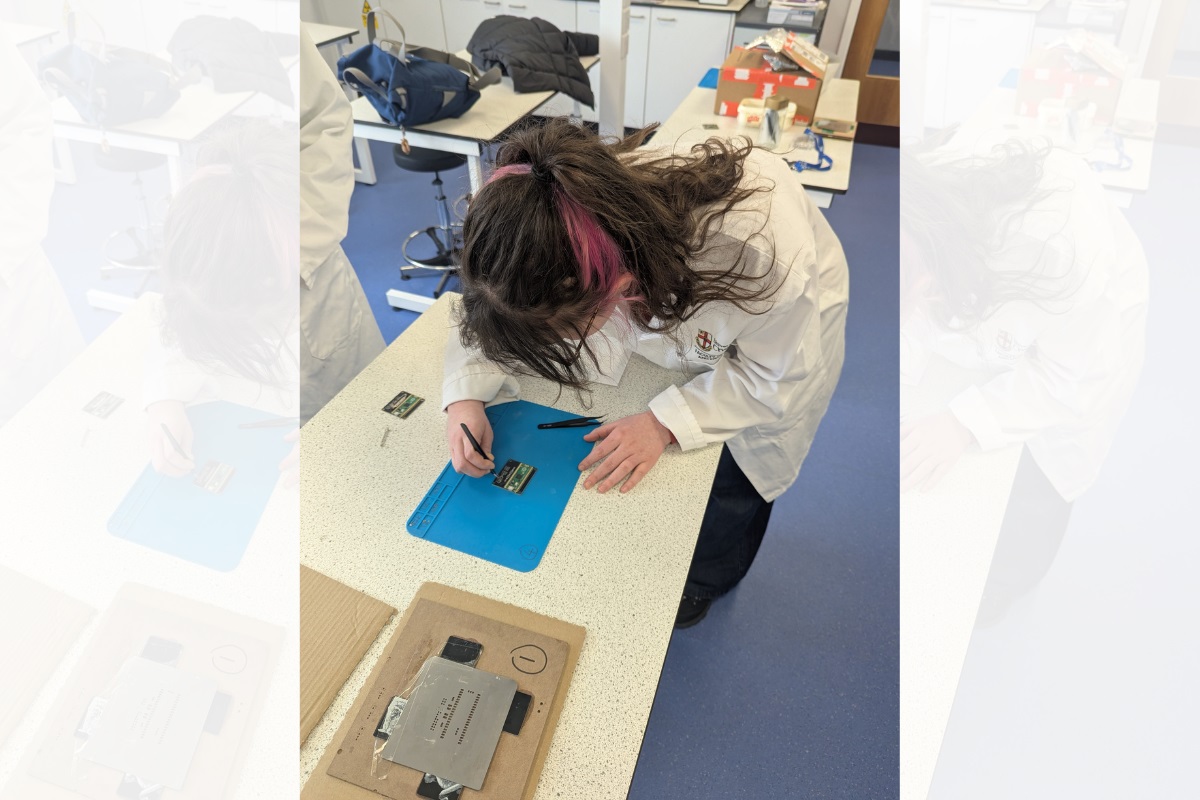
Alongside the zine, the Nature at Night team organised several workshops where students designed and made their own bat detectors, based on the design of Phil Atkin, owner of self-build bat detector website www.pippyg.com.
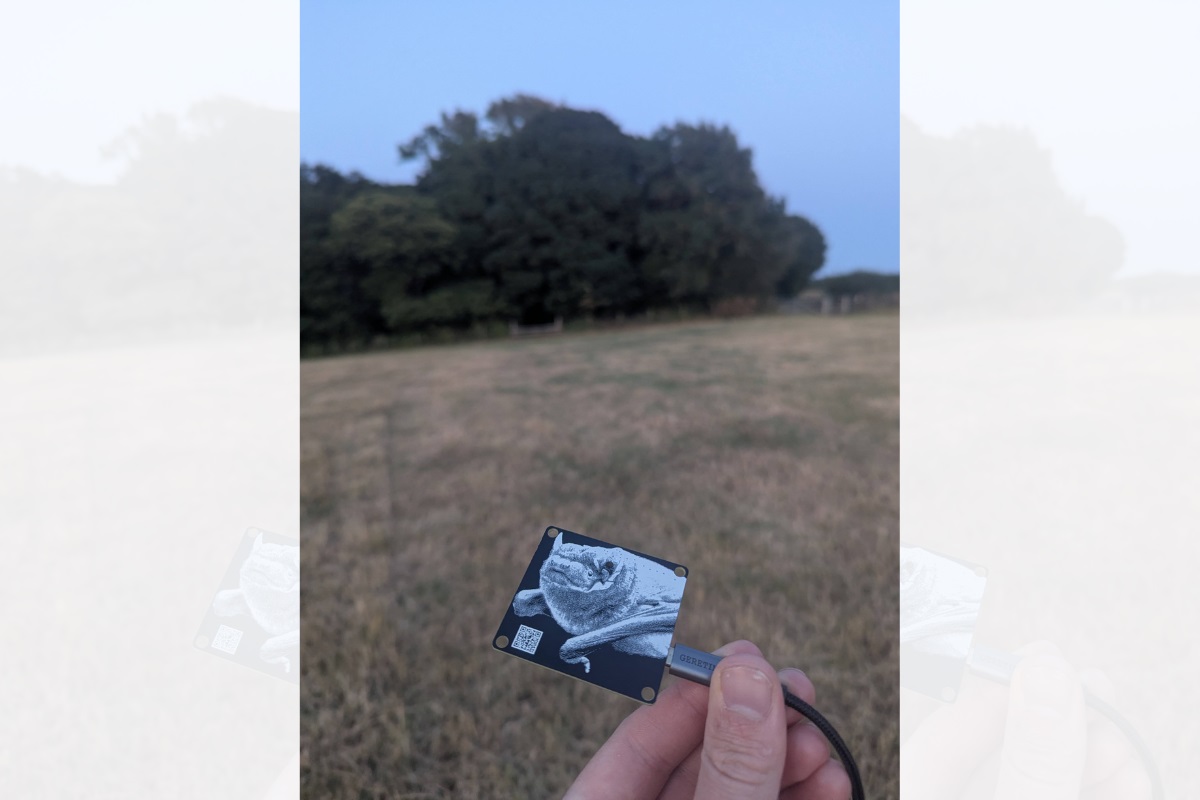
As part of the workshops, participants were supported to make a Griff-Mini – a credit card-sized bat detector that connects to a smartphone, enabling people to listen to high-frequency sounds produced by bats, as well as other nocturnal wildlife. Over the summer months, participants have been getting to grips with the bat detectors, and their insights and experiences will inform the next stage of the project – designing a citizen science initiative.
Daniel said: “We’ve had really positive feedback when running the bat detector workshop. Our participants have really enjoyed the hands-on approach, and being involved from the start of the process has provided them with insights into the role such disruptive technologies can have in informing understandings of nature at night.
“For many young people, social and economic barriers can limit engagement with nature, especially at night. The fact that these bat detectors are easy to use and can be built for less than £10 offers huge potential to get people interested and to help collect data to support the conservation of bats, which face a range of challenges in the UK. We look forward to catching up with our participants after the summer to see how they got on with their detectors.”
Additionally, the Nature at Night team took part in the University’s Festival of Ideas, showcasing the project as well as encouraging members of the public to write their own poetry about what nature at night means to them. The team has also been filmed for the Ecological Citizens documentary, which will be aired at the end of 2026.
Main image: Young people participating in a collage-making workshop on the University of Chester campus.
Image 2: A Griff-Mini Bat Detector out in the field.
Image 3: A participant making a Griff-Mini Bat Detector during a workshop led by the research team.
Image 4: The front cover design of the Nature at Night zine.