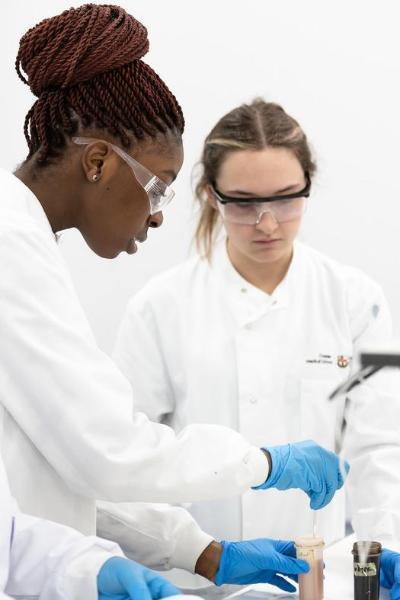
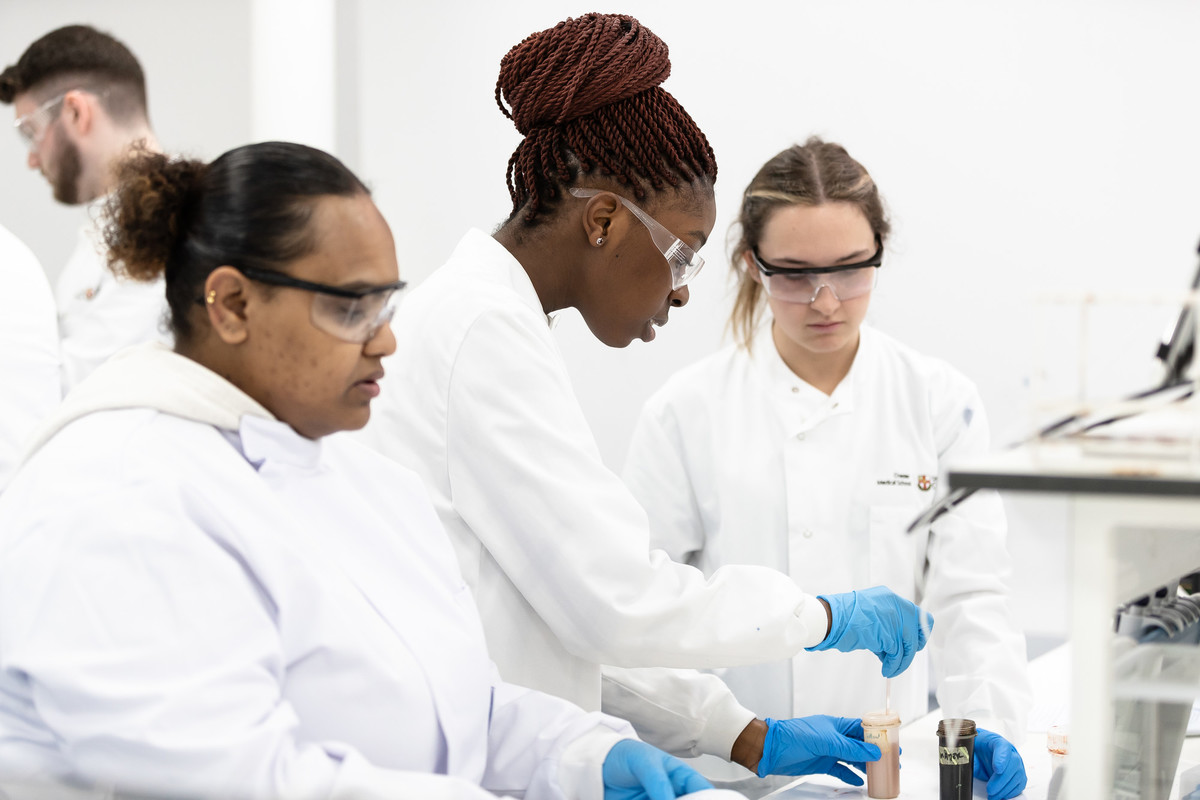


A group of female students on the BSc Biomedical Science degree, learning essential laboratory skills training and research. A group of female students on the BSc Biomedical Science degree, learning essential laboratory skills training and research.

This course is available in Clearing for 2026 entry.

Course Overview

Study a side of healthcare most people never see. Biomedical scientists are at the forefront of understanding human health and disease in a world and healthcare industry that is always evolving. Our BSc degree helps you to develop practical skills and in-depth knowledge to identify what causes illness, how they can be diagnosed and factors that can affect our health.

You'll learn from enthusiastic academic and professional staff, including experienced lecturers and practitioners who have worked as Biomedical Scientists within the NHS, bringing real-world insights to your learning. These dedicated staff members will provide continuous support throughout your studies. Many of our lecturers are research-active, contributing to the latest biomed developments and presentations at national and international conferences.

Biomedical Science at Chester:

  • Is accredited by the Institute of Biomedical Science
  • Has dedicated dissertation and specialist research labs at Bache Hall (Countess of Chester Hospital site)
  • Benefits from strong industry links with local hospitals and NHS pathology labs
  • Includes the opportunity to attend a BioGrad lab skills bootcamp at the end of your course

Studying at Chester will support you to graduate with a professional network of industry contacts, combined with in-demand skills and experience, opening doors to a variety of careers within the NHS, as a researcher, or in the wider healthcare sector.

We've worked with the Springpod to produce this Biomedical Science Subject Spotlight. In this captivating series, Paul Roberts explores blood — how it works, what happens when it doesn't, and how the immune system fights back.

Springpod Biomedical Science thumbnail

Accreditations

IBMS Accredited

Why You'll Love It

Three Reasons Why Biomedical Science video

Three Reasons Why Biomedical Science

How You'll Learn

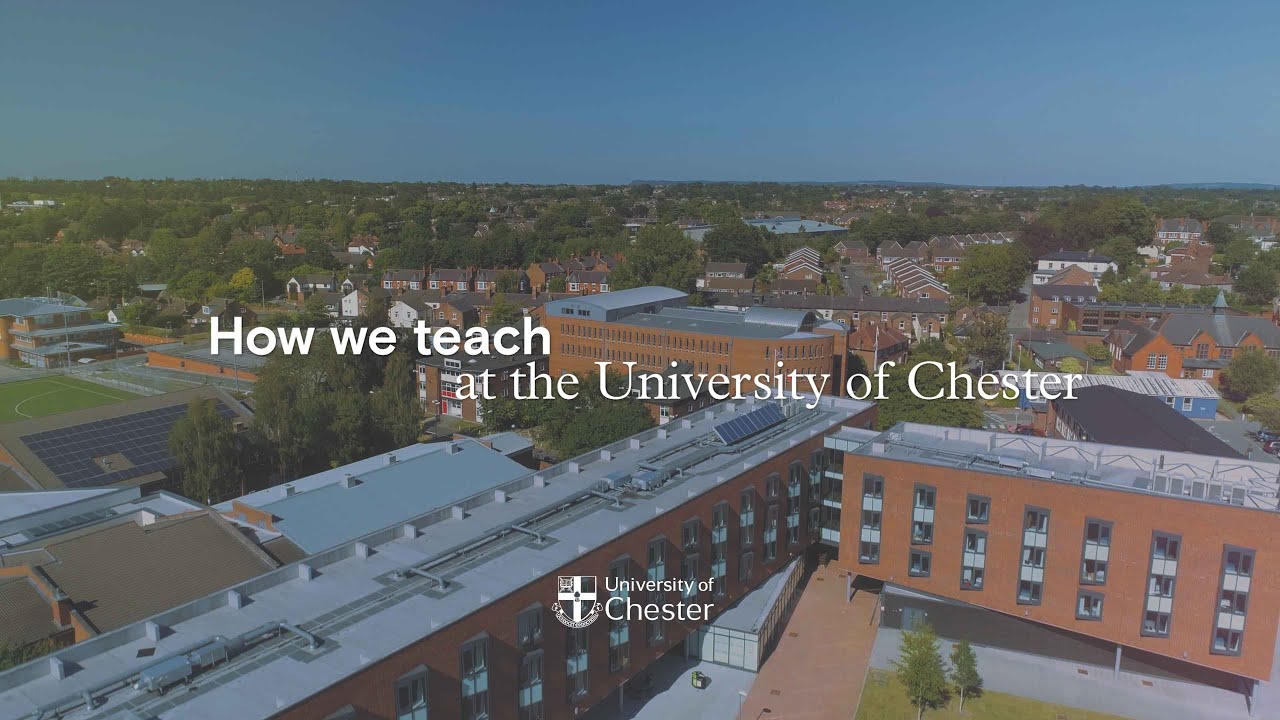
An aerial photograph of Exton Park with the text 'How we teach at the University of Chester'

How we teach at the University of Chester

Our teaching on the course will be delivered through a diverse range of methods and styles, including lectures, laboratory practical sessions, small group tutorials, seminars, computer-based workshops, problem-based learning and e-learning.

If studied, the Foundation Year, as with the following years of study, will be taught in three 10-week blocks across an academic year. Each block will comprise of a large 40-credit subject-specific module that includes a breadth of topics and subject skills. You will have on average 12-14 hours of contact time per week during the Foundation Year. There may be variations to this where subject practical or specialist space teaching is included.

There is a strong practical focus facilitated by modern, spacious teaching laboratories, and our tutors will ensure you develop the lab skills you need to become an employable graduate. 

Learning is assessed by a balanced combination of examinations and coursework. Coursework assessments may consist of laboratory reports, data handling exercises, essays, and poster and oral presentations, allowing a full range of skills to be developed. 

On this course, you have the opportunity to apply for a competitive placement module. If successful you will spend five weeks working in an NHS pathology laboratory. You’ll have the chance to test-drive a future career, boost your CV and gain real work experience.

We work closely with local NHS Trusts and aim to provide students with opportunities to meet and speak to practicing Biomedical Scientists.

Your Future Career

Job Prospects

Our graduates have been successful in securing a variety of roles within the NHS, including medical laboratory assistants, associate practitioners, and Trainee Biomedical Scientists. Students have also been successful in none NHS roles such as pharmacology and research. 

Progression Options

Careers Service

The University has an award-winning Careers and Employability service which provides a variety of employability-enhancing experiences; through the curriculum, through employer contact, tailored group sessions, individual information, advice and guidance.

We also deliver group sessions on career planning within each course and we have a wide range of extensive information covering graduate jobs and postgraduate study.

Who You'll Learn From

Dr Gareth Jones

Senior Lecturer
Dr  Gareth Jones

Dr Michelle Cordingley

Deputy Head of Division
Dr Michelle Cordingley

Dr Melisa Baptista

Deputy Head of Division
Dr Melisa Baptista

Dr Ukpai Eze

Senior Lecturer
Ukpai Eze

Paul Roberts

Senior Lecturer
Paul Roberts

Emma Moore

Lecturer
Emma Moore

Abi Burnett

Lecturer
Abigail Burnett