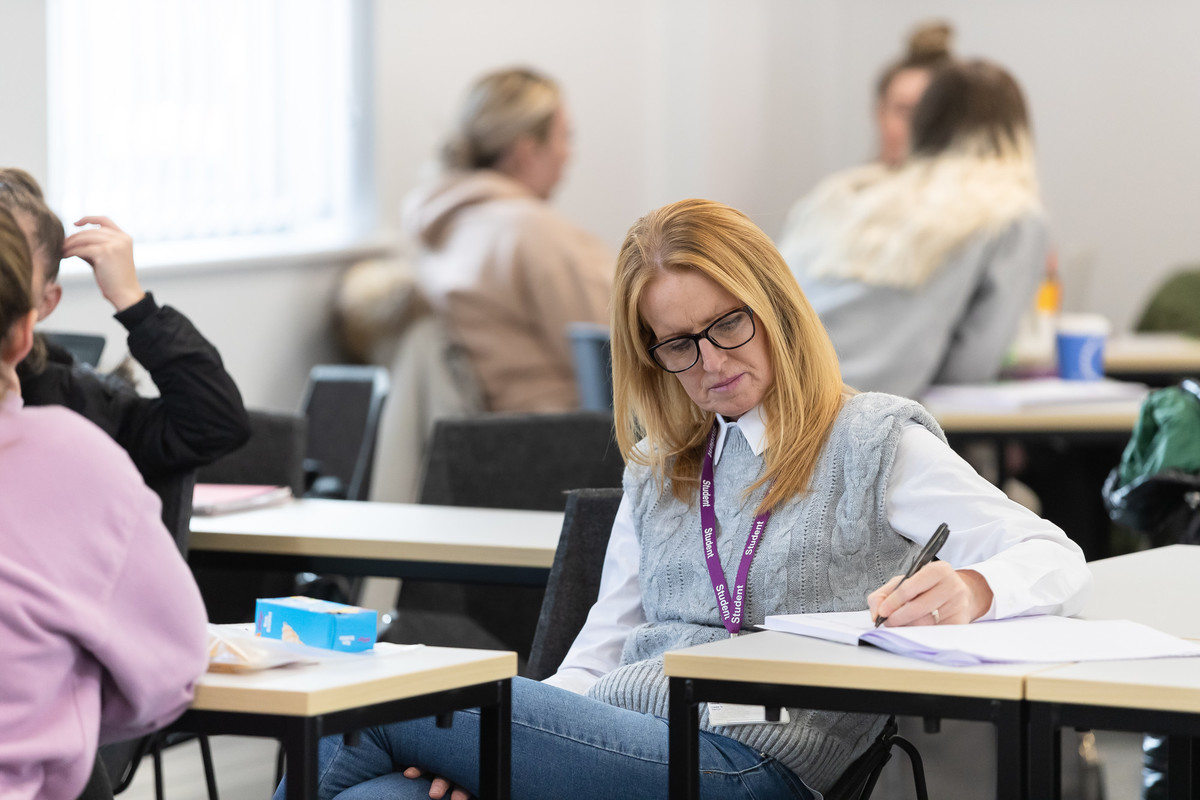
Student practicing counselling skills during a counselling and psychology degree session, talking with a professional therapist in a university setting. Student practicing counselling skills during a counselling and psychology degree session, talking with a professional therapist in a university setting.

This course is available in Clearing for 2026 entry.

Course Overview

The BA Counselling Skills and Psychology Combined Honours course offers a comprehensive exploration of the human mind. From understanding mental health to delving into developmental psychology, you'll gain a solid foundation in the field. Alongside this, the course is designed to develop your knowledge and understanding of counselling theory, and practical counselling skills.

You will learn about the core areas of psychology (biological, cognitive, developmental, social, and individual differences), and counselling theories and concepts; consider pertinent ethical issues within the helping relationship; be introduced to research methods; and explore a range of client issues. You will consider the differences in therapy depending on where and how it is delivered; examine a range of careers within the field of psychology and counselling skills; analyse how counselling fits within a social justice frame; and look into how psychology applies to the broader community. Finally, you will have the opportunity to complete a large-scale dissertation where you will be able to demonstrate a range of research skills, including designing and planning, in addition to considering and resolving ethical issues, analysis and dissemination of findings.

By the end of your course, you will be able to articulate your varying attributes relevant to a range of employment roles and opportunities, such as critical thinking, problem solving, and written and verbal communication. You will learn to develop your project management skills and research integrity, which are key to a highly adaptive work ethic valued by stakeholders and employers. Staff work to promote your strengths and best interests, by promoting inclusive learning and authentic assessment. The course is dynamic and interdisciplinary and is led by research-active staff who are qualified counsellors and psychologists, able to share their real-world experience.

Accreditations

British Psychological Society Accredited

Why You'll Love It

Psychology BSc Combined Honours video

Psychology BSc Combined Honours at the University of Chester

How You'll Learn

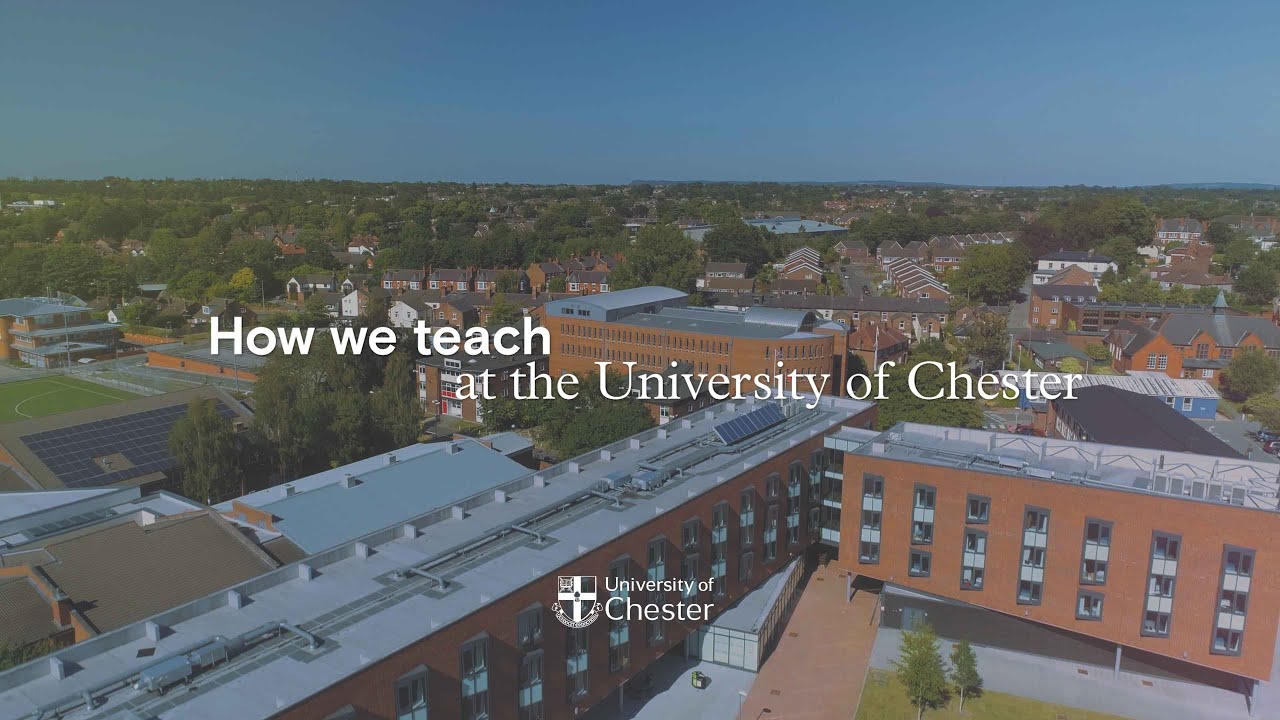
An aerial photograph of Exton Park with the text 'How we teach at the University of Chester'

How we teach at the University of Chester

This course is delivered in three terms of ten weeks each. In each term, you will study 40 credits comprising either one or two modules. Scheduled contact hours range between approximately six and ten hours per week depending upon level of study and the complexity of the material being taught. This course is delivered through a mix of in person and online learning. You can expect to take part in lectures, workshops and peer-led seminars. 

You should expect to spend an average of 30-34 hours per week on independent study, which might include following asynchronous learning material, tutorial time with staff, using the University’s library, working with peers and preparing work for assessment. Teaching will be delivered by experience academics and practitioners in the subject. This will be supplemented by occasional guest lecturers and speakers. 

There will be a broad range of assessment methods so you are exposed to the different types of task you might encounter in the workplace. These will include coursework in the form of essays (long and short form), reports, presentations, and recordings of counselling skills practice. Assessment support is provided throughout the modules. We continuously review the assessment methods used in order that they adequately prepare you for graduate-level employment. 

All teaching is delivered by experienced academics and practitioners, with the fundamental principles of the Chester Future Skills Curriculum at its core – building your subject competence, confidence, and key transferable skills to shape you into a world-ready Chester graduate.

Your Future Career

Job Prospects

Studying Counselling Skills develops strong skills and knowledge, which are transferable to a wide range of occupations. Graduates may pursue careers and training in a range of areas such as education, the police force, prison work, social work, law and retail management. Graduates may also pursue further therapeutic training or academic research. 

Below are some potential career paths and roles for Counselling Skills and Psychology graduates:

  • Crisis Intervention Specialist: Respond to individuals in crisis, often immediately after traumatic events, providing counselling and resources.
  • Therapist/Counsellor in Private Practice: Utilise counselling skills to provide therapy to individuals, potentially specialising in areas such as crime-related trauma.
  • Life Coach: Help people to make decisions and changes to reach their potential.
  • Play Therapist: Helping children and young adolescents to work through difficult life experiences.
  • Wellbeing Practitioner: Help individuals to engage with low intensity interventions to support recovery.
  • Substance Abuse Counsellor: Help individuals overcome addiction, particularly those who have entered the system due to drug-related offences.
  • Victim Advocate: Offer support and resources to crime victims, acting as a bridge between them and the legal system.
  • Offender Counsellor: Provide counselling to incarcerated individuals, preparing them for release and ensuring they have the tools and resources to avoid reoffending.
  • Youth Offender Counsellor: Specialise in working with young individuals who have committed crimes, focusing on rehabilitation and social reintegration.
  • Restorative Justice Coordinator: Facilitate communication between victims and offenders, aiming for reconciliation and mutual understanding.

Further certifications, experience, or advanced degrees may be required for the above roles.

Psychology graduates often go on to postgraduate study in psychology (e.g. cognitive neuroscience, forensic and sport psychology), or have secured a graduate role in industries such as marketing, banking and project management due to their sought-after transferable skills, such as communication, team working, analysis, and creative and critical thinking.

Careers Service

The University has an award-winning Careers and Employability service which provides a variety of employability-enhancing experiences; through the curriculum, through employer contact, tailored group sessions, individual information, advice and guidance.

Careers and Employability aims to deliver a service which is inclusive, impartial, welcoming, informed and tailored to your personal goals and aspirations, to enable you to develop as an individual and contribute to the business and community in which you will live and work.

We are here to help you plan your future, make the most of your time at University and to enhance your employability. We provide access to part-time jobs, extracurricular employability-enhancing workshops and offer practical one-to-one help with career planning, including help with CVs, applications and mock interviews. We also deliver group sessions on career planning within each course and we have a wide range of extensive information covering graduate jobs and postgraduate study.


What Our Students Think

Social and Political Science Conference 2025

University of Chester Social and Political Sciences Conference 2025

Who You’ll Learn From

Dr Emily Fozard

Senior Lecturer
Emily Fozard

Dr Liz Whelen

Senior Lecturer
Dr  Liz Whelen

Dr Amanda Mcgarry

Senior Lecturer
Amanda McGarry

Dr Janine Carroll

Senior Lecturer
Dr Janine Carroll

Dr Hayley Cooper

Senior Lecturer
Profile picture for Hayley Cooper

Dr Lindsay Murray

Associate Professor
Dr Lindsay Murray