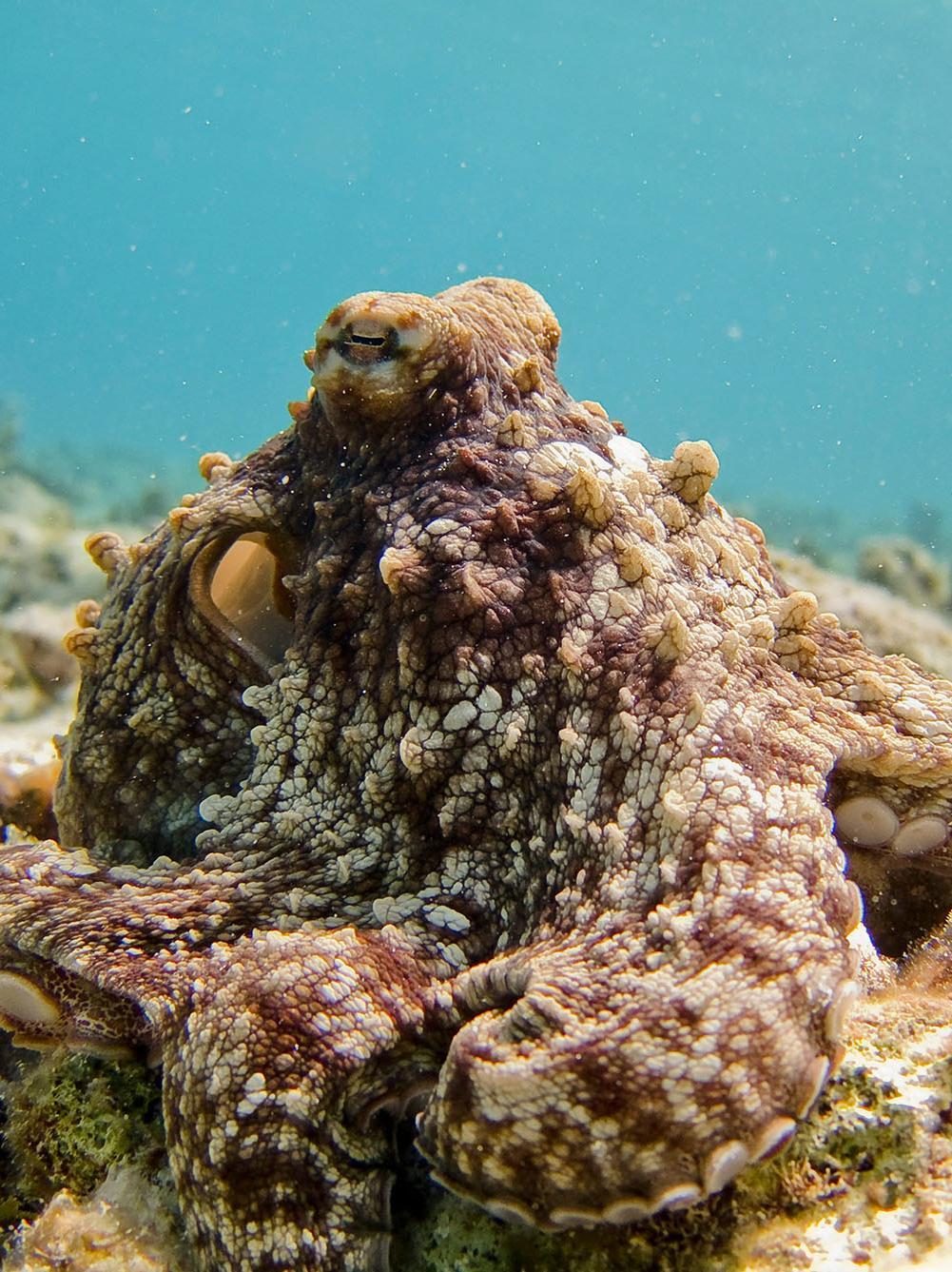
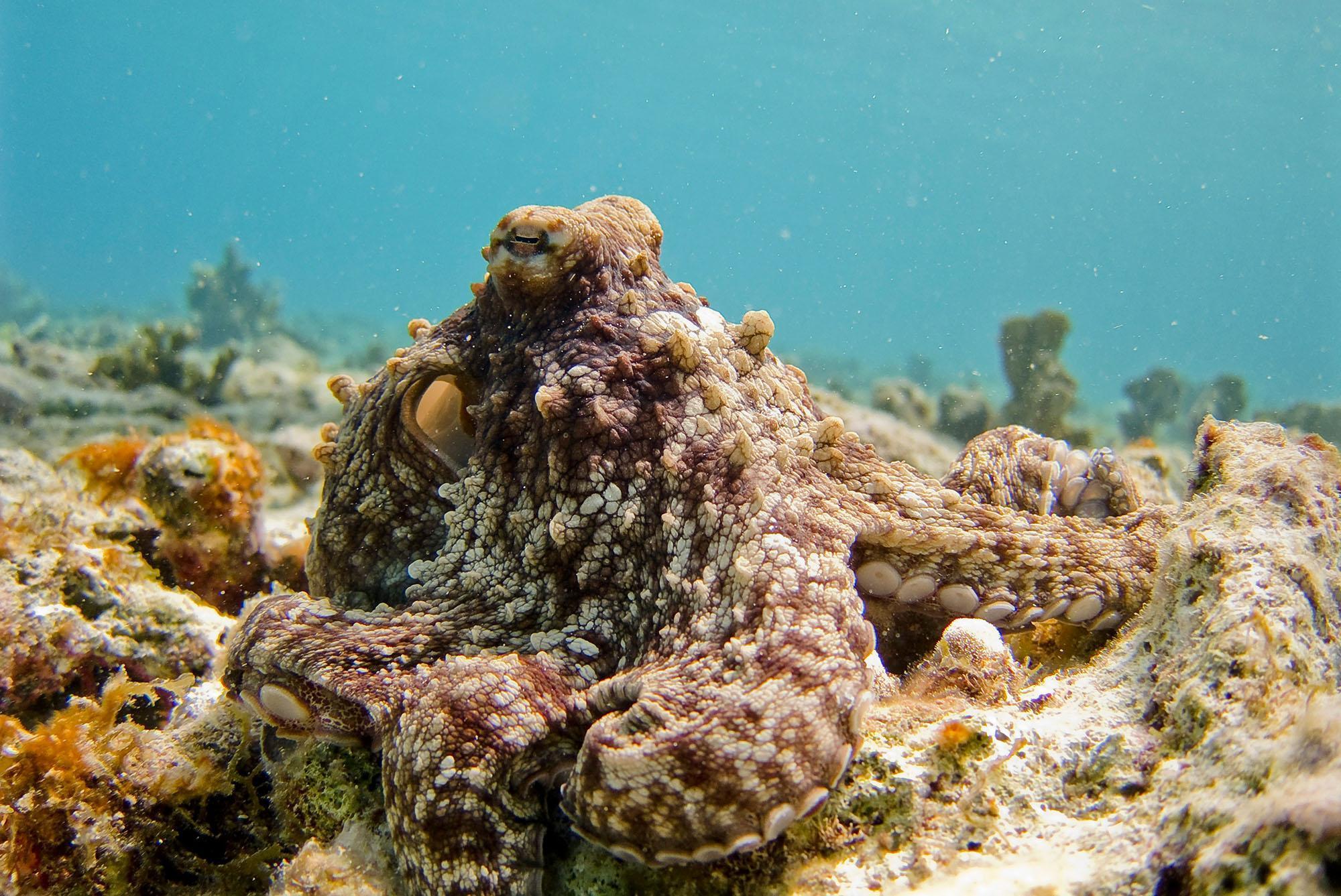

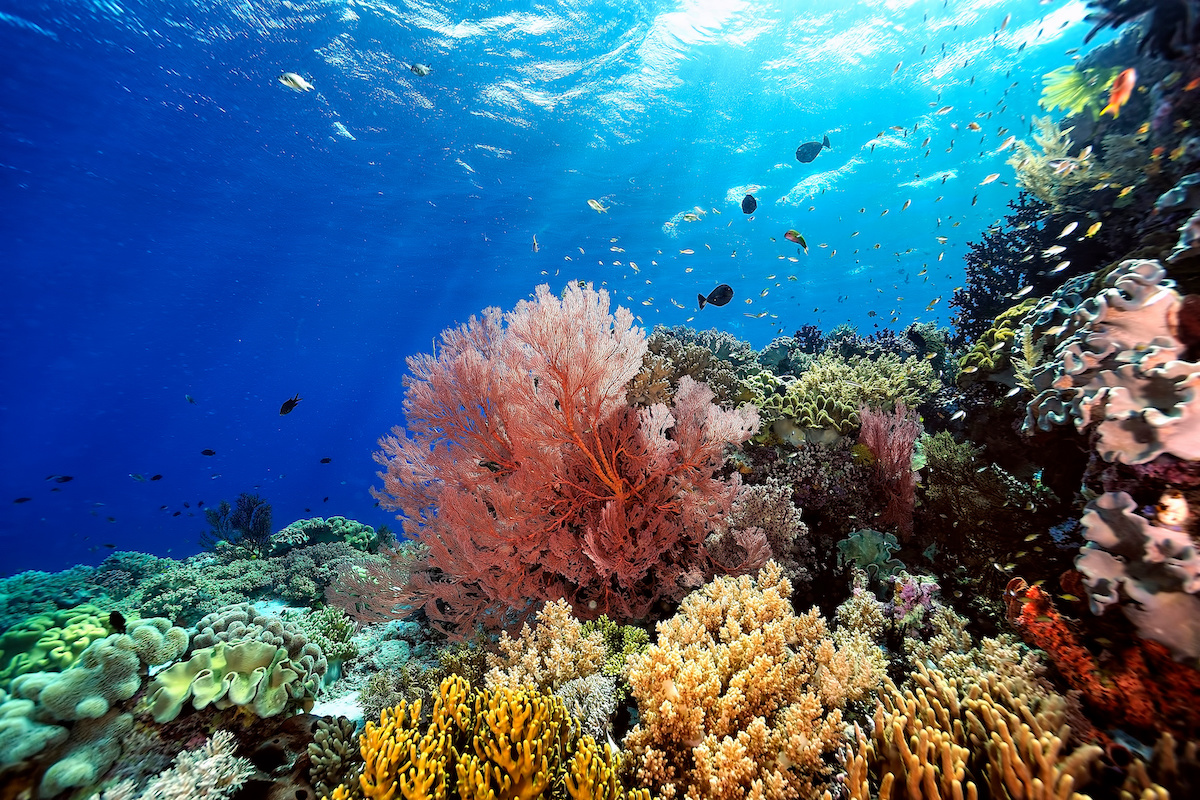


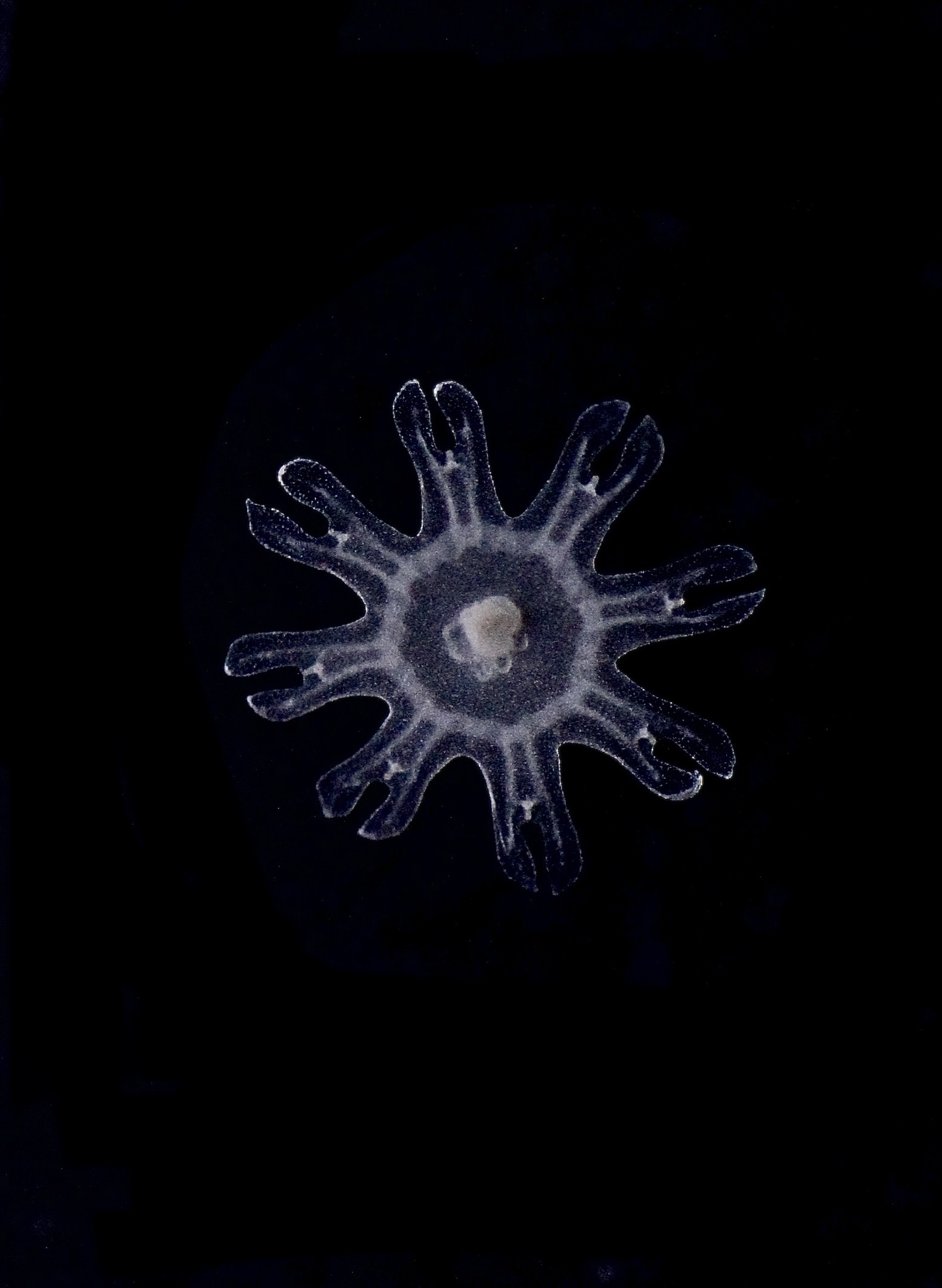

Vibrant octopus blending into a coral reef, showcasing the fascinating marine ecosystems explored by Marine Biology BSc (Hons) students Vibrant octopus blending into a coral reef, showcasing the fascinating marine ecosystems explored by Marine Biology BSc (Hons) students

Our Marine Biology BSc course offers a comprehensive study of marine ecosystems, exploring the diversity of life in the oceans and the complex interactions that sustain marine environments. Accredited by the Royal Society of Biology*, our degree empowers you to develop crucial skills for addressing real-world challenges. Combine theoretical knowledge with practical fieldwork and laboratory research and gain a deep understanding of marine organisms, their behaviour, physiology, and ecological roles. 

The University of Chester is located in close proximity to the Dee Estuary which comprises the marine areas of The Dee Estuary Special Protection Area (SPA) and Dee Estuary/Aber Dyfrdwy Special Area of Conservation (SAC) with internationally important wetland species.

Key topics include coastal ecology, oceanography, tropical marine ecology together with the impacts of climate change and human activity on marine ecosystems. The course also emphasises the importance of sustainable marine resource management, equipping students with the skills to play a key role in marine conservation.

You will gain valuable skills in modern research techniques, such as molecular biology, data analysis, and remote sensing, to effectively study marine life and monitor ocean health. Additionally, you will gain invaluable experience and insights through exciting work placements with our industry partners. On completion of the course, you will have practical expertise in marine biology, paving the way for diverse career opportunities and advanced postgraduate studies.

If you have any questions, feel free to reach out to our Course Leader, Dr Nick Fleming n.fleming@chester.ac.uk. If you're interested in studying this course part-time, please contact Nick to discuss your options, as our term-based teaching approach means the structure can vary – with some terms being full-time, some part-time, and others with no teaching.

* This degree is pending professional re-accreditation by the Royal Society of Biology.

Accreditations

RSB Accredited Degree logo

Why You'll Love It

BSc (Hons) Marine Biology

BSc (Hons) Marine Biology

What You'll Study

In your Foundation Year you will be introduced to studying Marine Biology at undergraduate level through the Physical and Natural Sciences Foundation Year route.

The Foundation Year is designed to give you a strong knowledge and skills base aligned with your chosen four-year degree. Following a solid grounding in scientific principles or behavioural sciences in your first block of teaching, you will study bespoke modules aligned with your discipline. This could involve studying the human body in health and disease and how to encourage healthy and sustainable behaviours, or the biology of terrestrial and marine animals and the impacts of their interactions with humans, or you might focus on the physical sciences and how they can help change the world for the better. Whatever you aspire to, we can offer you a supportive and incremental introduction to your science degree.

This module will present core topics in Chemistry and Biology that will provide a solid foundation for students to build on in Terms 2 & 3 in their course-specific modules. Laboratory sessions will underpin topics and maths skills will be integrated throughout the module.

Indicative content:

  • The scientific method
  • Atomic structure and the periodic table
  • Working with chemical equations
  • Isotopes and relative molecular mass
  • Chemical calculations
  • Scientific form and converting units
  • Scales and magnification
  • Working with formulae
  • Statistics and visualising data
  • Fractions and ratios
  • Compound growth and decay
  • The classification of life
  • Evolution and selection
  • The molecules of life
  • Cells and cell division
  • Nutrient cycles
  • Learning to use and navigate a range of digital spaces specific to your subject
  • Understanding academic conduct and conventions for communicating information
  • Finding and using a range of academic sources relating to your subject

This module will build upon core biological topics from Term 1 with a focus on non-human animals. Laboratory sessions and digital activities will align with the topics in the lectures and workshops. A thread of Animal Behaviour will run throughout the module, along with ‘field’ activities which will develop observation and recording skills.


Indicative content:

  • The Animal Kingdom
  • Evolution and speciation
  • Genetics and Inheritance
  • Cells and proteins
  • Homeostasis – maintaining the internal environment
  • Animal form & function – invertebrates
  • Animal form & function – vertebrates
  • Feeding in terrestrial & marine environments
  • Sensing and communication in air and water
  • Animal behaviour
  • Advancing digital and academic skills introduced during Term 1
  • Developing research and information literacy in relation to your subject
  • Creating an academic poster on a chosen research paper

This course will explore the relationships between animals and their changing environments. We will begin with the foundational principles of ecology and the benefits that ecosystems provide to humanity. We will then investigate various ways humans impact the environment, discussing how these changes affect animal populations and biodiversity. The module will culminate with study of conservation strategies, which are crucial for preserving biodiversity and ensuring the survival of species in the Anthropocene.

  • Ecology 1 – from species to biomes
  • Ecology 2 – populations and change
  • Ecology 3 – the interdependence of life
  • Human perceptions of the natural environment
  • Direct human impacts
  • Indirect human impacts
  • Animals in captivity
  • Conservation approaches

The information listed in this section is an overview of the academic content of the course that will take the form of either core or option modules and should be used as a guide. We review the content of our courses regularly, making changes where necessary to improve your experience and graduate prospects. If during a review process, course content is significantly changed, we will contact you to notify you of these changes if you receive an offer from us.

The BSc Marine Biology course shares core modules across the school with Zoology and Animal Behaviour and offers specialised options at Levels 5 and 6.

In your first year (level 4), you will learn foundational biological concepts such as genetics, anatomy, ecology, and animal behaviour, while developing essential lab and field skills. A capstone project in the final term allows you to apply your first-year knowledge in a research project or field trip.

Core Modules

You will learn the essential concepts and skills that form the backbone of a degree in biological sciences. Through theory and practical sessions, this module will guide you through every level of biological organisation, from the smallest cellular structures to an introduction to animal behaviour and ecology. Throughout this module, you will develop academic, practical, and analytical skills that will support your studies and career development.

You will explore the fundamentals of scientific research, including how to develop research questions, work with relevant literature, understand basic statistical concepts and communicate research findings. Key biological topics, such as advanced physiology and genetics, will be covered, emphasising the connection between theory and practical, hands-on experience.

You will then focus on topics specific to your course. If you have chosen to study Animal Behaviour, Animal Welfare Science, Marine Biology or Zoology, you will develop your knowledge and practical laboratory and field skills in topics such as behaviour, husbandry, training applications and field techniques. If you have chosen to study Biology, Bioveterinary Science or Forensic Biology, you will develop your knowledge and practical laboratory skills in topics such as metabolism, microbiology and immunology. 

This module focuses on the diversity of life on Earth. You will examine the principles that explain biodiversity while exploring the taxonomy, systematics, evolution, and ecology of the major taxa that comprise life on Earth. You will learn how biological diversity is measured, valued, and conserved, preparing you for more advanced studies in animal conservation-related topics.

Optional Modules

This module aims to provide you with the opportunity to gain further practical skills and develop your own projects. You will explore various experimental methods through subject-specific workshops in the laboratory or field. Working in groups, you will apply these skills and your previous training in formulating research questions, to conduct your own study. In doing so you will need to consider ethical factors and practical constraints where relevant. At the end of the module, you will be able to present your findings as a group, showcasing your ability to conduct an experiment and communicate results effectively.

Optional Language Modules

This module enables students with A-Level German or equivalent to further develop their grammar, vocabulary and expression and apply these to real world situations.You will work with written and recorded texts on a range of cultural, personal and social topics and will develop your oral and written communication skills at Post-A level.

This module is designed for students that have completed A-Level or equivalent in French. You will further develop your grammar, vocabulary and expression and apply these to real world situations. You will work with written and recorded texts on a range of cultural, personal and social topics and will develop your oral and written communication skills at Post-A level.

This module is designed for students that have completed a A-Level or equivalent in Spanish. You will further develop your grammar, vocabulary and expression and apply these to real world situations. You will work with written and recorded texts on a range of cultural, personal and social topics and will develop oral and written communication skills at Post-A level.

This module is designed for students who have completed GCSE in Chinese or equivalent. You will further develop your grammar, vocabulary and learning conventions for spelling and pronunciation. You will work with written and recorded texts on a range of cultural, personal and social topics and will develop oral and written communication skills at an intermediate level.

This module is designed for students who have completed GCSE or equivalent in French. You will further develop your grammar, vocabulary and learning conventions for spelling and pronunciation. You will work with written and recorded texts on a range of cultural, personal and social topics and will develop oral and written communication skills at an intermediate level.

This module is designed for students that have completed GCSE or equivalent in Spanish. You will further develop your grammar, vocabulary and learning conventions for spelling and pronunciation. You will work with written and recorded texts on a range of cultural, personal and social topics and will develop oral and written communication skills at an intermediate level.

This module provides the opportunity to study a new language from scratch and introduces you to basic grammar, vocabulary and cultural contexts. You will apply the language to practical situations using both oral and written skills. 

The information listed in this section is an overview of the academic content of the course that will take the form of either core or option modules and should be used as a guide. We review the content of our courses regularly, making changes where necessary to improve your experience and graduate prospects. If during a review process, course content is significantly changed, we will contact you to notify you of these changes if you receive an offer from us.

In your second year (level 5), you delve deeper into animal adaptations and behaviours across various ecological settings. You also build expertise in research, statistics, policy, and ethics, combined with our specialised marine module exploring marine ecosystems. You will also have the opportunity to gain invaluable hands-on experience through work placements or exciting overseas field trips.

Core Modules

This module is designed to provide you with an understanding of, and appreciation for, how animals adapt to the varied environments in which they live, in response to the problems of life associated with each unique environment. This includes how and why the animals have evolved the way they did in terms of their morphology, physiology and behaviour while considering the ecology of each habitat type. While the majority of the module looks back at animal evolution, part of it looks forward too by broaching the topics of anthropogenic environments and what animals need to do to continue surviving in the Anthropocene.

Behavioural Ecology builds on the theory and practical skills introduced in the first year (Level 4). You will develop your understanding of how evolutionary theory enables us to explain and predict animal behaviour as a product of selective pressures in their natural environment. Practical sessions will allow you to practice behavioural observation and measurement skills while designing a proposal for a behaviour study investigating an area of animal behaviour of your choice.

This module explores the interaction between organisms within ocean environments and the physical and chemical processes that govern them, together with providing a deeper understanding of marine ecosystems, their dynamics, and the impact of human activities on the marine environment. Key topics include the physical and chemical properties of the ocean, including ocean currents, circulation patterns, and nutrient cycling which is crucial for predicting how the oceans will respond to environmental changes, such as climate change and ocean acidification as well as considering how some of these topics align with UN sustainable development goals. The module also explores the diversity of marine organisms, their interactions, and how they are influenced by abiotic factors such as temperature, salinity, and nutrient availability. You will also discover the ecological processes that drive marine systems, so you can better understand the functioning of marine ecosystems and the services they provide to humans.

Optional Modules

In this module, you will have the opportunity to put theory into practice and build essential skills for your future career by gaining invaluable real-world experience through a structured, university-level work placement for 5 weeks as one continuous block / period with a placement provider (i.e. a local employer from the private, public, or charitable sector). You will develop practical, analytical, and professional skills relevant to your subject, while also enhancing transferable skills that are vital in any graduate-level role. Therefore this module will enhance your professional skills in a real-world job setting.

Through hands-on experiences, you will critically reflect on your personal and professional growth, using these insights to shape your career path and identify areas for continued development. You'll take ownership of your learning, ensuring that you can effectively articulate your employability skills in a professional context, and be well-prepared for the workplace. This module empowers you to explore new environments, apply your knowledge, and discover how your academic training translates into real-world impact, boosting your confidence and work readiness.

It is your responsibility to organise the placement as part of this module although you will be provided with support from university staff.

All work placements within this module must be university-level; this means:

  • Undertaking high-skilled work commensurate with level 5 study (e.g. report writing, attending meetings, delivering presentations, producing spreadsheets, writing content on webpages, social media, marketing services/products etc.)
  • Physically placed (albeit part of it can be hybrid) within an employer setting in one continuous block / period for 5 weeks for a minimum of 140 hours over the course of the entire work placement
  • Where applicable, your existing part-time employer can be approached/used as the placement provider, if the high-skilled work criterion above is fulfilled for the full duration of the placement.
  • All quality assurances/agreements provided by the University are adhered to, by you and the employer.

The work placement context may not necessarily, reflect your degree discipline per se, but rather, it will give you an enriched experience to enhance your professional skills in a real-world job setting.

In this module, you will have the opportunity to put theory into practice and build essential skills for your future career by gaining invaluable real-world experience through a range of experiential activities (e.g., volunteering, workplace engagement, research projects, field trip (where available and dependent on course), or through a combination of activities). You will develop practical, analytical, and professional skills relevant to your subject, while also enhancing transferable skills that are vital in any graduate-level role. 

Through hands-on experiences, you will critically reflect on your personal and professional growth, using these insights to shape your career path and identify areas for continued development. You'll take ownership of your learning, ensuring that you can effectively articulate your employability skills in a professional context, and be well-prepared for the workplace. This module empowers you to explore new environments, apply your knowledge, and discover how your academic training translates into real-world impact, boosting your confidence and work readiness. 

It is your responsibility to organise any experience undertaken outside of the university as part of this module although you will be provided with support from university staff.

All activities within this module must be university-level; this means:  

  • Undertaking high-skilled work commensurate with level 5 study (e.g. report writing, attending meetings, delivering presentations, producing spreadsheets, writing content on webpages, social media, marketing services/products etc.)  
  • Meeting the professional expectations of the experiential activities you undertake 
  • Where applicable, your existing part-time employer can be approached/used as an experiential activity provider, if the role aligns with your career development and provides you with high skilled work commensurate with level 5 study. 

Optional Language Modules

The module will provide the opportunity to further develop your language skills, building on your previous learning at advanced level. The second half of the module includes a placement abroad or, alternatively, a project on a sustainability issue in a target language country. The first half of the module will prepare you for placements abroad where appropriate as well as a deeper understanding of sustainability in target language contexts. Students of more than one language may take one language in the first half of the module and spend their time abroad developing a different language. 

The module will provide the opportunity to further develop your language skills, building on your previous learning at intermediate level. The first half of the module includes intensive taught sessions in interactive workshop mode which will prepare you for placements abroad or self-directed language development. The second half of the module includes an placement abroad or, alternatively, a project on a business or tourism issue in a target language country. Students of more than one language may take one language in the first half of the module and spend their time abroad developing a different language. 

The module will provide the opportunity to further develop your language skills, building on your previous learning at beginner level. The first half of the module includes intensive taught sessions in interactive workshop mode which will prepare you for placements abroad or self-directed language development. The second half of the module includes a placement abroad or, alternatively, a project on a cultural issue in a target language country. Students of more than one language may take one language in the first half of the module and spend their time abroad developing a different language. 

  • The multiple facets of global citizenship
  • Ethical engagement and practice
  • The United Nations Sustainable Development Goals
  • Cross-cultural issues and sensitivity
  • Intercultural communication
  • Culture shock
  • Cultural adjustment
  • Self- assessment of needs: identification of the range of transferable skills, competencies and attitudes employees need and employers expect graduates to possess-with a strong focus on understanding the intercultural competencies (ICC) needed to live and work abroad.
  • Critical analysis/evaluation of individual requirements in relation to culture/cultural adjustment/culture shock/visas/medical.
  • Critical analysis/evaluation of skills already acquired in relation to key skills related to ICC.
  • Devising strategies to improve one’s own prospects of working abroad in the future.
  • Devising an action plan to address gaps in transferable skills based on organisational analysis and sector opportunities.

Part A:      

Preparation for Experiential Overseas Learning will take place at the University of Chester during level 5 and will include:  

  • The multiple facets of Global citizenship
  • Ethical engagement and practice
  • Cross-cultural issues and sensitivity
  • Intercultural communication

Theories, models and strategies of learning

  • Theories and models Intercultural competence
  • Theories and models of Integration and Multiculturalism
  • Critical thinking skills and models of Reflection
  • Experiential learning models
  • Self-directed experiential learning

Personal and placement-related skills

  • Enhanced independence
  • Improved command of multicultural behaviour
  • Increased knowledge and confidence in their individual facets of personal identity
  • Effective time management and organisational skills
  • Project management – working away from University and independent study
  • Self-management and personal development
  • Team building and team work

Part B:            Overseas

Students will engage in experiential learning activities overseas for at least 150 hours 

Optional Placement Year

In this module you will build essential skills for your future career by gaining invaluable real-world experience through a year long industrial placement. Through hands-on experiences, you will critically reflect on your personal and professional growth, using these insights to shape your career path and identify areas for continued development. The placement structure does not follow the normal academic course and will be devised in agreement between you, your placement advisor and your University placement supervisor. You'll take ownership of your learning, ensuring that you can effectively articulate your employability skills in a professional context, and be well-prepared for the workplace. The placement should provide you with the ability to develop graduate level skills in an area related to your degree and should allow you to put theory into practice.

All work placements within this module must be university-level; this means:

  • Undertaking high-skilled work commensurate with level 5 study (e.g. report writing, attending meetings, delivering presentations, producing spreadsheets, writing content on webpages, social media, marketing services/products etc.)
  • Physically placed (albeit part of it can be hybrid) within an employer setting for 9-12 months.
  • All quality assurances/agreements provided by the University are adhered to, by you and the employer.

A placement conference will enable peer to peer sharing of experiential learning whsilt permitting feedback on your progress. It will also allow you to share your current knowledge and skills development helping those that are considering taking this route to make a decision. You will also analyse a range of skills and benefits derived from the placement, further developing the construction of learning logs and allowing you to report your progress via a presentation and short VLOG. For those unable to attend, for whatever reason, online via Teams will permit engagement and feedback.  In addition, the conference will provide an opportunity to acquire an overview of final year options and dissertation and/or project research.

For those students where costs or other geographical/logistical difficulties render visits, conference attendance or participation via teleconferencing prohibitive, there will be an augmented portfolio of activities to substitute the conference activities.

All students will engage in the drawing up of a learning agreement on acceptance of the placement that will cover a contact plan and agreed learning outcomes with their designated academic tutor and placement coordinator.

Optional International Placement Year

Preparation for the year abroad will take place in Chester during level 5 and will include:

  • Cross-cultural issues and sensitivity
  • Host-country orientation, study methods– economic, political and social reality of the country
  • Orientation specific to exchange – health, education, gender issues
  • The United Nations Sustainable Development Goals
  • Practical matters relating to living and studying in the wider world

Theories, models and strategies of learning

  • Critical thinking skills, experiential learning and models of reflection

Personal and placement-related transversal skills

  • Effective self-motivation and independent resourcefulness
  • Effective time management and organisational skills
  • Project management – working away from University and independent study
  • Self-management and personal development

Whilst abroad:

You will undertake study at one of the University of Chester's partner universities or undertake and approved work placement or virtual placement. If you are a student,  it is expected that you will choose a series of modules at the university abroad which must be agreed by the host institution and the Module Leader. you must supply details of you modules on a learning agreement within 4 weeks of arrival at the host university.

The information listed in this section is an overview of the academic content of the course that will take the form of either core or option modules and should be used as a guide. We review the content of our courses regularly, making changes where necessary to improve your experience and graduate prospects. If during a review process, course content is significantly changed, we will contact you to notify you of these changes if you receive an offer from us.

In your final year (level 6), you will prepare for graduate careers through modules that apply your knowledge to real-world contexts. You will explore tropical marine conservation and consulting, gain insights into working independently and collaboratively, and choose from specialist modules tailored to future career paths. Additionally, you will undertake a year-long research project for your dissertation, focusing on project design, research ethics, and data analysis, with the flexibility to develop your research ideas under the guidance of a supervisor.

Core Modules

This module provides the interdisciplinary knowledge and practical skills needed for your future career. You will develop a broader awareness of the bigger picture of where your degree fits within the life sciences and the professional environment. Key themes include stakeholder engagement, ethical decision-making, and sustainability. You will build communication skills through group work, presentations, and pitching ideas to diverse audiences. Seminars and collaborative projects will help you apply entrepreneurial thinking and develop your leadership abilities. By integrating sustainability principles with commercial awareness and policy insight, this module enhances your employability and prepares you to drive meaningful change in your chosen field. You will have the opportunity to gain an additional qualification in Carbon Literacy within this module.

This module explores a wide range of conservation theories and techniques, focusing on their practical application in the management of wild animal populations. You will examine how your existing knowledge of genetics, ecology, and animal behaviour can inform and enhance conservation strategies. Through a combination of key case studies and hands-on activities, you will gain practical experience in genetic analysis, including techniques used to investigate population structure. The module also introduces new perspectives in conservation genetics, wildlife forensics, animal behaviour, and management, encouraging you to critically evaluate their relevance and applicability to real-world conservation challenges.

This module considers the strategies and challenges involved in managing oceans within the context of the Anthropocene, a time marked by significant human influence on marine environments. You will explore key principles of sustainable ocean management, with a focus on balancing ecological health with economic needs. You will cover topics such as marine resource management, conservation techniques, and climate adaptation strategies, alongside emerging solutions that promote resilient and sustainable oceans. You will also gain insight into marine consultancy practices, learning to analyse complex marine issues, provide actionable recommendations, and communicate effectively with stakeholders. Practical sessions together with field activities will enable you to apply your knowledge to real-world scenarios bridging the gap between scientific understanding and policy making.

You will undertake an in-depth research project on a topic of your choice that aligns with your course and reflects the interests and passions you have developed during the first two years of your degree. This is your opportunity to explore a subject in detail, applying and extending your knowledge in a meaningful way.

Throughout this process, you will strengthen your critical thinking and analytical skills while conducting independent research under the guidance of a lecturer. Your dissertation will serve as a substantial piece of scholarly work, demonstrating your ability to understand, apply, and evaluate scientific concepts relevant to your discipline.

In completing this project, you will refine your academic writing and learn to communicate complex ideas with clarity and precision. Ultimately, the dissertation represents the culmination of your undergraduate education and provides a strong foundation for your future career as a biological scientist.

Dive into the vibrant and dynamic world of tropical marine ecosystems. This module takes you on an in-depth exploration of coral reefs, mangroves, and seagrass meadows—three of the most diverse and ecologically important habitats on the planet. You will explore the intricate relationships that sustain these ecosystems, from the microscopic symbionts powering coral reefs to the vast networks of life that connect the land and sea. We’ll investigate the global significance of these habitats, the mounting threats they face from human activities and climate change, and cutting-edge conservation strategies aimed at securing their future. 

The information listed in this section is an overview of the academic content of the course that will take the form of either core or option modules and should be used as a guide. We review the content of our courses regularly, making changes where necessary to improve your experience and graduate prospects. If during a review process, course content is significantly changed, we will contact you to notify you of these changes if you receive an offer from us.

How You'll Learn

An aerial photograph of Exton Park with the text 'How we teach at the University of Chester'

How we teach at the University of Chester

This course is delivered in three terms of ten weeks each at each Level. In each term, you will study 40 credits comprised of either one or two modules. Some of these modules will be core that all students on the course will take, while in other terms, you will be able to choose between different modules depending on their preferences. At Level 6, the Dissertation module will cut across all terms. 

If studied, the Foundation Year, as with the following years of study, you will be taught in three 10-week blocks across an academic year. Each block will comprise of a large 40-credit subject-specific module that includes a breadth of topics and subject skills. You will have on average 12-14 hours of contact time per week during the Foundation Year. There may be variations to this where subject practical or specialist space teaching is included.

Average scheduled contact hours for each module range between approximately 6 and 12 hours per week, depending upon the Level of study, the complexity of the material being taught and requirements for laboratory practicals or field trips. This course is delivered through a mixture of in-person and online learning, although in-person learning will make up the majority of the delivery. Students are expected to actively take part in lectures, workshops, seminars, support sessions and practical sessions. 

Independent learning also forms an important part of this course. You should expect to spend an average of 30 – 34 hours per week on independent study, which might include following asynchronous learning material on the University’s Virtual Learning Environment (VLE), tutorial time with staff, using the University’s library, working with peers and preparing work for assessment. 

There will be a broad range of assessment methods used throughout and across the different modules and Levels, so that students are exposed to the different types of tasks they might encounter in the workplace. These will include coursework in the form of field journals, case studies, written pieces (both long and short form; such as communication pieces, literature reviews, dissertations or laboratory reports), data analysis and presentations. In some cases, various types of assessment may be combined into a portfolio that the students develop throughout the year as they learn and progress through different tasks. In some modules, students may encounter more time-sensitive assessment tasks like oral practical assessments and end-of-module assessments or they will need to work as part of a group towards the completion of assessment tasks. Where possible, both formative and summative assessment will be used. All assessments are designed from a competency viewpoint, where the competencies that students need to develop by the end of the assessment task are the focus and we work backwards from these to design the tasks. We thus continuously review the assessment methods used to ensure that they adequately prepare students for graduate-level employment when they complete their degrees. 

All teaching is delivered by experienced academics and practitioners, with the fundamental principles of the Chester Future Skills Curriculum at its core - building your subject competence, confidence, and key transferable skills to shape you into a world-ready Chester graduate.

Your Future Career

Job Prospects

Our graduates leave with a strong blend of field, lab, and data skills and are ready for roles across marine conservation, environmental consultancy (including EIAs), fisheries science and management, offshore renewables and marine spatial planning, aquaculture and biosecurity, habitat restoration and blue-carbon projects, marine policy and regulation, and science communication. Many also thrive in broader careers that value analytical thinking and project delivery, such as NGO programme management, public-sector evidence roles, and data and GIS-focused positions.

Careers Service

The University has an award-winning Careers and Employability service which provides a variety of employability-enhancing experiences; through the curriculum, through employer contact, tailored group sessions, individual information, advice and guidance.

Careers and Employability aims to deliver a service which is inclusive, impartial, welcoming, informed and tailored to your personal goals and aspirations, to enable you to develop as an individual and contribute to the business and community in which you will live and work.

We are here to help you plan your future, make the most of your time at University and to enhance your employability. We provide access to part-time jobs, extracurricular employability-enhancing workshops and offer practical one-to-one help with career planning, including help with CVs, applications and mock interviews. We also deliver group sessions on career planning within each course and we have a wide range of extensive information covering graduate jobs and postgraduate study.

What Our Students Think

Entry Requirements

112 UCAS points

UCAS Points

112 UCAS points

GCE A Level

Typical offer - BCC/BBC
Must include A Level: Biology or Applied Science

BTEC

BTEC Extended Diploma (Marine Biology/Applied Science/Animal Management): DMM

International Baccalaureate

26 points including 5 in HL Biology

Irish/Scottish Highers

Irish Highers - H3, H3, H3, H3, H4 including Biology

Scottish Highers - BBBB including Biology

Access requirements

Access to HE Diploma (Science): to include 45 credits at Level 3, 30 of which must be at Merit

T Level

T Level Science - Merit

OCR Cambridge Technicals

OCR Extended Diploma (Applied Science): DMM

Extra Requirements

Welsh Baccalaureate Advanced and A level General Studies will be recognised in our offer. We will also consider a combination of A Levels and BTECs/OCRs.

English Language Requirements

IELTS

Students from countries outside the UK applying for an undergraduate degree are expected to have IELTS Academic 6.0 (minimum 5.5 in each band). More information can be found here: https://www.chester.ac.uk/international/how-to-apply/entry-requirements/

72 UCAS points

UCAS Points

72 UCAS points

GCE A Level

72 points overall, including grade D in A level Biology or Applied Science

BTEC

BTEC Extended Diploma (Marine Biology/Applied Science/Animal Management): MMP

International Baccalaureate

24 points, including 4 in HL Biology

Irish/Scottish Highers

Irish Highers - H4 H4 H4 H4 H4, including Biology

Scottish Highers - CCDD including Biology

Access requirements

Access to HE Diploma (Science): Pass overall

T Level


T Level (Science): Pass (D or E on the core)

OCR Cambridge Technicals

OCR Extended Diploma (Applied Science): MMP

Extra Requirements

Welsh Baccalaureate Advanced and A level General Studies will be recognised in our offer. We will also consider a combination of A Levels and BTECs/OCRs. If you are a mature student (21 or over) and have been out of education for a while or do not have experience or qualifications at Level 3 (equivalent to A Levels), then our Foundation Year courses will help you to develop the skills and knowledge you will need to succeed in your chosen degree.

Fees and Funding

£9,790 per year for a full-time course (2026/27)

The full-time tuition fees for Home students entering in 2026/27 are £9,790 a year, or £1,590 per 20-credit module for part-time study.

£14,950 per year for a full-time course* (2026/27)

The tuition fees for international students studying programmes in 2026/27 are £14,950 per year for a full-time course. This fee is set for each year of study.

For courses with a Foundation Year, the tuition fees for Year 1 are £11,250 and £14,950 for Years 2-4 in 2026/27.

Who You'll Learn From

Dr Nick Fleming

Senior Lecturer
Dr Nick Fleming

Dr Jo Beukers-Stewart

Senior Lecturer
Dr Jo Beukers-Stewart

Dr Simon Oliver

Associate Professor & Programme Leader MSc Marine and Coastal Resource Management
Dr Simon Oliver

Enquire about a course