




Smiling student eating a healthy meal in a café, representing the Nutrition BSc (Hons) degree at the University of Chester focused on food, health, and wellbeing. Smiling student eating a healthy meal in a café, representing the Nutrition BSc (Hons) degree at the University of Chester focused on food, health, and wellbeing.

Are you fascinated by how food, health and wellbeing are connected? Our BSc in Nutrition course is a multidisciplinary degree that explores how biology and society intersect to shape human health. Accredited by the Association for Nutrition (AfN), the course meets the professional standards required to become a qualified nutritionist, preparing you for a career that’s in demand both in the UK and internationally. 

Whether you’re a UK or overseas student, you’ll be part of a supportive academic community, benefiting from expert teaching and practical, real-world learning. For almost 20 years, our University has been recognised as a leading provider of nutrition education. Our graduates enjoy excellent career prospects; many go on to work in public health, food and nutrition industries, education, research, health promotion and policy development, while others go on to further study.

Throughout the course, you’ll engage with current global challenges in nutrition, develop your professional skills and study in modern facilities on our vibrant Exton Park campus. You’ll also benefit from our strong links with employers, including the NHS, Public Health England and the NoWFOOD research centre. This is a degree that opens doors to a rewarding and impactful future in nutrition.

Accreditations

Association for Nutrition

Why You’ll Love It

What You'll Study

At foundation year level, students will take 120 credits as three core modules at 40 credits each. Subject-specific content will be underpinned by the development of general and subject academic skills. There is a structured and incremental approach to navigating a range of digital spaces and academic conventions.

For Term 1, you will be introduced to the core areas of your scientific discipline and will engage with theoretical approaches from the outset. These will be further developed with advance material and applications during Term 2 and Term 3. You will have opportunities for initial class-based activity to be applied in a laboratory setting.

Guided and independent research will enable you to gain familiarity with a range of source material and you will learn how to identify credible sources in a global digital world.

This module will present core topics in Chemistry and Biology that will provide a solid foundation for students to build on in Terms 2 & 3 in their course-specific modules. Laboratory sessions will underpin topics and maths skills will be integrated throughout the module.

Indicative content:

  • The scientific method
  • Atomic structure and the periodic table
  • Working with chemical equations
  • Isotopes and relative molecular mass
  • Chemical calculations
  • Scientific form and converting units
  • Scales and magnification
  • Working with formulae
  • Statistics and visualising data
  • Fractions and ratios
  • Compound growth and decay
  • The classification of life
  • Evolution and selection
  • The molecules of life
  • Cells and cell division
  • Nutrient cycles
  • Learning to use and navigate a range of digital spaces specific to your subject
  • Understanding academic conduct and conventions for communicating information
  • Finding and using a range of academic sources relating to your subject

The module will explore how perceptions, personal circumstances and technology can shape our health. You will investigate areas such as technology, health promotion and inequality and how these can impact individual health experiences and outcomes, as well as considering models of health that inform belief systems.

You will also examine the role of biological concepts in the way our bodies’ function. The relationship between diseases and physiological processes within the context of organ systems will be examined.  

Indicative content:

  • Defining health in relation to the individual, society and social change
  • The importance of the biomedical, social and biopsychosocial models of health 
  • Investigate factors that influence health outcomes
  • The role and importance of health promotion in society
  • Individual health behaviour theories and applications
  • The future of health and healthcare 
  • The structure of a generalised human cell and organelles
  • Cellular transport processes including diffusion and osmosis
  • Specialised cells and tissues in the human body
  • The role of hormones and enzymes
  • Human body systems
  • Homeostasis
  • The role of genetics in human health and disease
  • Micro-organisms as a cause of infectious disease
  • The biological basis of routine investigations
  • Advancing digital and academic skills introduced during Term 1
  • Developing research and information literacy in relation to your subject
  • Creating an academic poster on a chosen research paper

This module will explore how psychology and related disciplines can be applied to real world contexts. We will explore the history of psychology and related disciplines. You will explore key perspectives that include; social psychology, biological psychology, humanism and developmental psychology.

You will also investigate the following; mental health, bereavement support, and improving patient outcomes with Psychology. You will consider how this knowledge can support and inform your professional practice. You will also examine notions of wellbeing , stress and resilience to prepare you for professional practice.

Indicative content: 

  • The role of social structures and socialisation in society
  • The role and historical context of Psychology and related disciplines 
  • The social Psychology of human interaction and behaviour
  • Development psychology from childhood and through the lifespan
  • Brain structure and functions
  • Neurodiversity and brain differences - what makes us unique. 
  • An introduction to mental health
  • Humanism and its importance in professional practice
  • Cognitive Psychology and its importance in professional practice  
  • Stress, resilience and stress management
  • What is wellbeing and how this can be applied to professional practice
  • Supporting patient outcomes with Psychology 
  • Leadership and motivation in nursing practice 

The information listed in this section is an overview of the academic content of the course that will take the form of either core or option modules and should be used as a guide. We review the content of our courses regularly, making changes where necessary to improve your experience and graduate prospects. If during a review process, course content is significantly changed, we will contact you to notify you of these changes if you receive an offer from us.

Year 1 introduces modules that provide you with the core skills in food and the biological sciences. These include modules that focus on food, physiology, biochemistry, genetics, and microbiology.

Core Modules

This foundational module explores the anatomy and physiology of major organ systems and introduces key biological and biochemical principles relevant to nutrition and health. You'll study homeostasis, neural and hormonal control, metabolism, energy balance, digestion, respiration, and circulation. The module covers genetics, epigenetics, and how nutrients influence gene expression and cellular function. You’ll also explore enzyme activity, biomolecules, and the chemical and structural foundations of cells. Practical skills in data processing and lab techniques are developed throughout. This module provides essential scientific knowledge to understand how the body functions—and how nutrition and the environment shape health and disease.


Module content will include:

  • The anatomy and physiology of major organ systems.  
  • Principles of haematology and immunology 
  • Homeostasis and feedback systems, principles of electrical and chemical signalling Metabolism, metabolic rate and temperature regulation 
  • Body composition and energy balance 
  • Energy input: feeding strategies, food materials, intake, digestion and absorption Respiration: gas exchange, ventilation systems; transport of respiratory gases 
  • Transport systems: open and closed circulation; principles of flow and pressure; circulatory control Water balance and excretion 
  • Neurons and synapses; development and transmission of action potentials 
  • Nerve pathways; development of nervous systems; major vertebrate brain centres Sense organs: general and special senses 
  • Muscles: mechanism of contraction 
  • Endocrine system: neuro-endocrine integration; main endocrine glands Integration of control and response to the environment 
  • Principles of genetics and the effect of food, nutrients and the environment on gene expression such as epigenetics. 
  • Impact of nutrients on cellular mechanisms, including gene expression. Understanding the genetic basis of disease. 
  • Structure and function of major biomolecules 
  • Metabolism and metabolic pathways 
  • Practical techniques and data processing  
  • Action and properties of enzymes and coenzymes 
  • Introduction to key concepts in Chemistry 
  • Introduction to cellular structure & function 

This engaging module introduces key concepts in human nutrition through three interconnected units. First, Science of Energy and Nutrients explores essential macronutrients, micronutrients, energy balance, and the gut microbiome, laying a strong scientific foundation. Next, Nutritional (A–F) Assessment teaches you how to measure and interpret body composition, diet, and clinical indicators—translating nutritional theory into real-world health insights. Finally, Applied Nutrition looks at nutrition across the lifecycle—from early development to menopause—alongside the role of epidemiology. Designed around the BDA curriculum, this module helps you build the skills and knowledge to understand, assess, and apply nutritional science in diverse contexts.


This module is divided into the following three ‘units’. Units are then divided into ‘topics’ as outlined below.

  1. Science of Energy and Nutrients

    This section covers macronutrients and micronutrients as appropriate for Level 4 and forms the basis for the subject content.

1.1.        Introduction and Key Concepts

1.2.        Energy Balance, Hunger, and Appetite

1.3.        Nutritional aspects of carbohydrates

1.4.        Nutritional aspects of protein

1.5.        Nutritional aspects of lipids

1.6.        Non-nutrient components

1.7.        Key Concepts in Micronutrients

1.8.        Vitamins A, D, E, K

1.9.        Divalents and Iodine

1.10.    B Vitamins

1.11.    Dietary Reference Values

1.12.    The Gut Microbiome


  1. The Nutritional (A-F) Assessment

    This section introduces students to the use of assessment methods in human nutrition, including anthropometrics, energy expenditure, and environmental influences. It allows students to understand how the science of nutrition translates to body composition and function.

2.1.        Anthropometry

2.2.        Biochemistry

2.3.        Clinical

2.4.        Dietary

2.5.        Environmental

2.6.        Functional

  1. Applied Nutrition

    This section covers nutrition through the lifecycle and other applications determined by BDA curriculum framework.

3.1.        Lifecycle Nutrition: Foetal origins of disease

3.2.        Lifecycle Nutrition: Infants and early years

3.3.        Lifecycle Nutrition: Menopause

3.4.        Nutritional epidemiology

This skills-focused module equips you with essential academic and professional tools for success in nutrition and life sciences. You'll explore how to search, read, and reference scientific literature using APA style and tools like EndNote or Zotero. You'll build confidence in written, oral, and visual communication, alongside key IT and presentation skills. Through data analysis, you'll develop your understanding of statistics and qualitative methods. Critical thinking is central—learning to evaluate evidence and arguments effectively. Finally, you’ll enhance your professional development with skills in time management, ethics, teamwork, and academic integrity—helping you thrive both at university and in future careers.

The module content will include:

Literature & referencing skills.

· Types of scientific literature and different writing styles

· Literature searching skills

· Reading academic literature

· When and how to reference (APA referencing style)

· Use of reference management software (e.g. EndNote, Zotero)

Communication, presentation and IT skills

· Data presentation

· Forms of academic writing within life sciences and the use of appropriate scientific language

· Report writing (Word processing)

· Oral presentation skills (PowerPoint including audio capture function)

· Poster presentations

Data analysis skills

· Descriptive statistics

· Inferential statistics

· Qualitative inquiry including framework analysis

Professional development skills

· Academic integrity policy

· Research ethics

· Independent and group work

· Time and task management

· Note-taking skills

· Revision skills

· Professional practice

Critical Thinking skills

· Assessing credibility and plausibility of claims

· Neutrality, reputation, and bias

· Strength/weakness of arguments

· Recognising sound vs flawed logical reasoning

This module explores the complex world of food systems and consumer behaviour, linking food production to nutrition and public health. You'll examine how food moves from farm to fork, covering sustainability, policy, food labelling, and waste. Learn about production methods, UK food landscapes, and the influence of stakeholders and lobbyists. Delving into the consumer side, you'll explore food choice, marketing, safety, and communication methods. The final section focuses on foods, nutrients, and dietary patterns, teaching you about meal planning, portion sizes, sustainability, and the use of tools like Nutritics—preparing you to analyse and design diets in real-world, practical contexts.

Module content will include:

Food systems (including from farm to fork)


Definition of food systems and types (including environmental sustainability)
Stakeholders (including food supply chain)
Processes of food production, processing and preservation
Access to and availability of food (including food production landscape in the UK)
Methods of food production (including emerging methods and systems)
Food labelling (including health and nutrition claims)
Food policy and strategy stakeholders, lobbyists and processes (including UK National Food Strategy)
Food catering in different settings
Food waste in the food system


The consumer


Determinants of food choice
Consumer groups and types
Food product development and marketing
Sensory evaluation
Food waste at the consumer end
Food trends
Methods of consumer education and communication (e.g. brochures, infographics, leaflets, presentations, etc)
Aspects of food safety and food hygiene


Foods, nutrients and dietary patterns


Food groups and food types and the main nutrients they contain
Foods and nutrients in food technology and food science context
Definition of dietary patterns and types
Meal planning and recipe development (including use of Nutritics for analysis and food labelling)
Food portion sizes
Environmental sustainability and costings of dietary patterns


Module Aim

  • To give students an understanding of the variety of microorganisms and their cell biology.
  • To appreciate relationships between health, microorganisms and the environment.
  • To understand selected environmental health issues relevant to water and food microbiology.
  • To develop analytical skills in data handling and in appropriate practical investigations relevant to human health. 

Module Content

  • Microorganisms - classification.
  • Applications of microbes in medicine and industry.
  • Bacterial, fungal and viral structures and growth.
  • Introduction to microbial pathogenesis.
  • Parasitic organisms.
  • Antibiotics and bacterial resistance.
  • Development of public health service and WHO.
  • Public water supply: sources, treatment and uses.
  • Microbiological issues relating to water quality and health.
  • Microbiological hazards in food – analysis of selected issues.
  • Investigation of microbiological food poisoning/infection.
  • Immune responses to infection

The information listed in this section is an overview of the academic content of the course that will take the form of either core or option modules and should be used as a guide. We review the content of our courses regularly, making changes where necessary to improve your experience and graduate prospects. If during a review process, course content is significantly changed, we will contact you to notify you of these changes if you receive an offer from us.

Within Year 2 is the core nutrition module, which encompasses study of the nutrients present in our diet. At the end of your second year, you will undertake a work-based placement.

Core Modules

This module offers an in-depth exploration of how food and nutrients influence the development and management of major health conditions. You’ll examine the scientific and epidemiological evidence behind diseases such as cancer, diabetes, cardiovascular and gastrointestinal disorders, mental health issues, and more. The module also explores how this evidence shapes public health policies and nutrition strategies. Importantly, you'll learn how to translate complex research into clear, practical dietary advice for individuals and the wider population—equipping you with the skills to bridge the gap between science and real-world health promotion.

The module content includes:

  • The evidence underpinning role of food and nutrients in the aetiology and management of various conditions (this will (cancer, cardiometabolic disease, diabetes, osteoporosis, renal, gastrointestinal, biliary/hepatic/pancreatic/endocrine, rheumatologic/musculoskeletal and neurological disorders and mental health)
  • The epidemiological evidence underpinning public health policies and strategies relating to such conditions
  • The translation of scientific evidence into general advice for the population

This module explores the fascinating world of human metabolism, focusing on how the body processes nutrients for energy and function. You’ll examine key anabolic and catabolic pathways, lipoprotein metabolism, and how metabolism is regulated by neural, hormonal, and biochemical signals. Topics include the role of hormones, second messengers, and metabolic control mechanisms like allosteric regulation. You'll study how metabolism adapts in fed, fasted, and starved states, as well as during illness. The module also covers metabolic disorders—such as inborn errors and metabolic syndrome—plus specialised topics like one-carbon metabolism and vitamin D. It provides a strong foundation in applied metabolic science.

  • Overview of the major catabolic and anabolic pathways  
  • Lipoprotein metabolism  
  • Control of metabolic pathways: allosteric effectors, product inhibition etc.      
  • Neural and endocrine regulation of metabolic pathways
  • Mechanism of hormone action - second messengers, steroid hormones   
  • Integration of metabolism: carbohydrate, fat and protein metabolism
  • Metabolism in the fed and fasted state 
  • Metabolic adaptation: starvation
  • Metabolic response to disease e.g. cancer, infection  
  • Metabolic disorders: (the genetic basis of various diseases (for example inborn errors of metabolism), metabolic syndrome
  • One carbon metabolism  
  • Vitamin D Metabolism

This dynamic module explores the psychological and sociological influences on health, lifestyle, and eating behaviour. You’ll be introduced to health psychology theories that explain health behaviours, including motivation, personality, and social factors. The module traces the evolution of behaviour change approaches and health promotion strategies, equipping you with practical counselling skills such as motivational interviewing and cognitive behavioural techniques—including the use of telehealth. You’ll also examine the psychology of eating, from everyday habits to disordered behaviours. Finally, sociological perspectives highlight how class, culture, income, and identity shape food choices, alongside the role of organisations in supporting health and wellbeing.

Module content will include:

  • Review of psychological and sociological contributions to health, lifestyle, and the impact of long-term health conditions
  • Introduction to health psychology, specifically examining factors that affect health behaviours (social cognition models of health, personality factors, motivation, interpersonal communication and group dynamics).
  • Historical principles of behaviour change and the modern development of health promotion and health education strategies.
  • Practical skills in behaviour change including counselling skills, motivational interviewing, cognitive behavioural techniques, health promotion, and health education to resolve barriers in communication (including telehealth and assistive technologies)
  • Psychology of eating behaviour in both normal and disordered eating.
  • Review of socio-cultural factors related to food and eating.
  • Review of sociology of food and eating; symbolic factors of food and consumption, food as a value system, cultural roles in society.
  • Impact of class, ethnicity, income level and social expectation in food choice.
  • Role of organizations in delivering health, relevant organizational behaviour

This module introduces key concepts in research methodology, preparing you to design, conduct, and evaluate studies in nutrition and health. You’ll explore experimental and non-experimental research designs, alongside the role of audits in assessing outcomes. Learn how to conduct critical literature and media reviews, and develop your skills in writing research proposals. The module covers both qualitative and quantitative data analysis, supported by subject-specific statistics. You'll also engage with essential considerations such as research ethics, health and safety, and sustainability—ensuring you can carry out responsible and impactful research in both academic and applied settings.


Module content includes:

Research methodology and applied research


Experimental and non-experimental design

Role and use of audit in evaluating outcomes 

Literature and/or media review

Research ethics, health and safety, and issues of sustainability in research

Proposal writing

Data analysis - qualitative and quantitative

Statistics: subject specific

Aims

The module is intended to provide students with an introduction to the biology of disease that is applicable to human science. It will:

  • Develop understanding of fundamental concepts of aetiology, pathology and epidemiology which may be applied in further studies.
  • Review the causes and effects of a range of significant diseases, especially those prevalent in the UK.
  • Provide an opportunity for students to develop written and presentation skills.
  • Provide an opportunity to take on self-directed research of relevant topics.

Module Content

  • The nature of disease and pathology
  • Tissue damage and cell death processes
  • Basics of cancer biology, cancer detection and treatment
  • Haematology (functions & dys-functions of the blood)
  • Ageing and age related disease
  • Cardiovascular disease and obesity
  • Role of reactive oxygen species and cytokines in disease
  • Pregnancy related complications.

Module description not available.

The information listed in this section is an overview of the academic content of the course that will take the form of either core or option modules and should be used as a guide. We review the content of our courses regularly, making changes where necessary to improve your experience and graduate prospects. If during a review process, course content is significantly changed, we will contact you to notify you of these changes if you receive an offer from us.

Year 3 modules address sports nutrition, food science and public health nutrition. Supervised by a tutor, you will also undertake a research dissertation in a specific area of chosen interest.

Core Modules

This module gives you the opportunity to undertake an in-depth independent research project with support from an academic supervisor. You may explore a clinically-focused topic with the potential to inform real-world practice. You'll critically engage with both primary scientific sources and secondary literature, building strong evidence-based knowledge. The module also guides you through key research processes—including ethics approval, risk assessment, literature reviewing, and evidence grading. You'll learn how to present your findings effectively, manage your project independently, and apply your research skills in a professional context—developing confidence for future academic or clinical careers.

This module provides a comprehensive overview of major disease processes, covering key terminology, risk factors, classification, and causes of conditions like immune disorders, organ dysfunction, and cancer. You’ll learn about clinical assessment, diagnosis, and medical and surgical treatment options. The module highlights how different physiological systems interact during disease progression and management, including how outcomes are monitored. Importantly, it explores the role of nutrition as a supportive treatment, addressing drug-nutrient interactions. You’ll also study the basics of pharmacokinetics and pharmacodynamics, gaining insight into how drugs work in the body and their impact on health and nutrition.

The module content includes:

  • Review of the major disease processes and their descriptive terminology.
  • Risk factors for, classification and aetiology of the major diseases (e.g. disorders of the immune system, organ dysfunction, cancer)
  • Clinical assessment, diagnosis and treatment interventions (medical and surgical) in the management of major diseases and disorders
  • Integration of physiological systems and their impact on disease progression and management, including monitoring of measurable outcomes
  • Nutrition as an adjunctive treatment in disease management, including drug-nutrient interactions                       
  • Principles of pharmacokinetics and pharmacodynamics

This cutting-edge module tackles contemporary challenges in nutrition, food, health, and sustainability. You’ll explore the impact of ultra-processed foods, food processing techniques, and additives on safety, quality, and nutrition. The role of food allergens and industry responses is examined alongside food systems policies and governance. Discover the science behind functional foods and nutraceuticals like probiotics and antioxidants, plus nutrition and health claims on labels. The module highlights environmental connections in the food chain and dives into emerging trends such as personalised nutrition, nutrigenomics, and foodomics. You’ll also explore innovative food production technologies including cellular agriculture, vertical farming, and genetic modification.

Module content will include:

Contemporary issues in nutrition, food, health and sustainability (e.g. ultra-processed foods, planetary health)

Effects of food processing on food safety and quality and nutritional quality (e.g. use of food additives).

Food allergens and the role of the food industry

Food systems policies and governance

Functional foods and nutraceuticals (e.g. probiotics, anti-oxidants)

Nutrition and health claims, including labelling aspects

The food chain: bioaccumulation, biomagnification and the connection between environment and consumer

Trends in personalised nutrition (e.g. nutrigenetics, nutrigenomics, epigenomics, metabolomics, microbiomics, nutritional systems biology)

Trends in food science and technology (e.g. foodomics, ‘digital’ foods, digitalisation of nutrition, tackling food waste, food packaging)

Trends in food production (e.g. cellular agriculture, aquaculture, agroecology, vertical farming, novel proteins, genetic editing and genetic modification, food biotechnology and food nanotechnology)

This module focuses on the key elements of public health nutrition, covering strategy, policy, and planning to improve population health. You’ll learn how to design, manage, and evaluate health and nutrition programmes and projects. The module emphasizes health promotion, primary prevention, and risk management to reduce disease burden. Explore nutrition epidemiology to understand how dietary patterns affect public health outcomes. Effective communication strategies in public health settings are also covered, equipping you to engage communities and stakeholders with impactful nutrition messages that drive behaviour change and support healthier societies.

Module content will include:

  • Public health nutrition strategy, policy, planning
  • Health and nutrition programme and project management
  • Health promotion, primary prevention and risk management 
  • Nutrition epidemiology and public health nutrition
  • Communication strategies in a public health setting

This module explores the vital link between physical activity, nutrition, and health. You’ll study how nutrients fuel bioenergetics and the body’s physiological and metabolic responses to exercise. Learn about biochemical adaptations that support performance and recovery, alongside key nutritional strategies for sport and exercise, including ergogenic aids. Topics also cover thermoregulation, fluid and electrolyte balance, and exercising in extreme environments. Special populations, physical activity guidelines, and exercise prescription are examined, with a focus on addressing disordered eating and the unique considerations for women in sport—equipping you to apply nutrition and exercise science for diverse health and performance needs.

The module content will include:

Physical activity and health   

Role of nutrients in bioenergetics

Physiological and metabolic responses to exercise.

Physiological and biochemical adaptations to exercise.   

Nutritional considerations in sport and exercise 

Nutritional ergogenic acids

Thermoregulation, fluid and electrolyte balance

Exercise in extreme environments

Nutritional considerations for special populations

Physical activity guidelines and exercise prescription.

Disordered eating

Women and exercise

The information listed in this section is an overview of the academic content of the course that will take the form of either core or option modules and should be used as a guide. We review the content of our courses regularly, making changes where necessary to improve your experience and graduate prospects. If during a review process, course content is significantly changed, we will contact you to notify you of these changes if you receive an offer from us.

How You’ll Learn

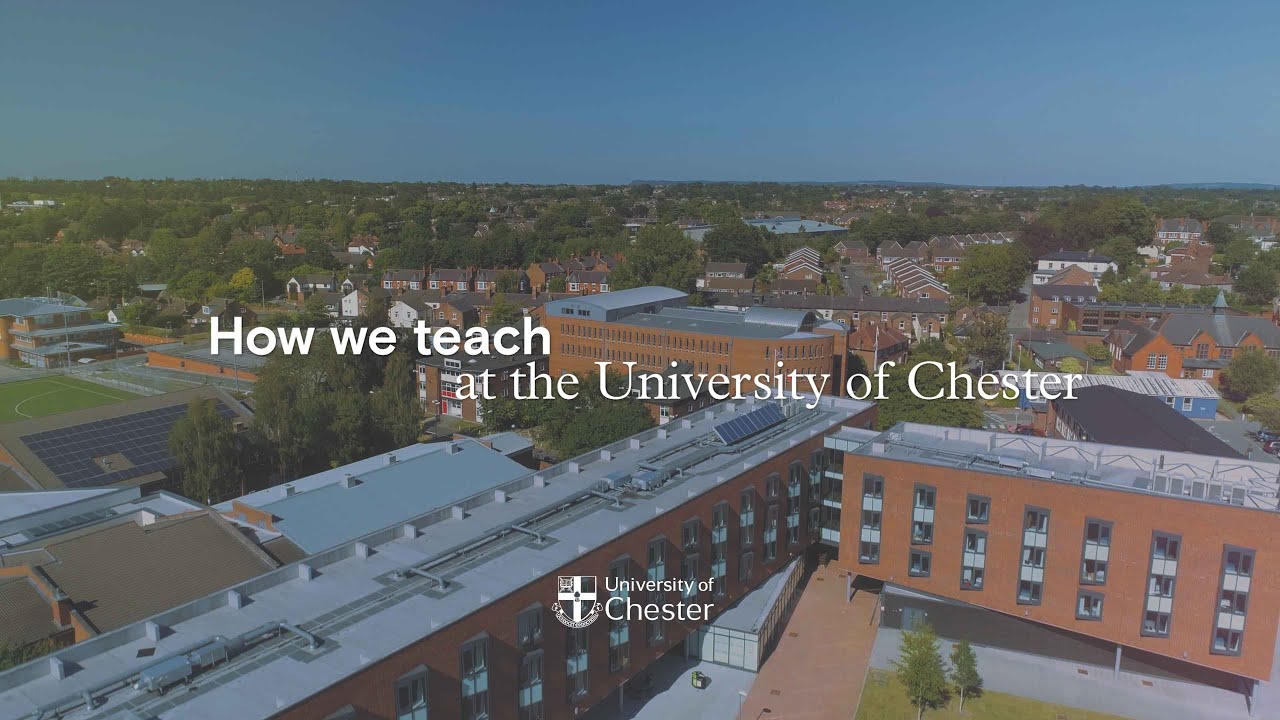
An aerial photograph of Exton Park with the text 'How we teach at the University of Chester'

How we teach at the University of Chester

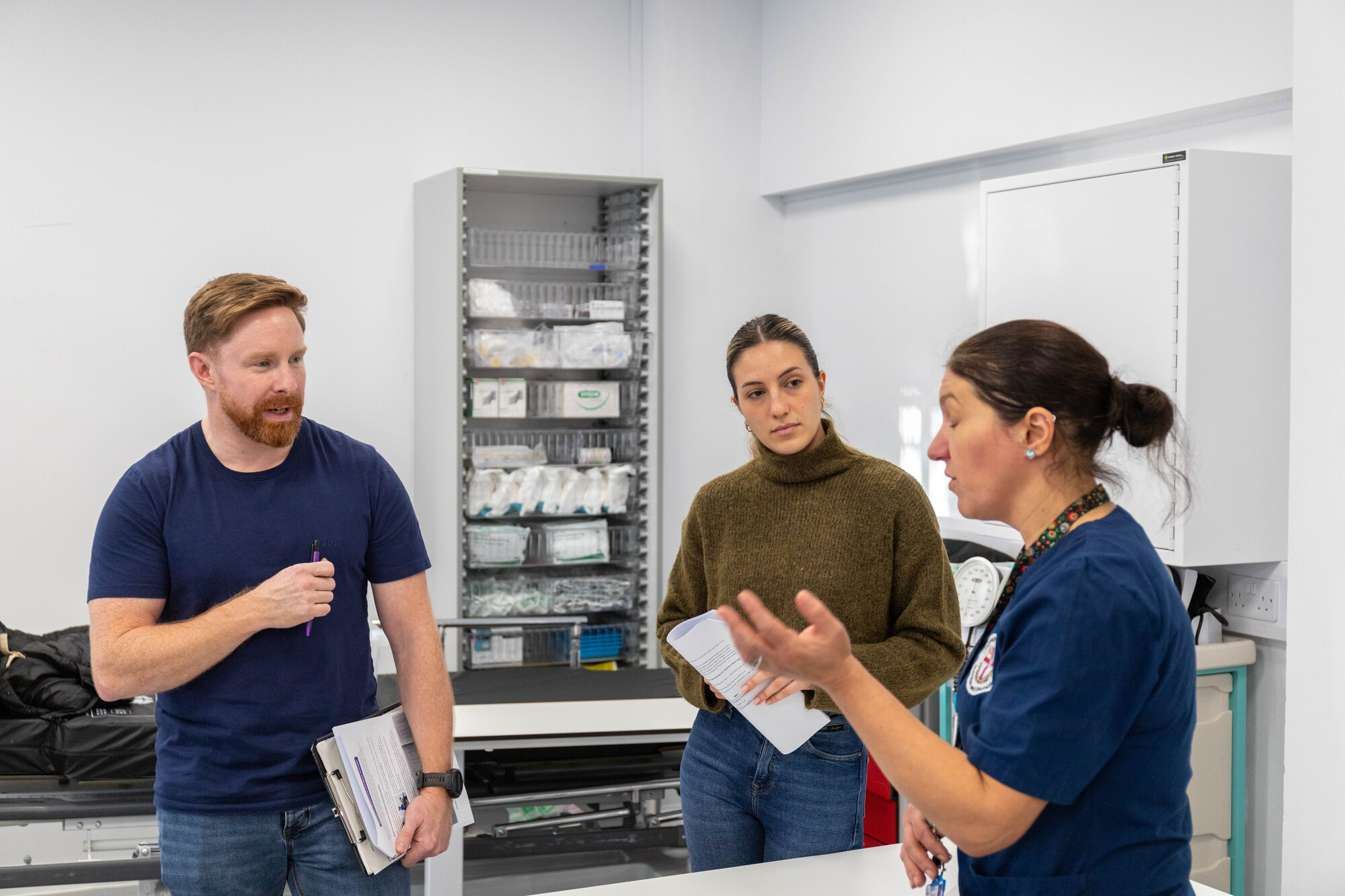
Our Nutrition course consists of lectures, tutorials, and practical work, some of which are based in our on-site laboratories. Lectures are usually one or two hours long.

The number of contact hours you will have will be between ten and 18 per week depending on whether you are in Year 1, Year 2, or Year 3, and you will spend a great deal of time during the week engaged in further reading and undertaking your coursework assignments.

As a BSc Nutrition student, your learning goes beyond lectures. You'll participate in professional development seminars that enhance key workplace skills, and you’ll hear from guest speakers working across public health, food and nutrition sectors. Our strong links with organisations, such as the NHS, Public Health England and the food industry, help bring your studies to life.

You will have access to NoWFOOD, the North West Food Research Development Centre, based on our Exton Park campus, where innovation in food and nutrition is a core focus. With support from active researchers and a welcoming academic community, you'll gain valuable experience and insight, preparing you for life after graduation.

The assessment within each module typically consists of a mixture of coursework and written examinations. Examinations follow a range of formats, including both multiple-choice and short-answer questions.

All teaching is delivered by experienced academics and practitioners, with the fundamental principles of the Chester Future Skills Curriculum at its core - building your subject competence, confidence and key transferable skills to shape you into a world-ready Chester graduate.

Your Future Career

Job Prospects

Prospects remain strong with 100% of our graduates finding graduate employment or further education with 15 months after finishing the course (Discover Uni, 2022). Many of our graduates enter directly into one of the many careers offered by the food and health industries, and a significant number also continue to study with us at the University by undertaking a Master's degree in specialist topics such as public health nutrition, weight management, and sports and exercise nutrition. Some of our students also enrol on our Postgraduate Diploma in Nutrition and Dietetics. 

Progression Options

Careers Service

The University has an award-winning Careers and Employability service which provides a variety of employability-enhancing experiences; through the curriculum, through employer contact, tailored group sessions, individual information, advice and guidance.

Careers and Employability aims to deliver a service which is inclusive, impartial, welcoming, informed and tailored to your personal goals and aspirations, to enable you to develop as an individual and contribute to the business and community in which you will live and work.

We are here to help you plan your future, make the most of your time at University and to enhance your employability. We provide access to part-time jobs, extracurricular employability-enhancing workshops and offer practical one-to-one help with career planning, including help with CVs, applications and mock interviews. We also deliver group sessions on career planning within each course and we have a wide range of extensive information covering graduate jobs and postgraduate study.

Entry Requirements

112 UCAS points

UCAS Points

112 points

GCE A Level

Typical offer – BCC-BBC, must include A Level Biology or Chemistry

GCSE

A GCSE grade C/4 (or above) in Mathematics and English Language is required.

BTEC

BTEC Extended Diploma (Applied Science): DMM

International Baccalaureate

26 points, including 5 in HL Biology or Chemistry

Irish/Scottish Highers

Irish Highers: H3 H3 H3 H3 H4, including H3 in either Biology, Chemistry

Scottish Highers - BBBB including either Biology, Chemistry

Access requirements

Access to HE Diploma (Science), to include 45 credits at level 3, of which 30 must be at Merit or above

T Level

T Level Science - Merit

OCR Cambridge Technicals

OCR Extended Diploma (Applied Science): DMM

Extra Requirements

Welsh Baccalaureate Advanced and A Level General Studies will be recognised in our offer. We will also consider a combination of A Levels and BTECs/OCRs.

English Language Requirements

IELTS

Undergraduate: 6.0 (minimum 5.5 in each band)

72 UCAS points

UCAS Points

72 points

GCE A Level

72 points overall, including grade D in A level Biology or Chemistry

GCSE

A GCSE grade C/4 (or above) in Mathematics and English Language is required.

BTEC

BTEC Extended Diploma (Applied Science): MMP

International Baccalaureate

24 points, including 4 in HL Biology or Chemistry

Irish/Scottish Highers

Irish Highers: H4 H4 H4 H4 H4, including Biology or Chemistry

Scottish Highers - CCDD including Biology or Chemistry

Access requirements

Access to HE Diploma (Science) – Pass overall

T Level

T Level (Science): Pass (D or E on the core)

OCR Cambridge Technicals

OCR Extended Diploma (Applied Science): MMP

Extra Requirements

Welsh Baccalaureate Advanced and A Level General Studies will be recognised in our offer. We will also consider a combination of A Levels and BTECs/OCRs.

Fees and Funding

£9,790 per year for a full-time course (2026/27)

The full-time tuition fees for Home students entering in 2026/27 are £9,790 a year, or £1,590 per 20-credit module for part-time study.

£14,950 per year for a full-time course* (2026/27)

The tuition fees for international students studying programmes in 2026/27 are £14,950 per year for a full-time course. This fee is set for each year of study.

For courses with a Foundation Year, the tuition fees for Year 1 are £11,250 and £14,950 for Years 2-4 in 2026/27.

Tuition fees for Home students for the Foundation Year in 2026/27 will be £5,760 (subject to Parliamentary approval) for the first foundation year of a four-year course. Tuition fees for subsequent years will be charged at the standard undergraduate tuition fee rate for that academic year. Standard undergraduate tuition fees for Home students for the academic year 2027/28 will be £10,050 for full-time students and £7,530 for part-time students (subject to Parliamentary approval). Fees for subsequent years may be subject to increase in line with the Government fee cap

  Foundation (First) Year Second Year onwards per year
Home Students £5,760 full-time fee for the first foundation year (2026/27) £10,050 full-time fee per year from the second year onwards (2027/28)
International Students * £11,250 full-time fee for the first foundation year (2026/27) £14,950 full-time fee per year from the second year onwards (2026/27)

* For courses which accept applications from International Students

Who You’ll Learn From

Dr James O'Reilly

Senior Lecturer
Dr James O

Enquire about a course