Psychological Trauma PGCert

Course Overview
Do you work in a sector or role where adversity and potentially traumatic events are frequent and want to feel more prepared and able to manage your own response and that of others? Are you an experienced professional working with traumatised individuals and want to enhance or confirm your evidence-based knowledge? Join our diverse community of professionals and learners and enrol for our multiprofessional Postgraduate Certificate in Psychological Trauma.
The PGCert in Psychological Trauma is a Level 7 one-year online course. Evidence-based and evidence-informed knowledge, as well as key current debates, will be explored in lectures but also group activities fostering experiential learning. As all learners enrolling for this course already have experience in the field of trauma, you will learn from both experienced lecturers and your peers. The course is designed so that you integrate what you learn into your professional work and to ensure your ability and confidence in navigating trauma research and practice landscape.
You will be taught in a trauma-informed way, which means that your safety and well-being remain paramount. Most professionals working in the field of trauma are likely to experience trauma themselves in various forms (previous life experiences, vicarious trauma). This is taken into consideration, from induction day to completion. You will always have two tutors during teaching days. You will also have a personal tutor and access to all University support services. Module content and activities will also leave room for personal reflection and self-care.
The underlying philosophy behind the course is an inclusive holistic view of trauma, focusing on the contributions of neurological, psychological and sociological views of psychological trauma throughout. You will be introduced to identified best practice (national and international guidelines) in terms of working with specific traumatised individuals (veterans, survivors of abuse), but also within specific contexts or types of trauma (natural disasters, childhood trauma, interpersonal violence etc.).
The course is designed to do the following:
- Provide an online intellectual setting within which you can develop an understanding of the appropriate response to psychological trauma, and improve your analytical skills. For instance, some of our past students have published articles.
- Critically examine current research related to post-traumatic stress, post-traumatic stress disorder and dissociation to inform best practice
- Familiarise you with a range of therapeutic approaches to working with psychological trauma, current understanding of the effectiveness of these approaches, as well as current debates (phasic vs non-phasic approach debate)
- Develop skills in managing traumatic incidents focusing on planning and preparedness
- Examine the models of managing traumatic incidents and the different contexts in which these might apply.
The Postgraduate Certificate in Psychological Trauma aims to enhance your critical knowledge and skills in understanding how to work with those who have experienced psychological trauma.
What our learners say (from anonymous module/programme evaluation survey):
- "What I love is how much teaching time we have on this course with the tutors, and that there is most two tutors with us all day. This is a fabulous course."
- "It worked nicely with two tutors as you knew there was support if needed in such a delicate subject at times, as you could be triggered by your own trauma."
- "The programme worked so well, I wish I was at the start of learning all over again."
Multiprofessional community

Evidence-based and broad range of expertise

Trauma-informed pedagogy

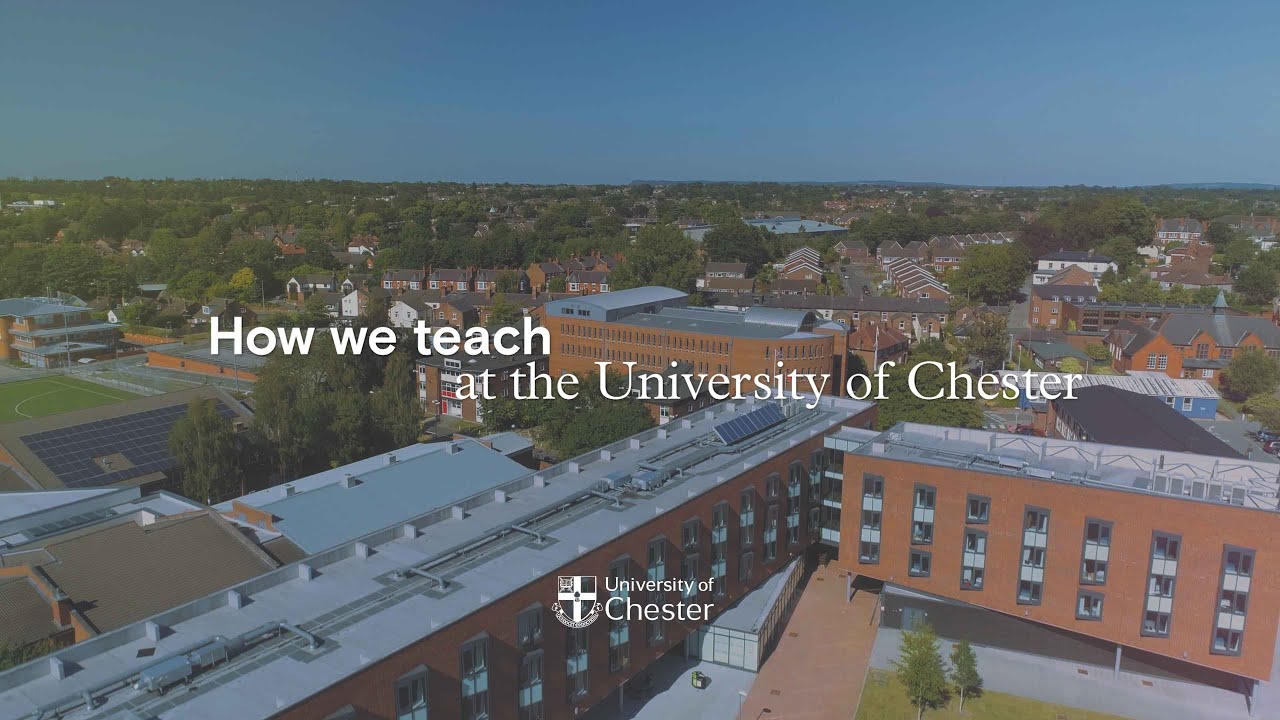
How we teach at the University of Chester
This course is designed to enhance existing knowledge and field expertise by evidence-based or evidence informed content across each module.
You'll benefit from the convenience and flexibility of learning online, experiencing live online (synchronous) teaching and learning, as well as asynchronous and self-directed study. Your online classroom will be on Teams with different channels and activities available. This allows interaction and communication with both your peers and tutors.
Synchronous online teaching will be from 9am to 6pm (UK time), which will require both a stable internet connection and a private setting. Sessions are not recorded, so attendance to all teaching days is highly recommended. The induction day will introduce you to the University's systems and the different resources (library, Study Skills, etc.), and you'll meet fellow learners and tutors. Live teaching will consist of tutors' and guests' lectures and will include group discussion, debates, and case-study work. There are three days of live teaching per module and the equivalent of one day of guided learning activities with opportunities for feedback from your tutors. For your independent study, you will be provided with resources, links and tasks.
Assessment tasks will frequently require you to consider how theory and evidence are applicable to real-world examples. These may be scenario-based, reflective, or more discursive. You will have opportunities to engage in formative assessment opportunities which build understanding, knowledge and awareness (but do not contribute to a module mark) in preparation of summative assessment tasks (those which do contribute to the overall module mark). There are two marked assignments per module, which means six overall. While the six assignments are all written ones, they will consist of different types of writing (reflective writing, learning statement, e-poster, essay, report) to ensure familiarisation with a variety of professional and research writing formats.
Your Future Career
Job Prospects
As a graduate, you may be suited to work in the area of disaster planning, or in careers where psychological trauma is a major component. This can include roles involved in occupational/professional health and wellbeing, as well as specialist areas of social work and nursing, the emergency services, rescue and support work in disaster areas, and in the military.
Progression Options
Some of our students have decided to pursue postgraduate studies. Some universities offer the possibility to complete a Master's degree if you have been awarded two Postgraduate Certificates.
If you meet the entry requirements and are interested in research, you can pursue your studies with our Professional Doctorate in Psychological Trauma.
Careers Service
The University has an award-winning Careers and Employability service which provides a variety of employability-enhancing experiences; through the curriculum, through employer contact, tailored group sessions, individual information, advice and guidance.
Careers and Employability aims to deliver a service which is inclusive, impartial, welcoming, informed and tailored to your personal goals and aspirations, to enable you to develop as an individual and contribute to the business and community in which you will live and work.
We are here to help you plan your future, make the most of your time at University and to enhance your employability. We provide access to part-time jobs, extracurricular employability-enhancing workshops and offer practical one-to-one help with career planning, including help with CVs, applications and mock interviews. We also deliver group sessions on career planning within each course and we have a wide range of extensive information covering graduate jobs.
Dr Marie Chollier
Senior Lecturer
Dr Tracey Clare
Senior Lecturer