
Psychology with Sport and Exercise Science BSc (Hons)

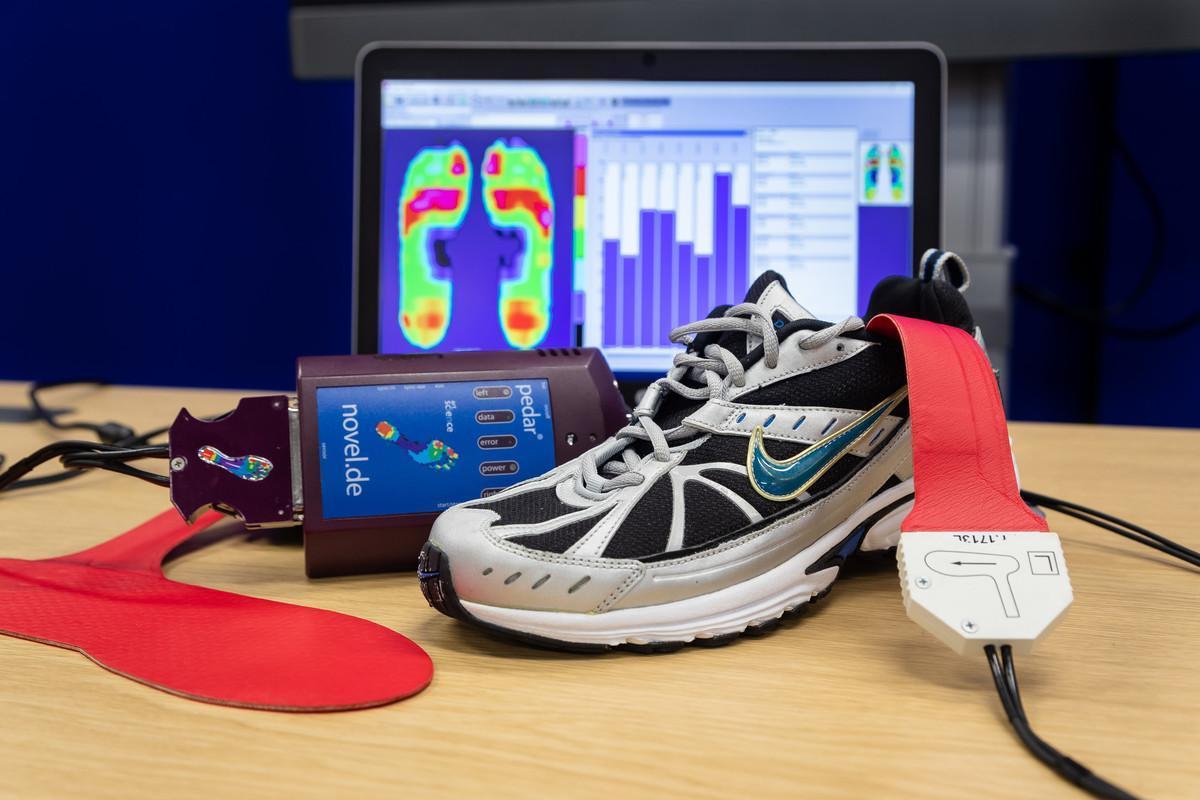
Equipment used for biomechanics and performance analysis, including a running shoe and pressure sensors, representing Psychology with Sport and Exercise Science BSc (Hons) at the University of Chester.

Are you intrigued by the intersection of sports, exercise, and psychology? Our BSc Psychology with Sport and Exercise Science combined honours degree offers a unique blend of disciplines, providing a deep understanding of human performance and wellbeing. You'll explore the fascinating world of sport psychology, physiology, biomechanics, and more, while also delving into the complexities and history of studying the human mind.

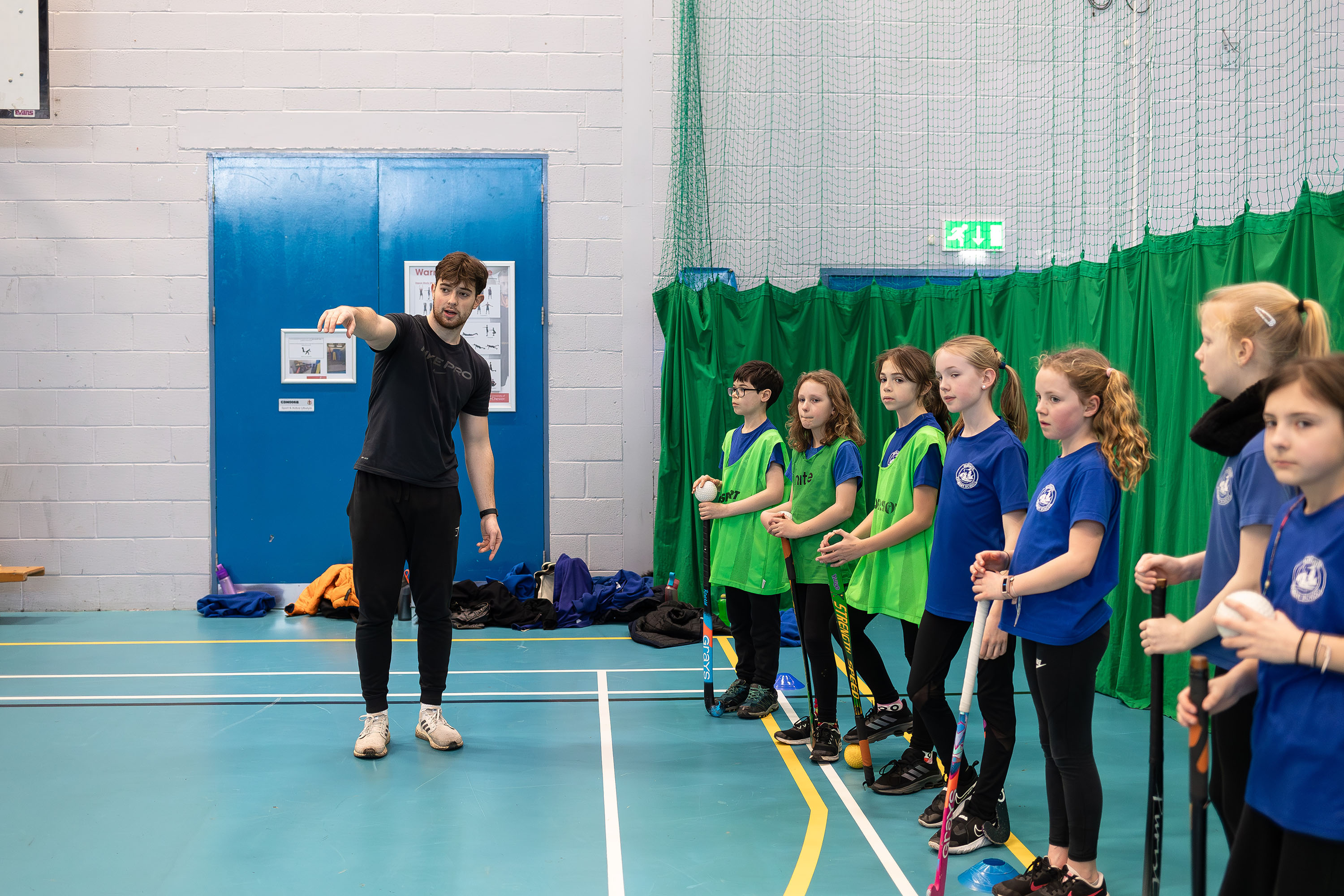
At the University of Chester, our course sets itself apart with a focus on practical learning and personalised attention. Through a combination of lectures, seminars, laboratory work and hands-on coaching sessions, you'll gain valuable skills and knowledge. Our facilities include performance analysis, muscle function, sports biomechanics and sports psychology laboratories.

With accreditation from the British Psychological Society (BPS), our degree equips you with the highest professional standards in psychology. Through a range of core and optional modules, you'll have the opportunity to tailor your studies to your specific interests, exploring a wide range of psychology and sport and exercise sciences modules. Our research-informed teaching teams provide guidance and support, helping you develop essential skills for a successful career. As a graduate, you'll have many transferable skills and will be well-prepared to work in various fields, which could include sports psychology, performance analysis, health promotion, and research. 

Accreditations

British Psychological Society Accredited

Why You’ll Love It

Studying Sport at the University of Chester

Sports and Exercise Sciences

What You'll Study

The Professional Studies Foundation Year route is designed to provide you with the knowledge and skills you will need to be successful at university and whilst on a professional and vocational course.

You will study a range of topics relating to your profession and the environment in which you will eventually work.  Areas of focus include person-centred care, mental health, children’s development, communication in a professional setting, social inequality, and how to apply psychology in the real world. 

Teaching and learning is tailored and designed with specific modules that relate to the profession you are preparing to join. You will also be introduced to the professional codes and standards that you must uphold such as, the Nursing and Midwifery Code, Social Work England, College of Policing, and national Safeguarding guidance.

This module introduces students to psychology and behavioural science, examining how these disciplines help increase understanding of human thought, emotion, and behaviour in diverse contexts. It will explore both foundational psychological theories and applied behavioural science approaches relevant to areas such as health, sport, criminology, and social behaviour. This module is designed to consolidate and broaden prior learning while providing practical insights for real-world application

The module content will cover the following areas:

  • The evolution of psychology and behavioural science – from philosophy to empirical research.
  • Core Perspectives in Psychology: Biological, Developmental, Cognitive, Social, and Individual Differences, along with historical perspectives such as Humanism, Behaviourism, and Psychodynamic approaches.
  • Behavioural Science in Action: How behavioural science informs decision-making, behaviour change, and societal outcomes (e.g., policy, health, sports performance, forensic psychology).
  • Interdisciplinary Connections: How psychological and behavioural science concepts apply across disciplines (e.g., sports performance, criminology, forensic biology, and social behaviour).
  • Ethical considerations and professional guidelines in psychology and behavioural science (e.g., British Psychological Society, Behavioural Science in Policy and Practice).
  • The role of data and experimental methods in psychological and behavioural science research.

The module will also introduce some of the core academic skills required for academic study. Including:

  • Learning to use and navigate a range of digital spaces specific to your subject
  • Understanding academic conduct and conventions for communicating information ·
  • Finding and using a range of academic sources relating to your subject

The module will explore how perceptions, personal circumstances and technology can shape our health. You will investigate areas such as technology, health promotion and inequality and how these can impact individual health experiences and outcomes, as well as considering models of health that inform belief systems.

You will also examine the role of biological concepts in the way our bodies’ function. The relationship between diseases and physiological processes within the context of organ systems will be examined.  

Indicative content:

  • Defining health in relation to the individual, society and social change
  • The importance of the biomedical, social and biopsychosocial models of health 
  • Investigate factors that influence health outcomes
  • The role and importance of health promotion in society
  • Individual health behaviour theories and applications
  • The future of health and healthcare 
  • The structure of a generalised human cell and organelles
  • Cellular transport processes including diffusion and osmosis
  • Specialised cells and tissues in the human body
  • The role of hormones and enzymes
  • Human body systems
  • Homeostasis
  • The role of genetics in human health and disease
  • Micro-organisms as a cause of infectious disease
  • The biological basis of routine investigations
  • Advancing digital and academic skills introduced during Term 1
  • Developing research and information literacy in relation to your subject
  • Creating an academic poster on a chosen research paper

This module explores the principles and practices of leadership, coaching, and change management within diverse professional contexts, including education, social work, sports management, policing, and business. Students will build self-awareness, develop coaching and leadership skills, and learn how to manage individual, team, and organizational change effectively. By combining theory with practical application, the module prepares students to navigate real-world challenges in their chosen fields.

Module Content:

  • Self-Awareness and Leadership Development:
    • Identifying personal leadership styles and growth areas.
    • Reflecting on the role of self-awareness in influencing others.
  • Building Professional Relationships:
    • Techniques for effective communication and boundary setting.
    • Coaching and mentoring for individual development.
  • Understanding Group Dynamics:
    • Strategies for managing team change and fostering collaboration.
    • Addressing conflict and building resilience in groups.
  • Leading Organizational Change:
    • Influencing culture and driving sustained change.
    • Ethical considerations and professional boundaries in leadership.

The information listed in this section is an overview of the academic content of the course that will take the form of either core or option modules and should be used as a guide. We review the content of our courses regularly, making changes where necessary to improve your experience and graduate prospects. If during a review process, course content is significantly changed, we will contact you to notify you of these changes if you receive an offer from us.

The BSc Psychology combined honours course contains core modules at each level. At level 4, students are introduced to research methods, and the core areas of Psychology (biological, cognitive, developmental, social, and individual differences). 

Core Modules

Understanding the process of acquiring new knowledge is fundamental to psychology, especially when we want to investigate human and non-human behaviour. This module will introduce you to the core skills that are essential for scientifically addressing questions relating to areas of psychology through various research methods and processes. You will learn about and study different areas of research such as study design, ethical issues, quantitative and qualitative analyses and interpretation of data. 

This module introduces aspects of individual differences and social psychology from the British Psychological Society to allow students to understand some of the possible reasons for differences in human behaviour across different situations. As such it compliments the research module that runs alongside it in explaining some of the results found, and what needs to be taken into consideration when designing research and trying to explain behaviour. There are also a range of core skills delivered in this module to enable their success across the course.

This core module is an introduction to the BPS / QAA curriculum for biological psychology, developmental psychology, and cognitive psychology. For example, in biological psychology students will explore the biological bases of human and non-human behaviour, brain structure and function, comparative and evolutionary psychology. In cognitive psychology students will explore perception, attention, memory, learning, and language. Finally, in developmental psychology, students will explore prenatal, attachment, culture, language (acquisition), risk and resilience.

The aim of this module is to develop knowledge and understanding of the fundamental areas underpinning Sport and Exercise Science and become competent in the application of theory to practice. You will develop a variety of practical and academic skills relevant to careers in Sport and Exercise Science.

Optional Modules

This module gives students the opportunity to learn about how psychology has been used to make a difference in the real world. It will examine a broad range of psychology topics, using a range of theories and empirical research in applied psychology. It considers the knowledge and principles applied to a range of real life contexts, exploring how applied psychology is used in a range of professional practices and domains. This module will allow students to explore a range of various areas and its underpinnings in research. Topics may vary each year, and the above should only be used as an indication of topics taught.This module provides you with a structured opportunity for professional development. Alongside taught lectures this module enables you to engage with content through interactive workshops which enhances personal professional development and skills.

Optional Language Modules

This module enables students with A-Level German or equivalent to further develop their grammar, vocabulary and expression and apply these to real world situations.You will work with written and recorded texts on a range of cultural, personal and social topics and will develop your oral and written communication skills at Post-A level.

This module is designed for students that have completed A-Level or equivalent in French. You will further develop your grammar, vocabulary and expression and apply these to real world situations. You will work with written and recorded texts on a range of cultural, personal and social topics and will develop your oral and written communication skills at Post-A level.

This module is designed for students that have completed a A-Level or equivalent in Spanish. You will further develop your grammar, vocabulary and expression and apply these to real world situations. You will work with written and recorded texts on a range of cultural, personal and social topics and will develop oral and written communication skills at Post-A level.

This module is designed for students who have completed GCSE in Chinese or equivalent. You will further develop your grammar, vocabulary and learning conventions for spelling and pronunciation. You will work with written and recorded texts on a range of cultural, personal and social topics and will develop oral and written communication skills at an intermediate level.

This module is designed for students who have completed GCSE or equivalent in French. You will further develop your grammar, vocabulary and learning conventions for spelling and pronunciation. You will work with written and recorded texts on a range of cultural, personal and social topics and will develop oral and written communication skills at an intermediate level.

This module is designed for students that have completed GCSE or equivalent in Spanish. You will further develop your grammar, vocabulary and learning conventions for spelling and pronunciation. You will work with written and recorded texts on a range of cultural, personal and social topics and will develop oral and written communication skills at an intermediate level.

This module provides the opportunity to study a new language from scratch and introduces you to basic grammar, vocabulary and cultural contexts. You will apply the language to practical situations using both oral and written skills. 

The information listed in this section is an overview of the academic content of the course that will take the form of either core or option modules and should be used as a guide. We review the content of our courses regularly, making changes where necessary to improve your experience and graduate prospects. If during a review process, course content is significantly changed, we will contact you to notify you of these changes if you receive an offer from us.

At Level 5, students build on research methods and expand on their learning around social psychology and individual differences. There is also the opportunity to engage in an experiential learning module, which allows students to integrate ideas from multiple perspectives in psychology and apply their knowledge ethically and professionally to real-world problems. 

Core Modules

This Research Methods module will provide students with a comprehensive introduction to the principles of research in psychology in alignment with the British Psychological Society (BPS) standards.  The module focuses on helping students develop and enhance their research techniques developed in level 4, continuing to develop a critical understanding of diverse research methods, enabling you to select the right approach/es for different psychological research questions. 

From designing experiments to working with or designing psychometric tests, you’ll learn how to generate hypotheses, collect data, and apply statistical tests with confidence.  Additionally, you’ll also learn how to present research findings effectively in written BPS reports through to visual formats. The module emphasises the application of research methods to psychological issues, equipping students to design meaningful studies and evaluate data.

This module builds on the first year PS4024 module to cover the remaining aspects of the British Psychological Society's Social Psychology and Individual Differences curriculum, with a focus on the real world implications of what students have learnt. We will explore a range of issues in society around issues such as power, politics and community that help us understand why people act as they do and how society can influence this. Students will choose to explore one of these issues in depth for their assessment.

This module has two distinct themes. Theme one is to develop awareness and skills in understanding the psychology behind job searching, job applications, writing a persuasive CV, performing appropriately at interview and using social media to search for, and apply for jobs. Theme two helps students to apply psychology in real life situations in a discipline of interest chosen by the student. Students will work in groups and use psychological theory to solve specific problems either provided by partners within the community, working with partners in the community or provided in-house by staff. This is an experiential learning module where more than half of the content is delivered using practical exercises. Students will have an opportunity to take a self-directed approach to building essential skills.

The aim of this module is to provide an opportunity for you to further your understanding of multidisciplinary scientific principles that limit, control and determine sporting performance. The module will provide you with the applied, practical and analytical skills necessary to evaluate and critically assess human performance. An emphasis will be placed on developing an understanding of how human performance is influenced by a variety of integrated factors in sports physiology and biomechanics disciplines.

This module focuses on the relationship between exercise and health. You will become familiar with and implement psychosocial measures of health that will provide you with the applied, practical and analytical skills to evaluate the relationship between exercise and health. You will critically evaluate the role of exercise for potential quality of life, well being and mental health.

Optional International Placement Year

Preparation for the year abroad will take place in Chester during level 5 and will include:

  • Cross-cultural issues and sensitivity
  • Host-country orientation, study methods– economic, political and social reality of the country
  • Orientation specific to exchange – health, education, gender issues
  • The United Nations Sustainable Development Goals
  • Practical matters relating to living and studying in the wider world

Theories, models and strategies of learning

  • Critical thinking skills, experiential learning and models of reflection

Personal and placement-related transversal skills

  • Effective self-motivation and independent resourcefulness
  • Effective time management and organisational skills
  • Project management – working away from University and independent study
  • Self-management and personal development

Whilst abroad:

You will undertake study at one of the University of Chester's partner universities or undertake and approved work placement or virtual placement. If you are a student,  it is expected that you will choose a series of modules at the university abroad which must be agreed by the host institution and the Module Leader. you must supply details of you modules on a learning agreement within 4 weeks of arrival at the host university.

The information listed in this section is an overview of the academic content of the course that will take the form of either core or option modules and should be used as a guide. We review the content of our courses regularly, making changes where necessary to improve your experience and graduate prospects. If during a review process, course content is significantly changed, we will contact you to notify you of these changes if you receive an offer from us.

At Level 6, students will have the opportunity to complete a large-scale dissertation where they will be able to demonstrate a range of research skills, including designing and planning, considering and resolving ethical issues, and analysis and dissemination of findings. They will also be able to learn in-depth knowledge on core aspects of psychology, such as biological, cognitive and developmental psychology.

Core Modules

Psychopathology aims to promote students understanding of psychological disorder, how it develops and is maintained, and to help you to think about how, as psychologists, we might best intervene to promote psychological wellbeing.  This module explores research, practice, and service user perspectives on psychopathology throughout the lifespan, providing students with a robust understanding of current thinking and approaches in the field of clinical and counselling psychology.

This module will provide you with the knowledge, understanding and skills to work with high performance athletes. Contemporary multi-disciplinary issues relating to training, performance and recovery in a variety of high performance settings will be covered. You will also be provided with the opportunity to use relevant practical skills necessary to support the high performance athlete.

This module focuses on exercise participation, adherence and health. Models and theories of exercise behaviour change will be critically evaluated in terms of their application and effectiveness. The psychosocial implications of exercise participation and over-involvement in exercise behaviours will be considered within the context of exercise prescription/interventions. 

Students design and carry out a piece of empirical research with the support of a named supervisor. This offers an opportunity to apply psychological theories and methods covered in the first two years of their degree to a specific area of Psychology. Students plan their project, apply for ethical approval, undertake data analysis, and prepare a final report.

This module further develops your knowledge and understanding of three important core areas of the British Psychological Society (BPS) curriculum. In Biological Psychology, we will cover biologically-based explanations of behaviour. In Cognitive Psychology we examine mental processes. In Developmental Psychology, we study how people change across the lifespan. Across all topics, we explore how the topics that we cover can be applied to wider world issues. 

The information listed in this section is an overview of the academic content of the course that will take the form of either core or option modules and should be used as a guide. We review the content of our courses regularly, making changes where necessary to improve your experience and graduate prospects. If during a review process, course content is significantly changed, we will contact you to notify you of these changes if you receive an offer from us.

How You’ll Learn

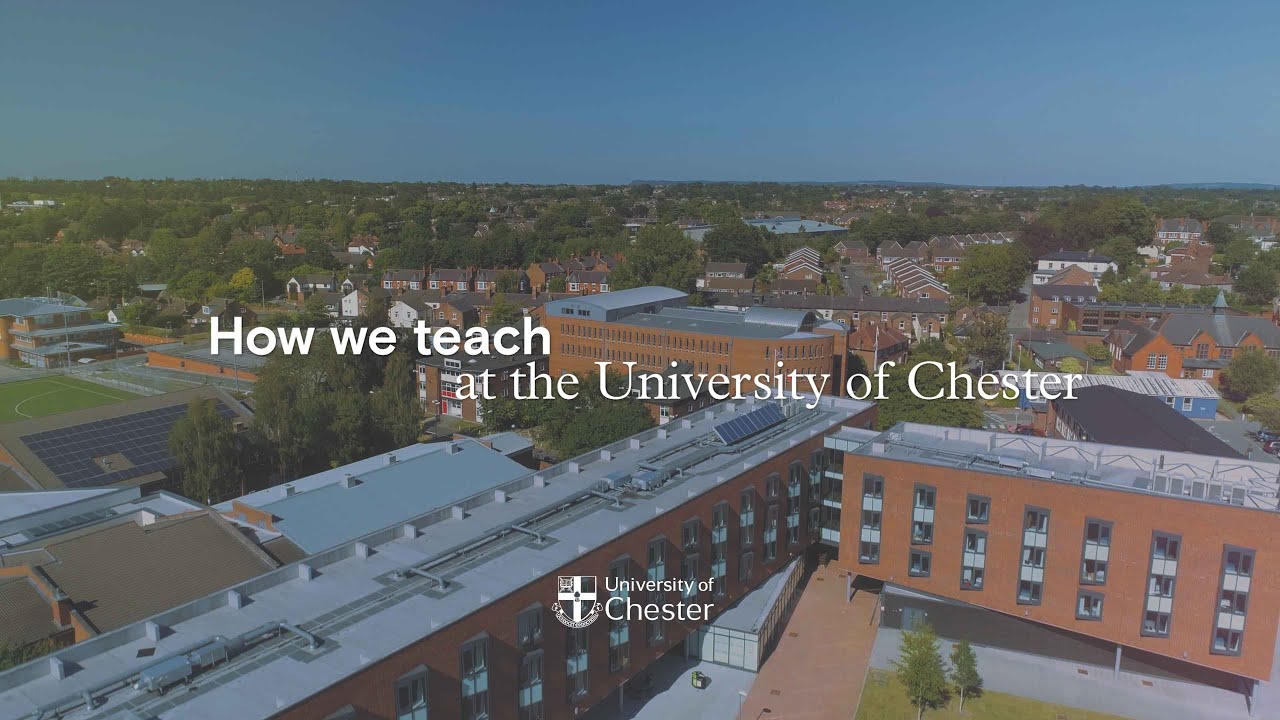
An aerial photograph of Exton Park with the text 'How we teach at the University of Chester'

How we teach at the University of Chester

This course is delivered in three terms of ten weeks each, with one term being focused on psychology, one term focused on your other subject and one term being a combination of the two subjects, with the exception of Level 6, where you may study both subjects across all three terms. In each term, students study 40 credits comprised of either one or two modules. Scheduled contact hours range between approximately six and ten hours per week depending upon level of study and the complexity of the material being taught. For psychology, students can expect to take part in lectures, laboratory classes, workshops, seminars and one-to-one tutorials/supervision. Students are expected to engage in independent study (approximately 30-35 hours per week), which may include engaging with asynchronous learning material on the University’s VLE, tutorial time with staff, using the University’s library, preparing work for assessment, etc. There will also be times when students need to work collaboratively with others.

If studied, the Foundation Year, as with the following years of study, will be taught in three 10-week blocks across an academic year. Each block will comprise of a large 40-credit subject-specific module that includes a breadth of topics and subject skills. You will have on average 12-14 hours of contact time per week during the Foundation Year. There may be variations to this where subject practical or specialist space teaching is included.

Teaching will be delivered by experienced academics and practitioners in the subject. This may be supplemented by occasional guest lecturers and speakers.

There will be a broad range of assessment methods so that students are exposed to the different types of task they might encounter in the workplace. Assessment methods may include essays, research reports, reflective reports, presentations and multiple choice examinations. These and other assessments such as case studies, portfolios and blogs allow students to demonstrate their competencies in these areas and to develop their skills in writing for both academic and non-academic audiences.

We continuously review the assessment methods used to ensure they adequately prepare students for graduate level employment.

All teaching is delivered by experienced academics and practitioners, with the fundamental principles of the Chester Future Skills Curriculum at its core - building your subject competence, confidence and key transferable skills to shape you into a world ready Chester graduate.

Your Future Career

Job Prospects

Combined Honours sport and exercise science students pursuing a career in the sport and exercise employment sector often find the applied aspects of the degree most useful when it comes to gaining employment. Previous graduates work in professional sports clubs and organisations as sport science support staff; others have gone into health promotion or teaching, amongst other areas.  

Many of our psychology graduates go on to postgraduate studies in psychology (e.g., cognitive neuroscience, forensic psychology or sport psychology) or have secured a graduate role in industries such as marketing, banking and project management due to their sought-after transferable skills, such as communication, team working, analysis, and creative and critical thinking. 

Careers Service

The University has an award-winning Careers and Employability service, which provides a variety of employability-enhancing experiences; through the curriculum, through employer contact, tailored group sessions, individual information, advice and guidance.

Careers and Employability aims to deliver a service which is inclusive, impartial, welcoming, informed and tailored to your personal goals and aspirations, to enable you to develop as an individual and contribute to the business and community in which you will live and work.

We are here to help you plan your future, make the most of your time at University and to enhance your employability. We provide access to part-time jobs, extra-curricular employability-enhancing workshops and offer practical one-to-one help with career planning, including help with CVs, applications and mock interviews. We also deliver group sessions on career planning within each course, and we have a wide range of extensive information covering graduate jobs and postgraduate study.

What Our Students Think

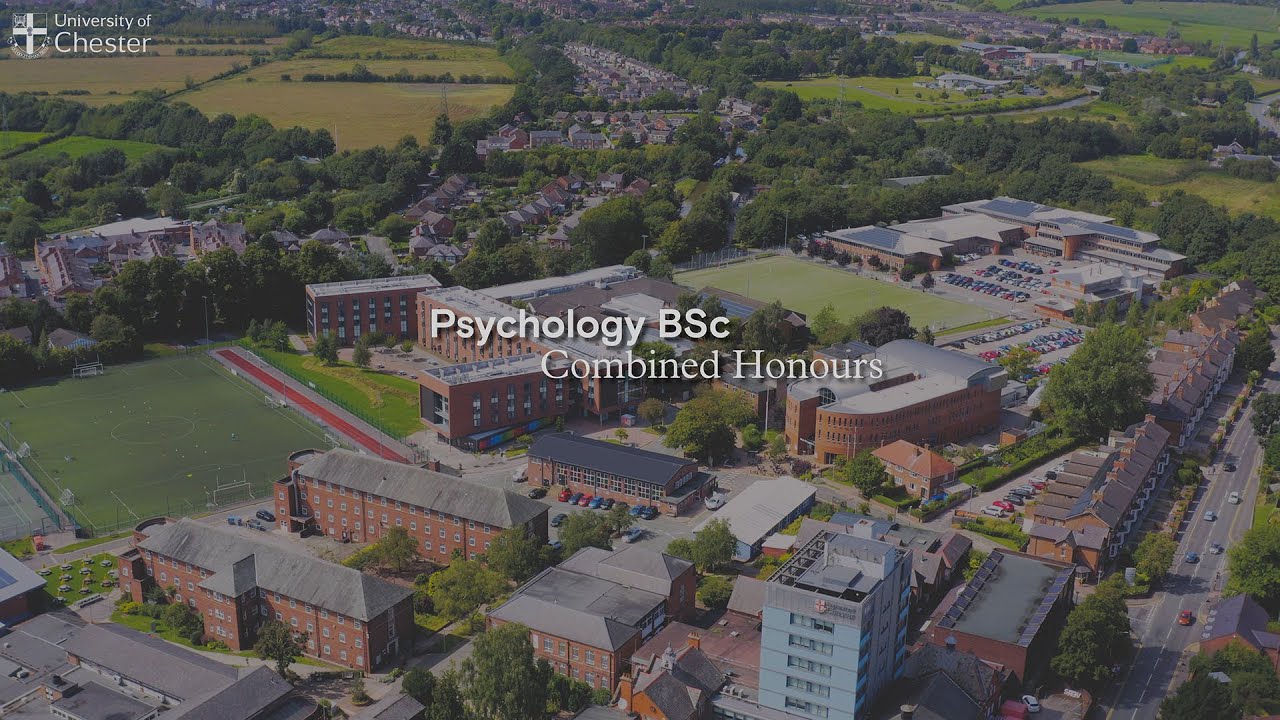
Psychology BSc Combined Honours video

Psychology BSc Combined Honours at the University of Chester

Entry Requirements

112 UCAS points

UCAS Points

112 points

GCE A Level

Typical offer – BCC-BBC

GCSE

A GCSE grade C/4 (or above) in Mathematics and English is required.

BTEC

BTEC Extended Diploma (Sport): DMM

International Baccalaureate

26 points

Irish/Scottish Highers

Irish Highers: H3 H3 H3 H3 H4

Scottish Highers - BBBB

Access requirements

To include 45 credits at level 3, of which 30 must be at Merit or above

T Level

Merit

OCR Cambridge Technicals

OCR Extended Diploma (Sport): DMM

Extra Requirements

Welsh Baccalaureate Advanced and A Level General Studies will be recognised in our offer. We will also consider a combination of A Levels and BTECs/OCRs.

English Language Requirements

IELTS

Undergraduate: 6.0 (minimum 5.5 in each band)

72 UCAS points

UCAS Points

72 points

GCE A Level

72 points overall, including grade D in A level

BTEC

MMP

International Baccalaureate

24 points

Irish/Scottish Highers

Irish Highers: H4 H4 H4 H4 H4

Scottish Highers - CCDD

Access requirements

Pass overall

T Level

Pass (D or E on the core)

OCR Cambridge Technicals

MMP

Extra Requirements

Welsh Baccalaureate Advanced and A Level General Studies will be recognised in our offer. We will also consider a combination of A Levels and BTECs/OCRs.

Fees and Funding

£9,790 per year for a full-time course (2026/27)

The full-time tuition fees for Home students entering in 2026/27 are £9,790 a year, or £1,590 per 20-credit module for part-time study.

£14,950 per year for a full-time course* (2026/27)

The tuition fees for international students studying programmes in 2026/27 are £14,950 per year for a full-time course. This fee is set for each year of study.

For courses with a Foundation Year, the tuition fees for Year 1 are £11,250 and £14,950 for Years 2-4 in 2026/27.

Who You’ll Learn From

Dr Carmel Edwards

Senior Lecturer
Dr Carmel Edwards

Dr Liz Whelen

Senior Lecturer
Dr  Liz Whelen

Dr Janine Carroll

Senior Lecturer
Dr Janine Carroll

Dr Hayley Cooper

Senior Lecturer
Profile picture for Hayley Cooper

Dr Lindsay Murray

Associate Professor
Dr Lindsay Murray

Kate Miller

Lecturer
Kate Miller

Enquire about a course