Challenging Stigma Around Homelessness as part of your Social and Political Science Degree
Dr Kim Ross, Deputy Head of Division for Social and Political Sciences, talks through a recent project where Sociology and Criminology students learned about homelessness and positive community action.
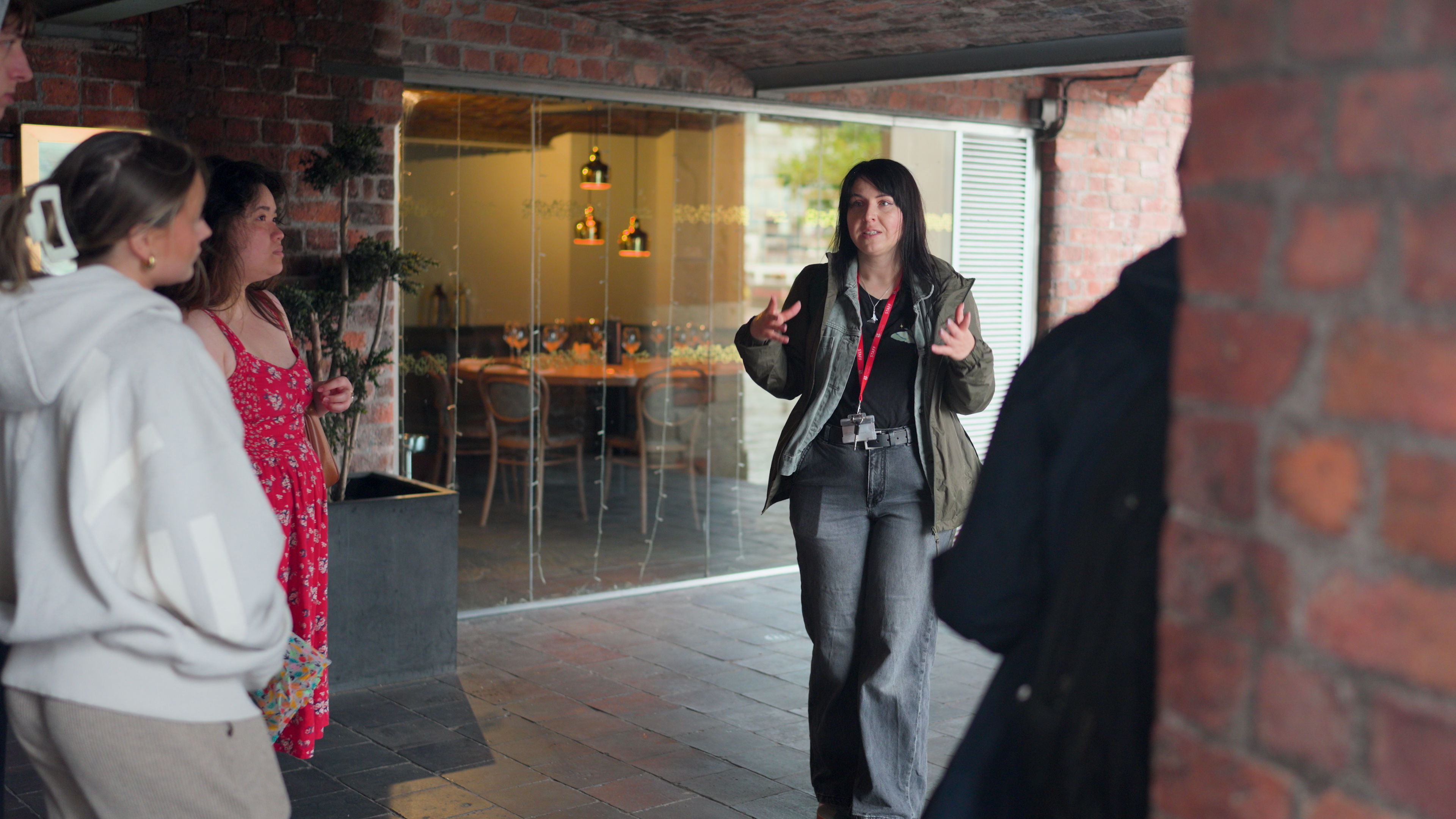
Sociology and Criminology are degrees that uniquely teach you to look at the society you’re in and examine the way it works through engaging with methods of social action. Our Social Impact Leadership in Action module provides you with the experience to bridge the gap between your own personal social missions and the academic theory and practice you learn as part of your degree at Chester.
Civic responsibility is at the heart of our Social and Political Science degrees, and we encourage you to participate in actively improving the world we live in by learning from experts, creating your own project, and working with other students across different disciplines in this pursuit.
One of the projects available to students this year focused on homelessness, exploring the complex challenges faced by vulnerable members of society and raising awareness of the stigma they often encounter. Kim has put together exactly what the project around homelessness consisted of to give you an example of the type of project you could get involved with as part of your studies at Chester.
Challenging Stigma and Changing Perspectives
As part of our Homelessness Social Action Project, we had the opportunity to explore the complex issue of homelessness through a series of engaging talks and experiences. The project aimed to deepen our understanding of the causes and impacts of homelessness, as well as the stigma faced by those experiencing it. It also encouraged us to consider how we can contribute to positive social change by addressing these issues through public social science. Through expert speakers, personal stories, and community engagement, we gained valuable insights into the realities of homelessness, reflected on our own misconceptions, and considered ways in which stigma could be challenged.
Talk with a Local Councillor
One of the highlights of the project was a talk from a local councillor, Richard Beacham, who specialises in housing and homelessness. Richard explained the challenges local authorities face in addressing homelessness, including housing shortages, rising living costs as well as the need for coordinated support services. He also discussed current initiatives being implemented within our local community and highlighted the importance of partnership working between councils, charities, healthcare providers, and housing organisations. This session provided us with a valuable policy-level understanding of homelessness.
Personal Accounts of Homelessness
We were also privileged to hear from an individual from the West Cheshire Poverty Truth Commission with lived experience of homelessness. Their personal story was powerful and deeply moving, offering an honest account of the difficulties they have faced. This encouraged us to reflect on the importance of involving individuals with lived experience in the design and delivery of services, emphasising the value of co-production. Listening to their experiences challenged many common misconceptions about homelessness and reinforced the importance of compassion, dignity, and understanding. This talk was truly inspiring and highlighted the human realities behind the statistics.
Hearing from Charity CEO
Another valuable contribution came from Rob Whittall, CEO of Chester Aid to the Homeless, who shared insights into the vital role charities play in supporting vulnerable individuals. We later visited the charity to observe firsthand the services they provide, including accommodation support, advice as well as practical assistance.
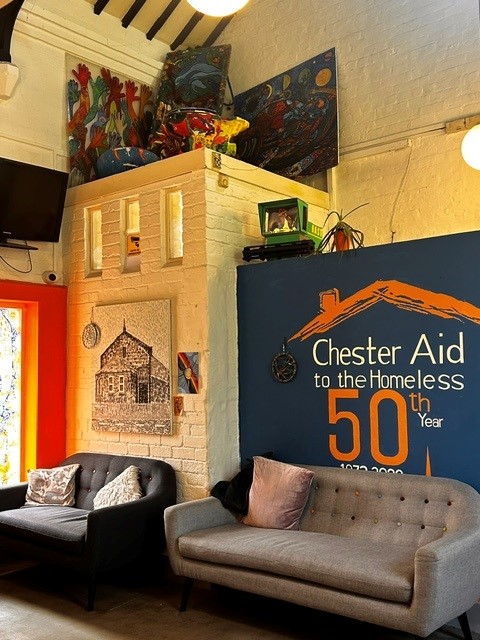
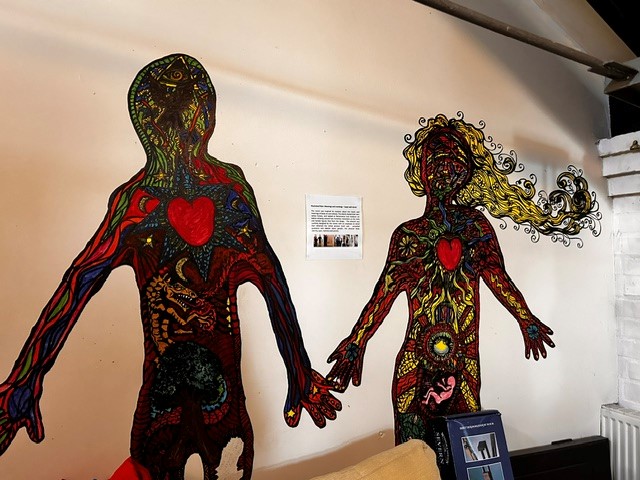
We reflected on how the environment differed from our expectations. Rather than a clinical atmosphere, the space felt comfortable and welcoming. We were particularly impressed by the artwork displayed throughout the building, created by individuals using the service, which added a sense of identity and community.
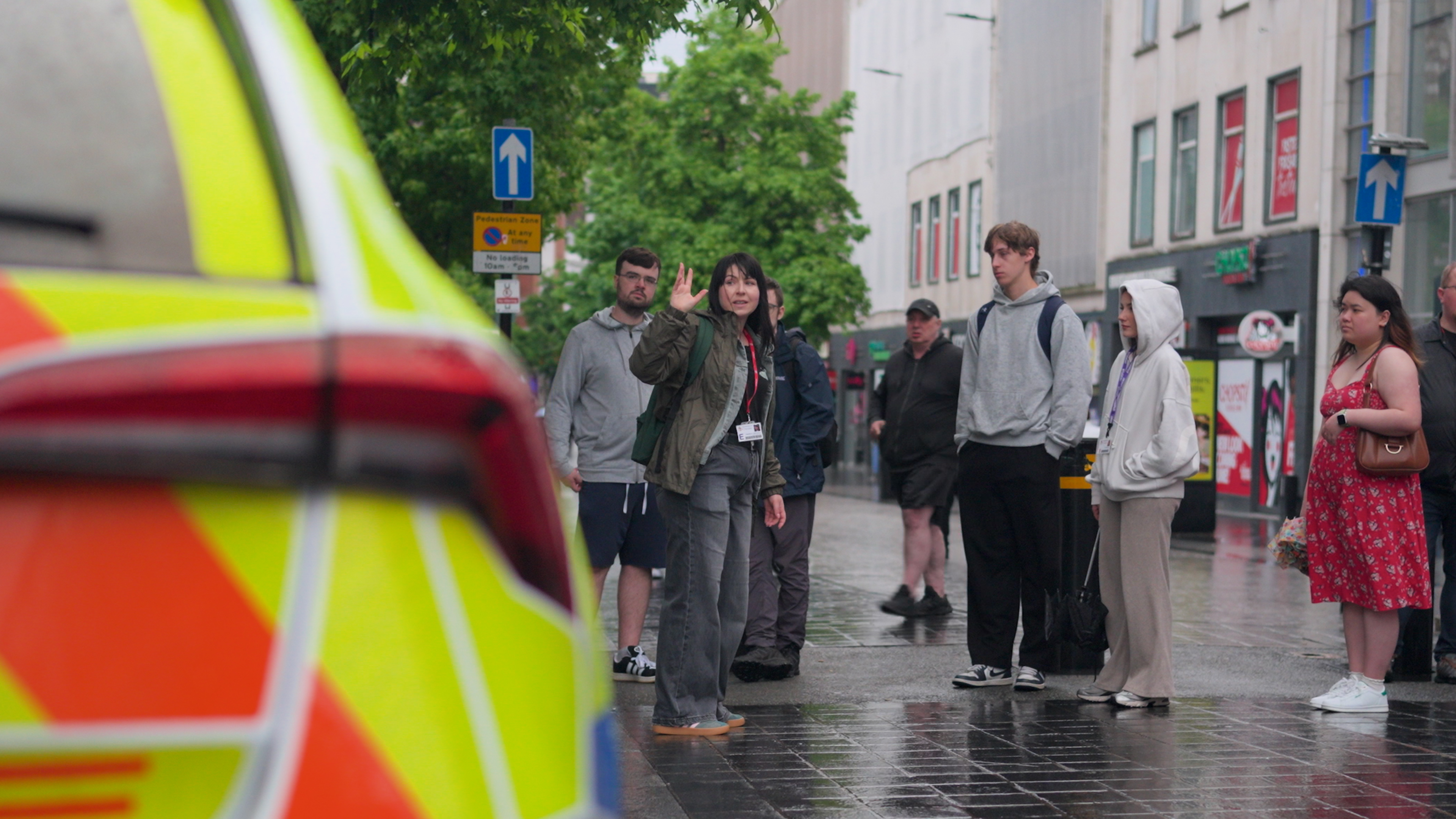
Field Trip- Understanding Urban Spaces
We also took part in a field trip to Liverpool, where we explored and reflected on the structural and environmental factors that contribute to homelessness and stigma. We critically examined anti-homeless architecture and the privatisation of urban spaces. This interactive experience helped us connect theoretical knowledge with real-world observations and deepened our understanding of how the built environment can influence social inclusion or exclusion.
After hearing from professionals, individuals with lived experience, and charity leaders, we developed a more comprehensive understanding of homelessness and the challenges involved in addressing it. As part of the project, we created content designed for social media to help challenge stigma and address common misconceptions. The experience reinforced the importance of empathy, collaboration, and social responsibility, inspiring us to consider how we can contribute to efforts to reduce homelessness and promote more inclusive communities.
Make sure to read more about the ins and outs of this module for your future degree on our course pages: