Has the FIFA World Cup become too expensive for many match-going fans?
New research from scholars at US and UK universities puts pricing in focus.
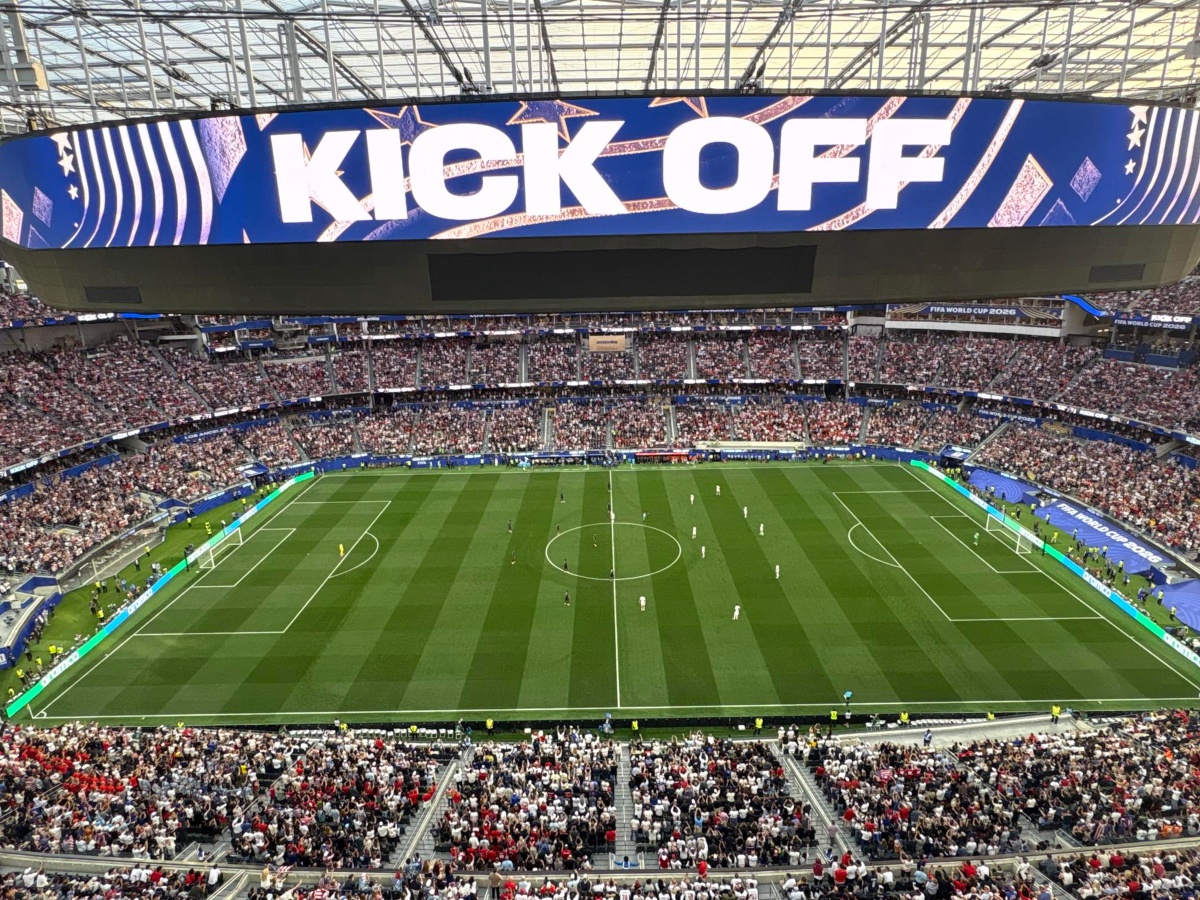
As the 2026 FIFA World Cup reaches the later stages, stadiums across North America are attracting huge crowds and showcasing football's global appeal. Yet research argues that, despite packed venues, the cost of attending matches remains a growing concern for many supporters.
Dr Leon Davis, a Senior Lecturer in Management at the University of Chester’s Business School, in the UK, and Dr Adam S. Beissel of Miami University (Ohio), USA, have examined how ticket pricing for the 2026 FIFA World Cup is reshaping access to football's biggest tournament.
Their paper, Pricing the World Cup: The Political Economy of Access in FIFA World Cup 2026, recently published in Managing Sport and Leisure, explores how dynamic pricing, tiered ticket categories, and official resale systems influence who can attend matches.
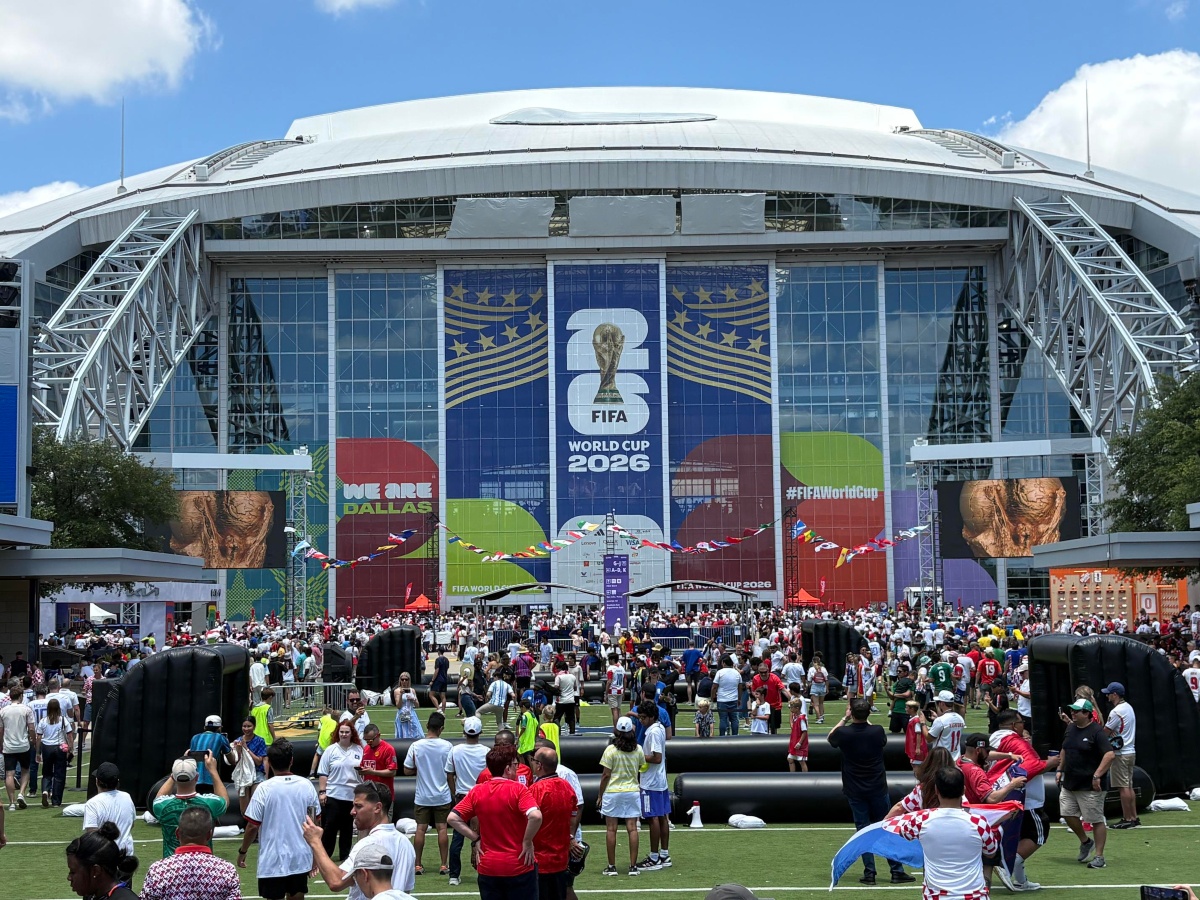
The researchers argue that while the tournament has delivered strong attendances and a vibrant atmosphere, the financial barriers facing supporters have increased significantly. Rather than simply reflecting demand, ticket pricing has become a mechanism that determines who can access the World Cup, raising important questions about affordability, inclusion, and the future of fan participation.
Dr Davis said: “The World Cup is often described as football's global celebration, but attending it is becoming increasingly expensive. Our research asks a simple question: if many supporters are being priced out, who is the World Cup really for? The growing emphasis on revenue maximisation means affordability is no longer just an economic issue, but one of inclusion, legitimacy, and the future of fandom.”
Dr Beissel added: “This is the most expensive World Cup in history. FIFA’s use of dynamic ticket pricing and a ticket resale market means that fans are often spending thousands of dollars to attend just one match. FIFA’s ticket pricing decisions raise serious questions about affordability, access, and barriers to entry. As a result, the World Cup has been transformed from a shared event that could be enjoyed by many to a luxury experience that can be attended by only a select few.”
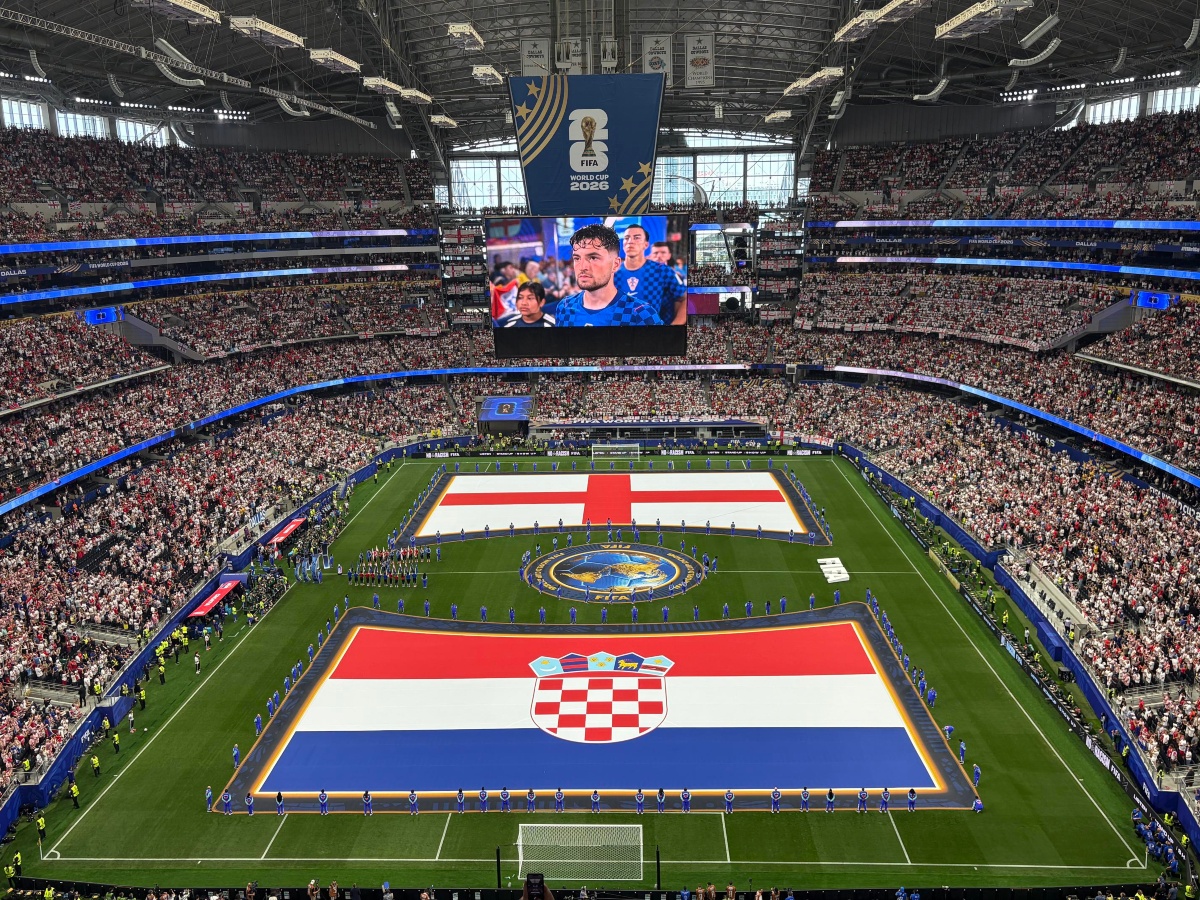
The study also questions assumptions surrounding demand-driven pricing. While FIFA introduced premium-priced tickets to maximise revenue, a small proportion of lower-priced categories were later released - and thousands of tickets remained available leading into the tournament. Dr Davis and Dr Beissel put forward that this highlights the limits of relying solely on commercial demand when planning access to major sporting events.
To read the article in full, please visit the Pricing the World Cup article page on the Taylor & Francis website.
Images: The 2026 FIFA World Cup by Dr Adam S. Beissel.