Chester Connections
Welcome from the Vice-Chancellor
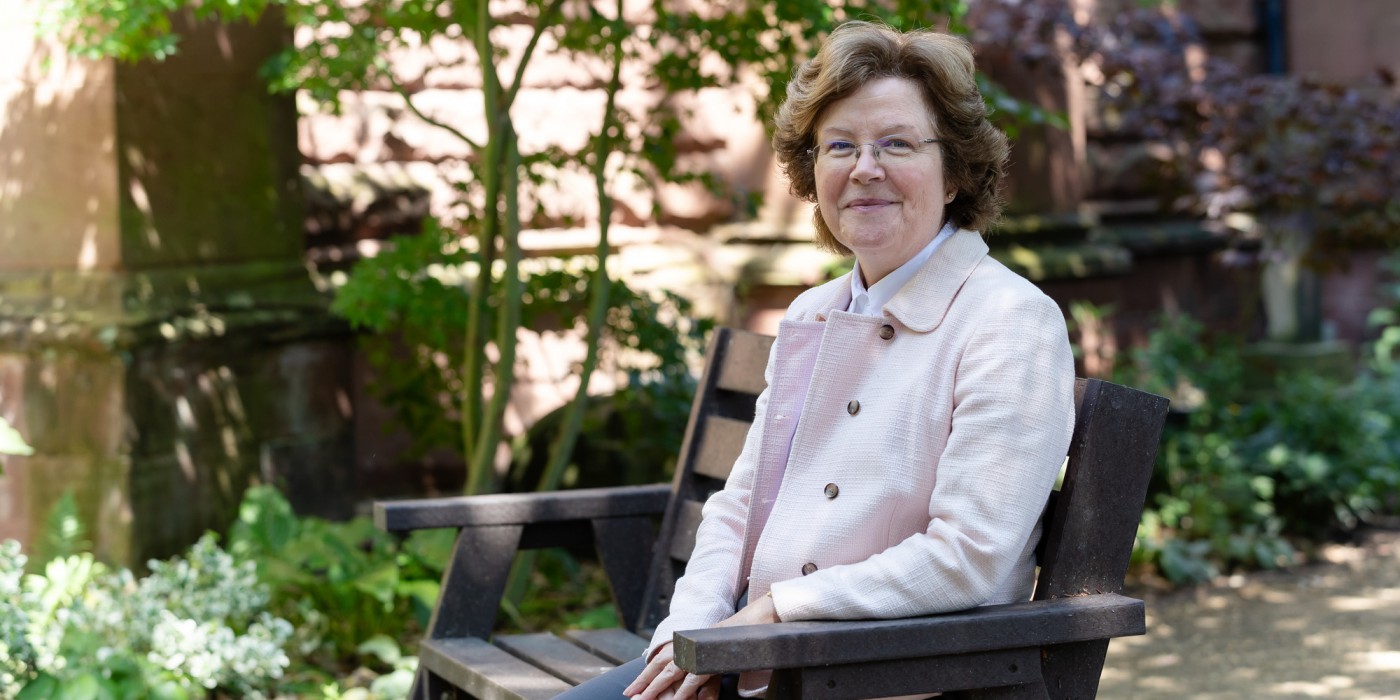
It is my pleasure to welcome you to the first edition of Chester Connections. This termly newsletter aims to update you with the latest news and developments here at the University of Chester.
As we head towards the Christmas break, we have much to celebrate. The first term of our academic year is always exciting as we host our November graduation ceremonies and join the family and friends of our proud graduates in such an important celebration and culmination of all their hard work. We also welcomed Dame Jenny Harries DBE DL to our university community when she was installed as our new Chancellor in Chester Cathedral during graduation. I’m delighted that Dame Jenny's predecessor, Dr Gyles Brandreth, remains a firm part of the University in his role as Chancellor Emeritus and we wish to thank him for his years of service. We have also seen John Mills take the role of President on the University Council, bringing with him years of financial and commercial experience.
I hope you will read this newsletter and enjoy the successes here at the university – from our hard-working students through to our environmental improvements and forthcoming public events. I look forward to sharing these updates with you each term.
With best wishes,
Professor Eunice Simmons
Lyndon Howson
Studying at the University of Chester has led to an internationally award-winning passionate wildlife ambassador gaining his dream job in conservation. Lyndon seized every opportunity at university to get involved with volunteering, giving him invaluable experience for his future career.

Movember fundraisers
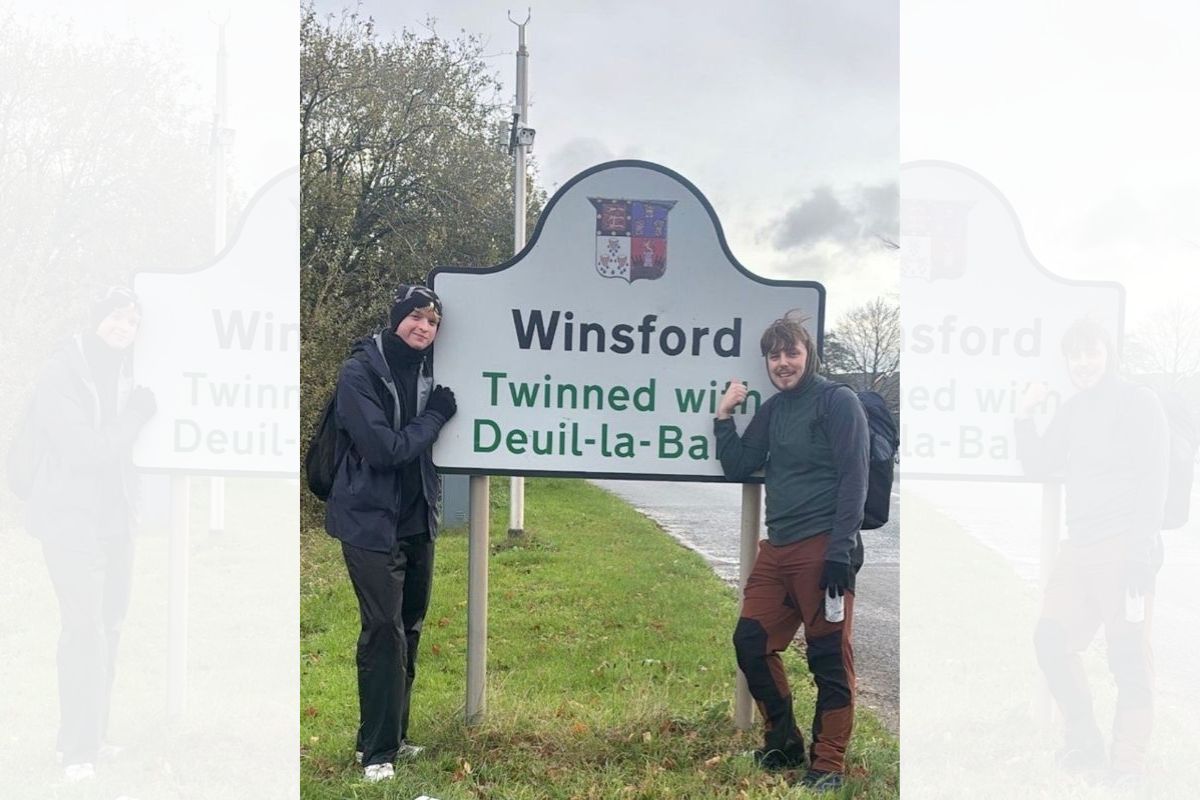
Mental Health Nursing students, Bradlee Bugg, Adam Crawford, Ella Smith and Harvey Betts, recently walked the equivalent of 37 miles from the university’s Wheeler building in Chester to Manchester Airport to raise money for Movember. They have raised almost £900 for the cause.
Ramitha Nittore Ramnath
Ramitha Nittore Ramnath, Assistant Hindu Chaplain at the university, won the inaugural UK Council for International Student Affairs’ (UKCISA) WeAreInternational Awards. Ramitha, an undergraduate Psychology student, was one of five students shortlisted from 420 nominations in the Student of the Year category.

Shaping the Healthcare Workforce of the Future
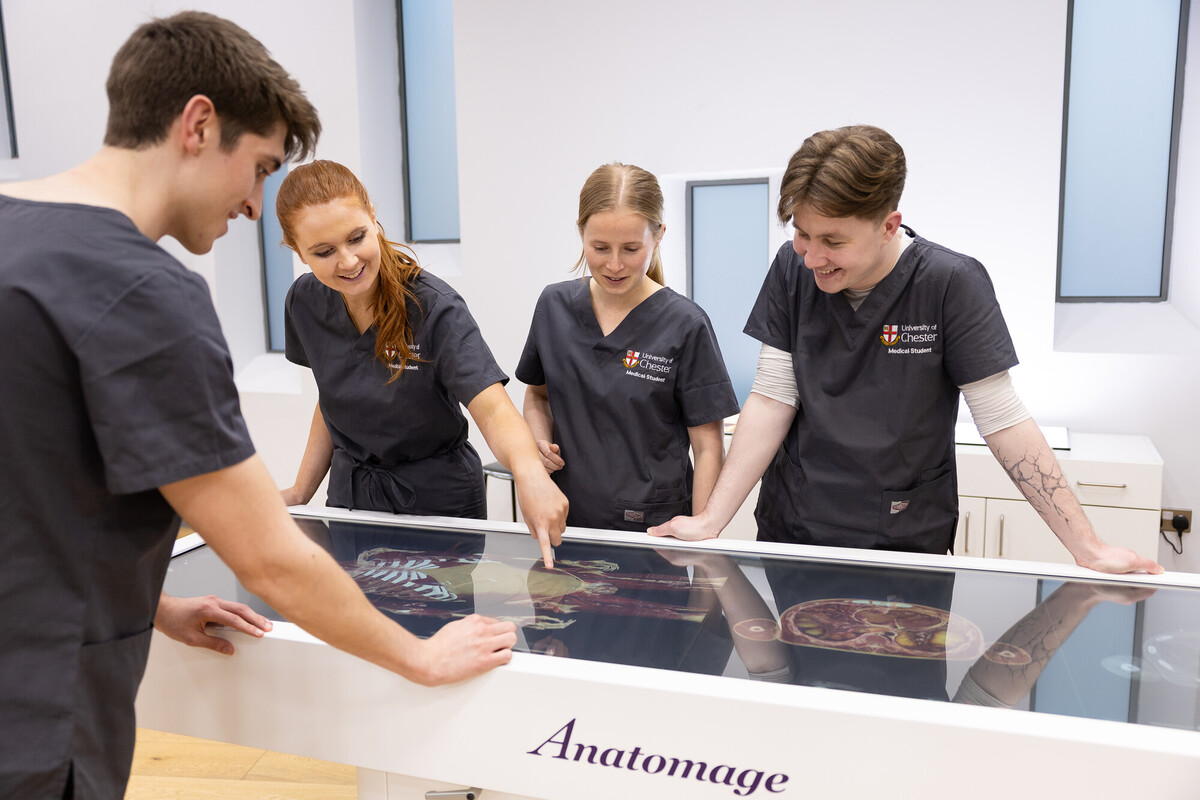 Students examining an interactive anatomy table.
It’s just over a year since we welcomed the first students to the University of Chester Medical School to train as doctors.
Marking a significant milestone in the university’s ongoing commitment to excellence in medical education, a pioneering cohort joined us to begin their studies in MBChB (Bachelor of Medicine and Surgery) Graduate Entry Medicine.
The MBChB Graduate Entry Medicine programme is a four-year degree open to applicants with a previous degree in any discipline. Unlike many traditional MBChB degrees, this allows more mature students to consider becoming a doctor after having completed a previous course of study towards a graduate degree.
The programme welcomes people from a wide variety of backgrounds who wish to pursue a degree in graduate entry medicine in the UK, not just those with a background in science or allied health care disciplines.
The course is designed to enable students to learn in clinical settings from an early stage. Clinical placements are based in the community, general practices and NHS hospitals throughout Cheshire, Shropshire and North Wales.
The programme’s launch was a key moment in the development of - and addition to - the university’s new Chester Medical School, a medical school for and in the community.
The School offers a portfolio of undergraduate and postgraduate courses in the biomedical and life sciences as well as medical practice, supporting students to learn, stay and contribute locally, developing a sense of place, sensitive to population healthcare needs.
It is built on the strong founding principles and ethos of the University of Chester, which include service to the community and compassion, and the education and training of those with a vocation including teachers and healthcare professionals.
The university’s new Chancellor, Dame Jenny Harries, who is a doctor and health professional, has also shared her excitement about the Medical School. She said: “I am clearly itching – although that might not be a very healthy idiom to use – to work with Chester Medical School, where I already see developing a unique programme of community-focused medical training, so needed by global communities, and which I believe Chester can own uniquely and excel in.”
Future developments and updates from Chester Medical School will be shared in forthcoming editions of this newsletter.
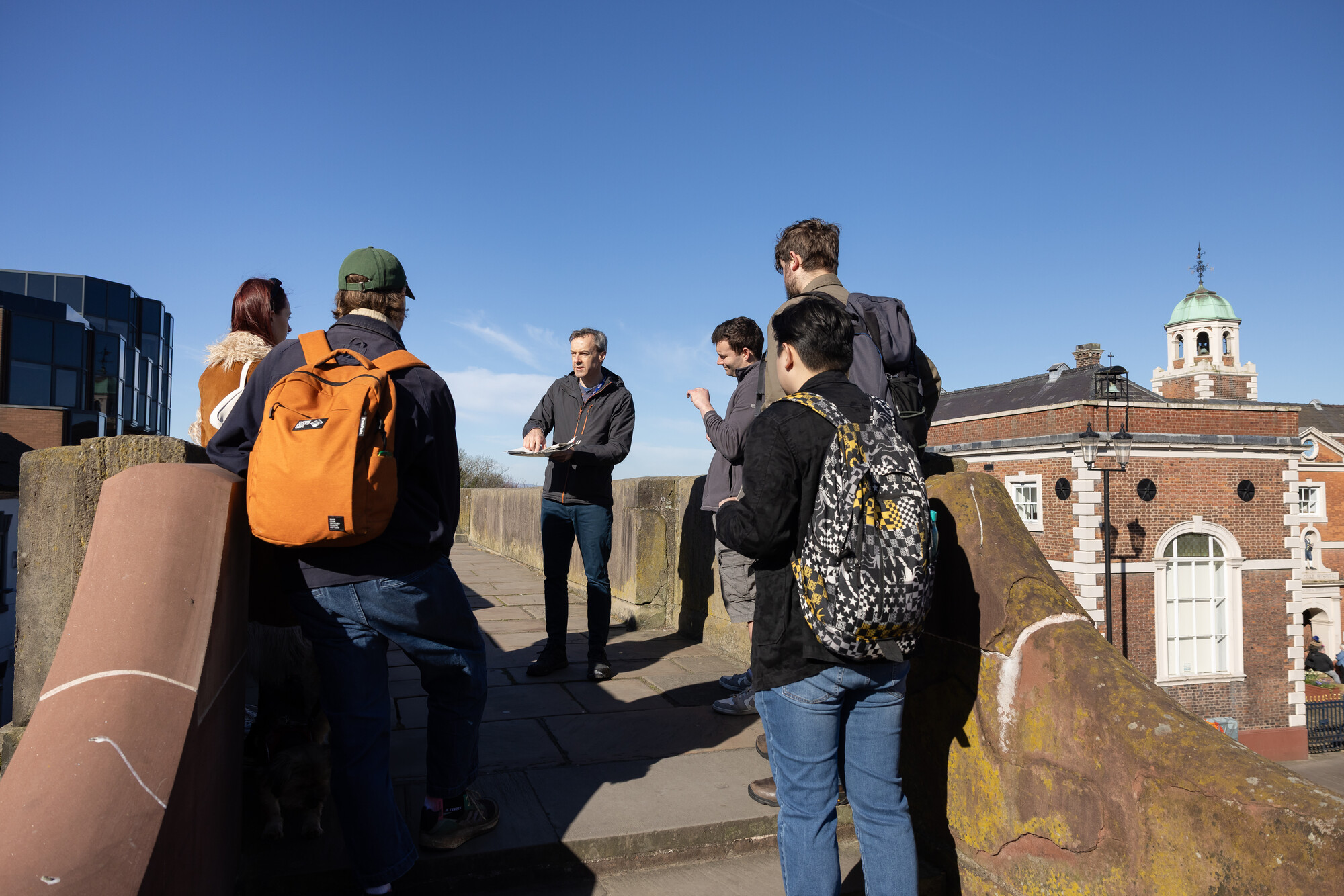
Historic Gems of Chester
We asked our History lecturers to highlight some of their favourite historical gems of Chester, a city absolutely brimming with historical significance.
Professor Tim Grady chose the Cheshire Military Museum with Associate Professor Tom Pickles, (image left), selecting St John's Church.
Read why they made these choices and how they relate to the History degrees we offer at Chester here.

NoWFOOD Support
Do you need help developing your food business?
The university offers many businesses the opportunity to grow and develop with our help and expertise.
For young food businesses, NoWFOOD at Exton Park offers a comprehensive package of support as well as providing research and support for established food and drink manufacturers.
Sam Joseph Chocolates, founded by husband and wife team Sam and Claire, have made their chocolates in the NoWFOOD production kitchen for several years now. Already permanent residents in Alty Market in Altrincham, they have now opened a second store inside Chester Market selling a range of handmade chocolate truffles, chocolate dipped honeycomb, hot chocolate mixes and more. Visit their stall from Tuesday to Saturday 10am to 6pm and Sunday 10am to 5pm.
Find out more about how NoWFOOD can support your food business by contacting Commercial Operations at CommercialOperations@chester.ac.uk, or call 01244 515880.
Image: Sam and Claire Pugh of Sam Joseph Chocolates, outside Chester Market.
The Importance of Research
The University of Chester maintains a dynamic research culture, building on its strong performance in the Research Excellence Framework 2021. From investigating therapies and cures for diseases to analysing approaches to education and looking at how wildlife can thrive, research by staff and students explores a range of topics.
Working with partners to exchange and advance expertise, research from the university aims to be at the leading edge of its subject disciplines. It seeks to bring about changes to policy, practice and services, to benefit the economic, social and cultural wellbeing of the region, country and beyond.
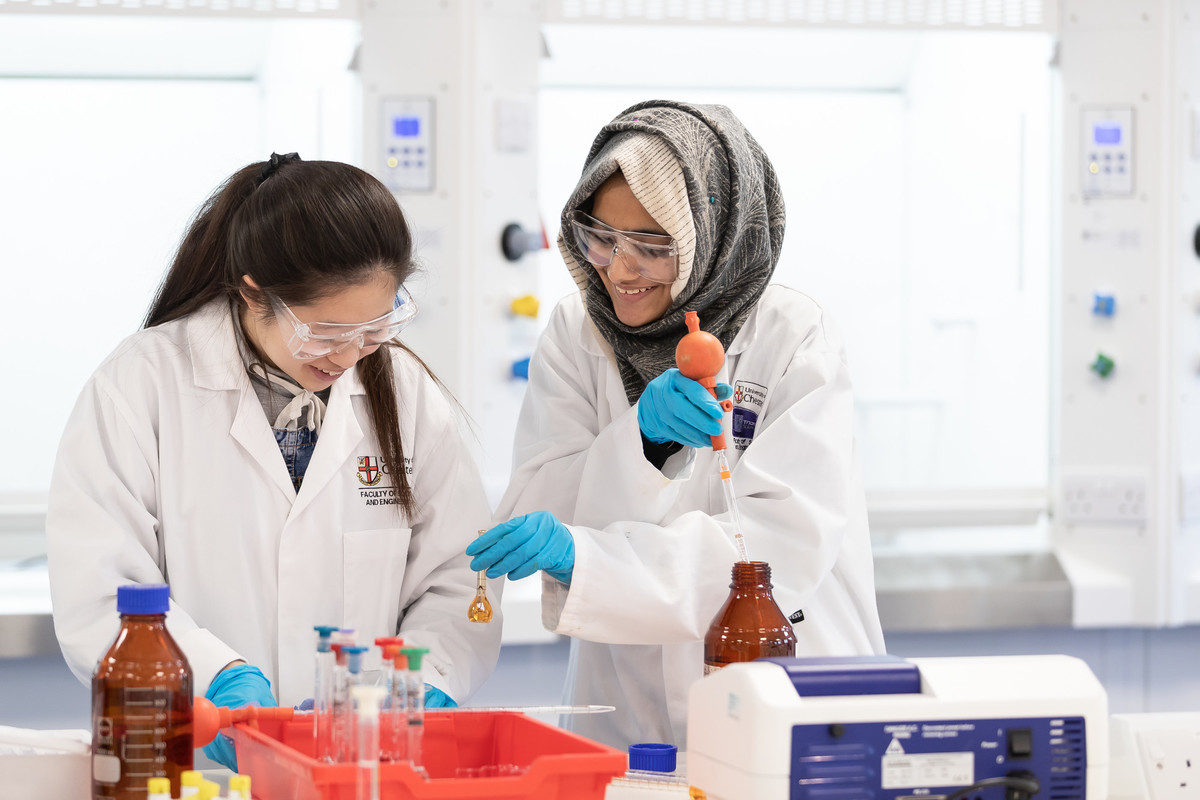 More than half the university's research is world-leading or internationally excellent.
Professor Paul Bissell, Pro Vice-Chancellor for Research and Innovation at the university, shares more on this wide-ranging work, with its focus on discovering new knowledge and ideas and the difference they can make.
“Our mission is to grow high-quality research and knowledge exchange activities which increase understanding, address challenges and positively impact our communities - both regionally and internationally.
“As part of this and, underpinned by an ambitious strategy, Research and Knowledge Exchange Institutes (RKEIs) have been created to bring together staff and students across faculties, strengthen relationships with existing partners and build new collaborations, in the pursuit of progress. The three RKEIS are making advances in: Culture and Society; Sustainability and Environment and Health and Wellbeing.
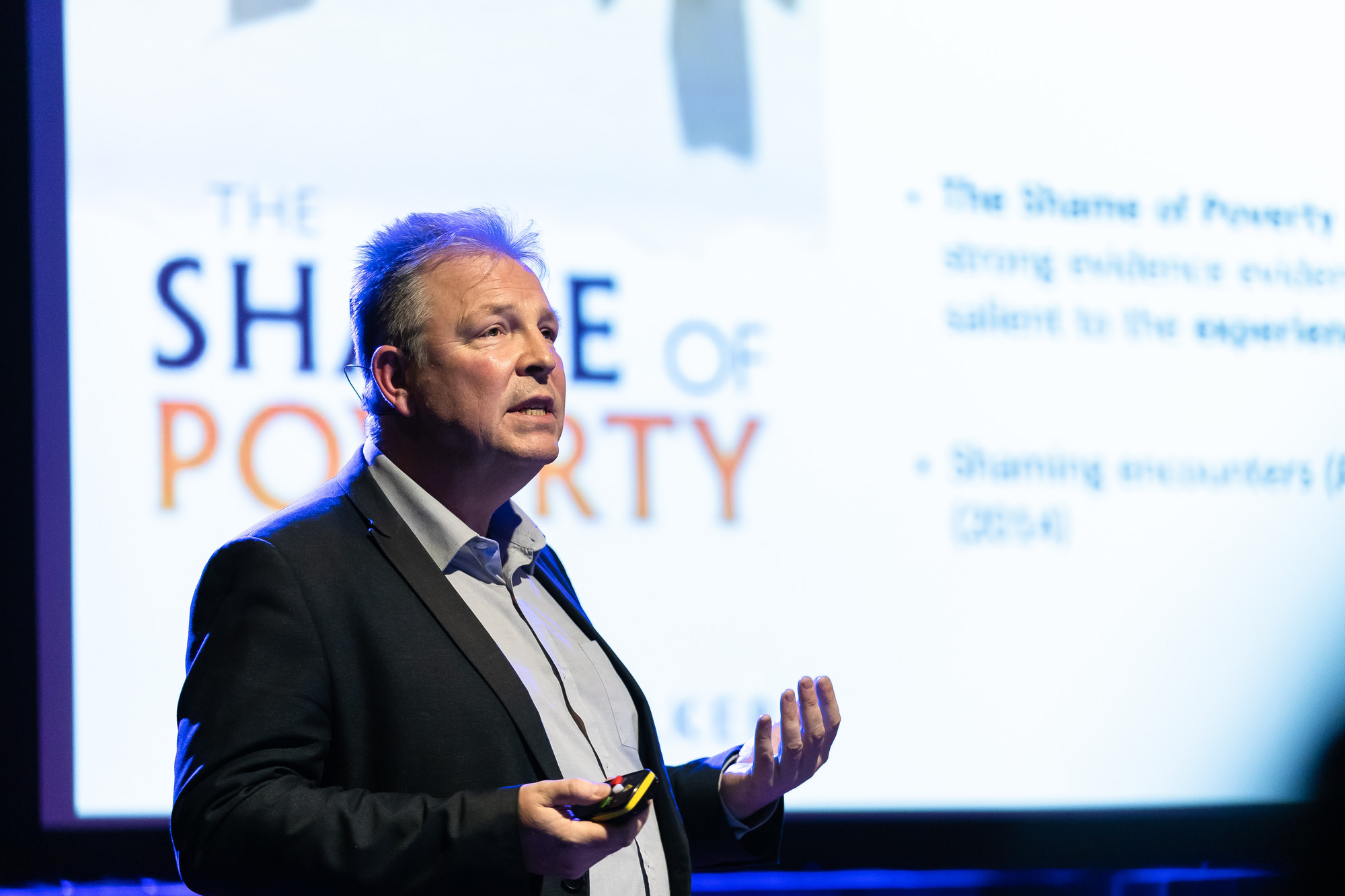 Professor Paul Bissell.
“Within each are Special Interest Groups looking at, for example, Cancer, Chronic Illness and Caregiving, and Food, Nutrition and Health.
“The institutes run a range of public events throughout the year from public lecture series through to networking days which you can find out more about in the university newsletter and on the university website.
“These institutes and groups add to our research centres: the Centre for Ageing and Mental Health; Centre for Contextual Behavioural Science; CREST - the Centre for Research into Environmental and Sustainable Transitions; the Forum for Research into Equality and Diversity; the Institute for Gender Studies, and the Westminster Centre for Research in Veterans.
“The impact is being recognised, with more than half of our research rated as either world-leading or internationally excellent in the most recent Research Excellence Framework (REF 2021) while the results of the fifth Knowledge Exchange Framework (KEF), published earlier this year, highlighted how the University is in the top 20 per cent of its peers for its work with Research Partnerships and Working with Businesses.
“Such work is hugely important for our students, staff and for employers in the region. It sits side-by-side with our Citizen Student Strategy which outlines our commitment to providing a purposeful education which helps students to develop deep expertise in their subject area, whilst offering opportunities for students to grow professionally and as a citizen.
“Universities are in a unique position to positively shape society, the communities they are a part of, and beyond; we are proud to do our part in making breakthroughs equipping people for, and enhancing life today and in the future."
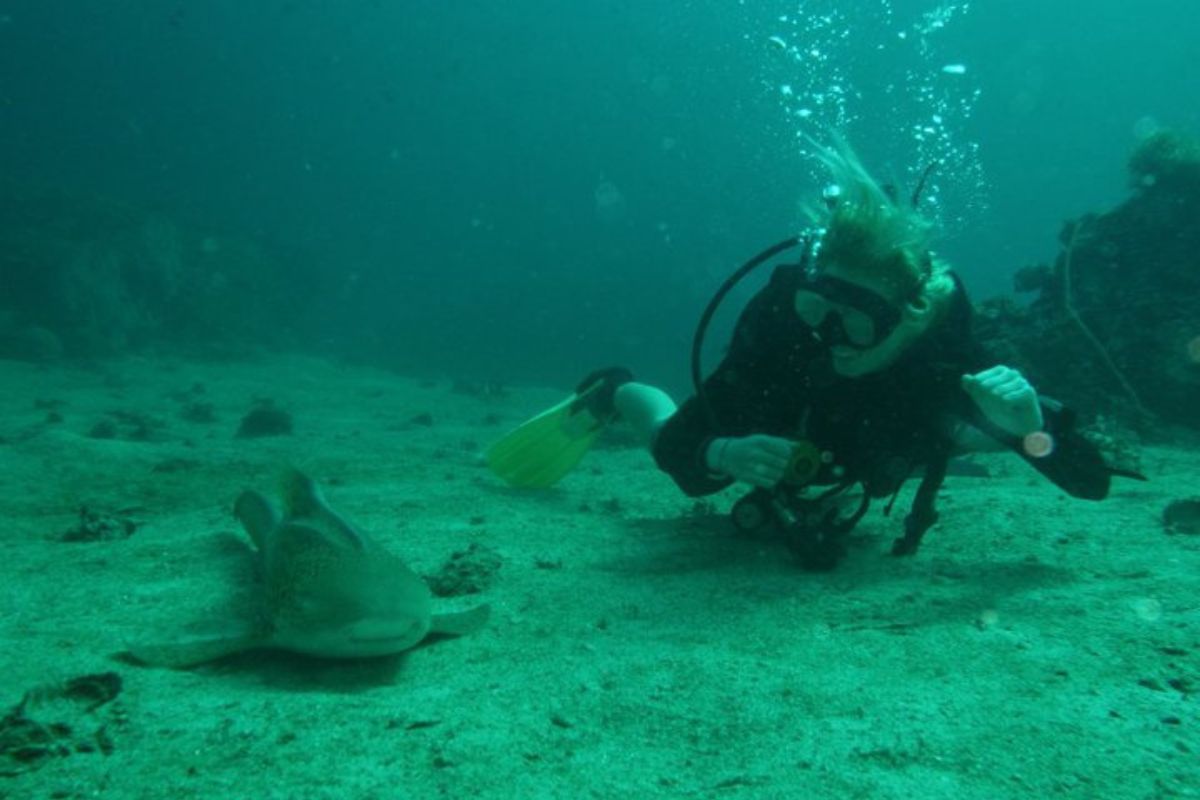 Dr Virginia Harvey has travelled the globe, researching how analysing proteins in species can be a powerful tool in wildlife forensics.
News articles on research initiatives, such as these below, are available in the university's news section.
To find out more, please visit our Research webpages, or email the university’s Research and Innovation Office at: rio@chester.ac.uk.
Alumni Corner
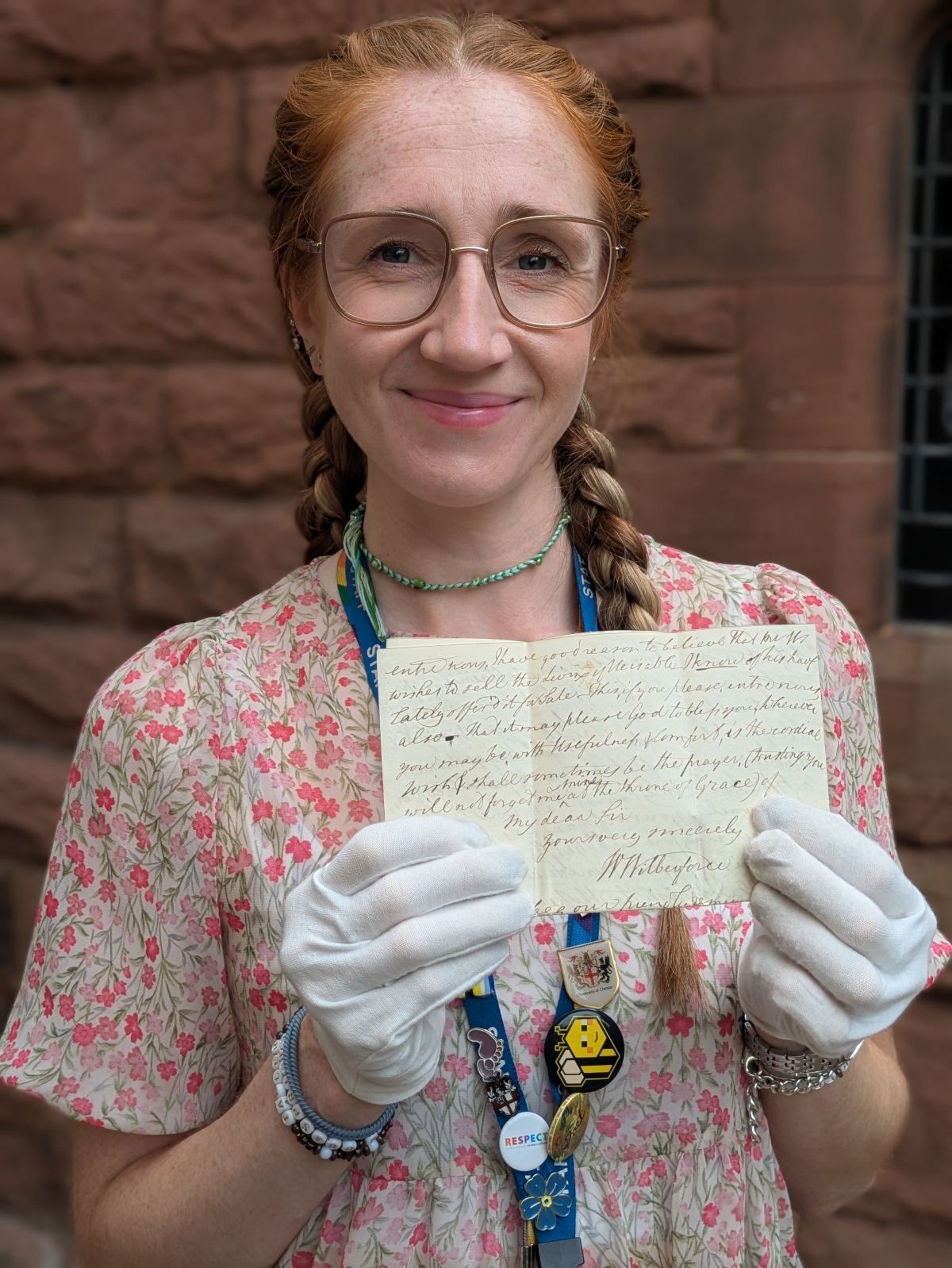
Letters from a renowned anti-slavery campaigner and issues of a Victorian magazine thought to be lost to time are some of the fascinating recent discoveries made in the university’s archives.
As well as providing news, opportunities and information on events to graduates, the alumni team also takes deep dives into the university’s history, and one such search uncovered letters written by William Wilberforce. The letters were sent to the Rev Henry Raikes, one of the six founders of the Chester Diocesan Training College, which later became the University of Chester.
The team has also had its archives boosted by some of the first editions of fortnightly university publication The Collegian, produced from 1886. The issues were long considered lost until bookseller Dr Chris Robinson, of Creaking Shelves Books, kindly donated them. Intriguingly, the early issues of the magazine – featuring College news, reports of football matches and church services and poetry – appeared in handwritten, rather than print format.
University of Chester Events and Communications Assistant, Amy Hultum, said: "We've been delighted by these finds. The university is also inviting any former students who would like to donate memorabilia such as photos, event programmes and lecture notes to add to our archives; to do so by emailing alumni@chester.ac.uk."
Image: University of Chester Events and Communications Assistant, Amy Hultum, showing William Wilberforce’s signature at the end of one of his letters to Henry Raikes.
Chester Ideas
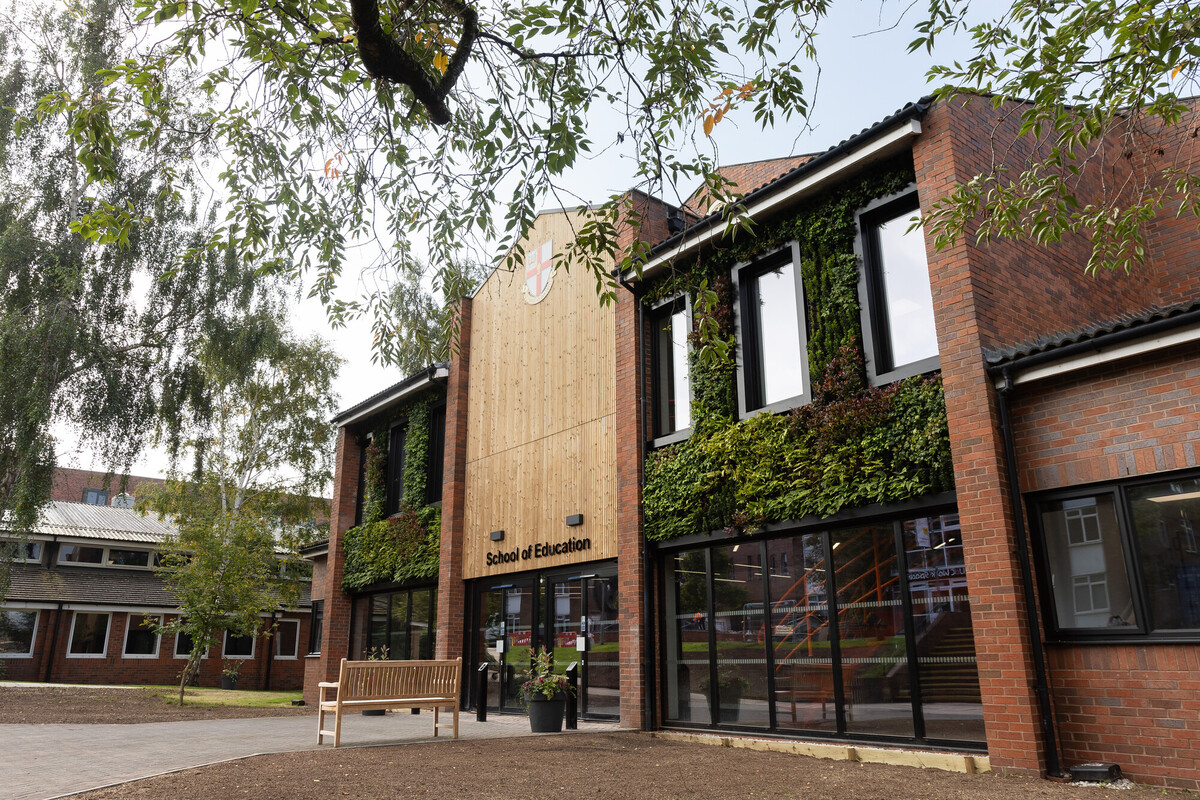
A range of free, informative talks will be held at the university’s School of Education in 2026.
Among these, Professor Chris Jackson will explore the geology of the North West in his January 27 talk titled Use of the Earth’s Subsurface for the Safe and Sustainable Extraction and Storage of Energy: Examples from NW England, while broadcaster Mona Siddiqui, Professor of Islamic and Interreligious Studies, will consider the crucial issue of Christian-Muslim relations in her February 12 lecture, Rethinking Faith, Values and the Limits of Pluralism.
Solicitor and Professor of Law, Equality and Diversity Chantal Davies will speak on tackling inequalities in climate change consultations in her March 12 talk, Nothing About Us Without Us: Developing a Framework for Inclusive Environmental Justice, while Professor Mark Galeotti, international broadcaster on Russian Politics, will give a talk titled Russia, Ukraine and the Revenge of History?, outlining the historical roots behind the war, on April 16.
Visit the university's Events web section for more information about our many public events, and to reserve your place.
Image: The School of Education.
Hiring our Spaces
The university’s dedicated Conferences and Events Team provides a wide range of venues and accommodation options to suit every need. Whether you’re planning a small meeting, large exhibition, or special celebration, we have the perfect space.
We offer:
- Accommodation
- Catering
- Prime locations
- Versatile facilities including meeting rooms to sports facilities
Talking Sustainability
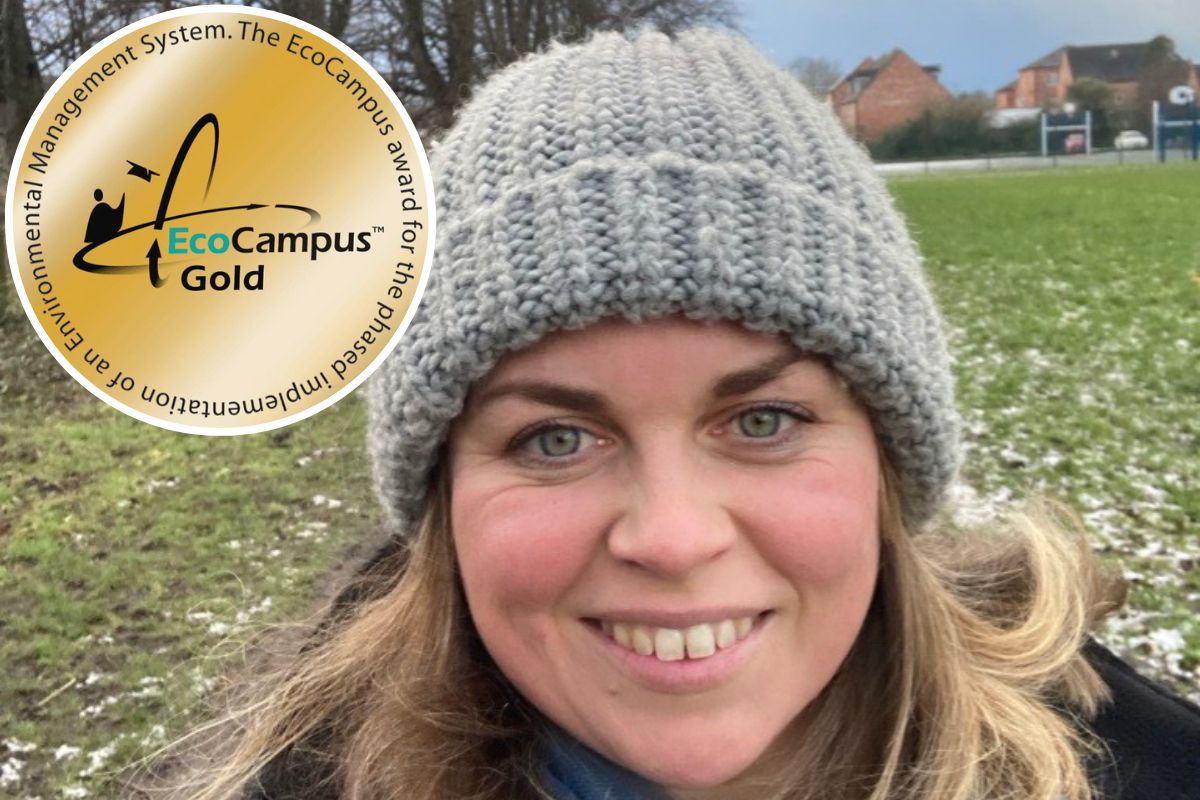 Rebecca Finbow. Inset, the Gold EcoCampus award.
As the university is recognised for its efforts to take action against climate change, we talk to our newly appointed Sustainability Manager, Rebecca Finbow, to discuss environmental initiatives, her ambitions for the institution, and how the wider community can play a part day-to-day.
The university has recently been awarded Gold EcoCampus status. What does this certification mean for the institution and how does it fit into wider work?
EcoCampus is a leading environmental management scheme for universities and colleges in line with the international standards. It is designed to help institutions embed environmental sustainability into every aspect of their operations through a phased approach.
The university has been awarded the gold level standard following a rigorous audit, recognising significant progress in environmental management and sustainability activities. We are now working towards the Platinum EcoCampus award, the highest level of recognition, as part of our broader sustainability ambitions.
This wider work includes initiatives such as achieving the Bronze Carbon Literate Educator award, and the Moving Out campaign which reduces waste and redirects clothes, other household items and food to local charities.
The university has also recently been awarded a £4.39 million grant, through the Public Sector Decarbonisation Fund, to decarbonise our Wheeler building and Queen’s Park campus. This project will entail replacing our end-of-life gas boilers with efficient air source heat pumps, and installing a solar array on the roof of Riverside Innovation Centre. The project will have a significant impact in reducing our carbon emissions and further provide opportunities to learn about using low carbon technologies as we look to decarbonise our estate.
What are the university’s overall sustainability priorities and goals?
The University of Chester is committed to reducing its carbon footprint and embedding sustainability into teaching and research. Key priorities include:
- Achieving net zero carbon emissions by 2030.
- Reducing energy and water consumption.
- Increasing recycling rates and minimising waste.
- Enhancing green spaces and biodiversity.
- Promoting sustainable travel options for staff and students.
- Integrating sustainability principles into all courses and research projects.
Could you tell us more about your role?
As Sustainability Manager, my role is to lead and co-ordinate the university’s sustainability strategy across all areas of the university. This includes placing sustainable practices at the heart of operations, supporting academic teams to integrate sustainability into the curriculum, and engaging staff, students, and the wider community in initiatives that reduce environmental impact and promote social responsibility. It’s about creating a culture where sustainability is part of everyday decision-making.
Why is it important sustainability is incorporated into university policies, curriculum and operations?
Universities have a responsibility to lead by example. Incorporating sustainability into policies ensures that decisions align with environmental and social goals. Embedding it in the curriculum equips students with the knowledge and skills to address global challenges. Operationally, reducing the institution’s environmental impact demonstrates our commitment to creating a better future.
How does the university contribute to sustainability goals and initiatives in the wider Cheshire area?
The university works closely with local councils, community groups and other organisations to support regional sustainability goals. This includes collaborative research projects, community engagement events, and volunteering opportunities.
Could you tell us more about working in sustainability in the field of education and what’s ahead?
Over the past number of years, I have worked in the environmental education sector in various roles working with a range of age groups, from university students to primary school pupils - I absolutely love working with young people. Universities are hubs of innovation and learning, and working in this space means we can inspire students to become sustainability champions in their careers and communities. I’m looking forward to collaborating with diverse stakeholders and developing projects that have both local and global impact.
-and-Amy-Moving-Out-campaign.jpg) Amy Butt, Sustainability Engagement Co-ordinator at the university, with former student Yana Laszcziw.
Amy Butt, Sustainability Engagement Co-ordinator at the university, with former student Yana Laszcziw.
What are your top day-to-day sustainability tips?
- Switch off lights and devices when not in use.
- Reduce single-use plastics - carry a reusable bottle, bag and coffee cup.
- Walk, cycle, or use public transport where possible.
- Buy less and choose sustainable, seasonal and local products where possible.
- Think before you print - go digital whenever you can.
- Don’t leave the water running when brushing your teeth.
More on how the university embeds sustainability into the curriculum, from Dr Rebecca Collins, Director of the university's Sustainability and Environment Research and Knowledge Exchange Institute, can be discovered here.