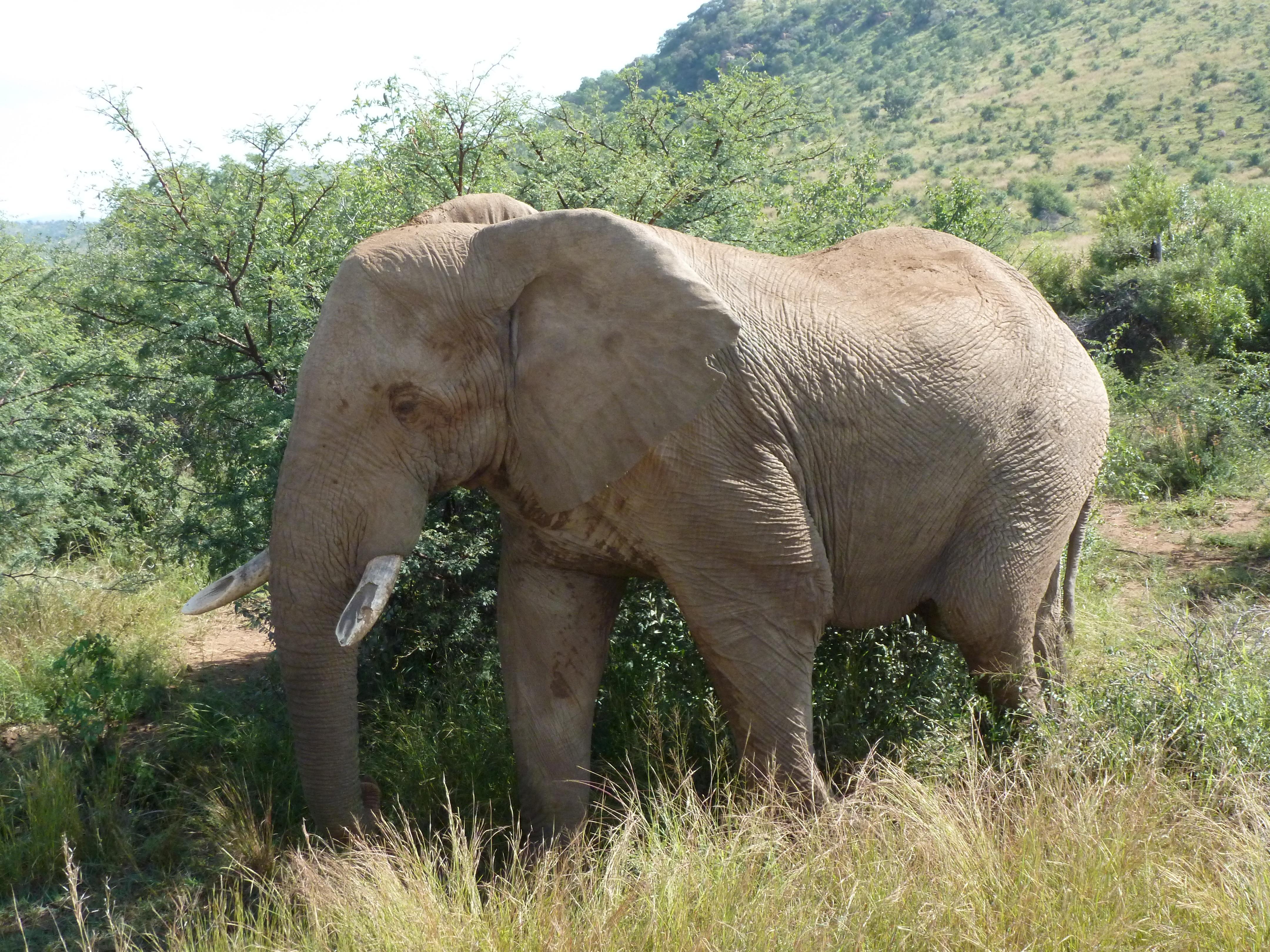




African elephant browsing in natural savanna habitat, illustrating wildlife observation and field research for Animal Behaviour MSc study of large mammal behaviour and ecology.

From newts to bats, gorillas to cats, there’s always more to learn about the mechanisms underlying behaviour. On this course, you will get to grips with cutting-edge techniques used by top scientists to uncover the secrets of the natural world.

You will explore how our most recent findings can be applied to solve real-world problems, such as enhancing captive animal management or mitigating the effects of climate change. You will gain an understanding of key ethical dilemmas in the field, improve your research skills, and explore a topic of specific interest to you in a personal dissertation project.

At Chester, you will learn directly from leaders in the field of animal behavioural research. Our School is a friendly, welcoming community, where students from a range of backgrounds will experience thought-provoking research seminars and approachable, supportive staff. From hormone assays to genetic analysis, we have the facilities you will need to develop key laboratory skills. Chester is also well placed to enable you to hone your field-based skills as nature reserves, zoos, and national parks are closely located.

You can expect a diverse range of dissertation opportunities and the chance to directly participate in ground-breaking research as you get involved with long-term research projects led by our staff, both in the UK and abroad. Our teaching team has strong links to industry, and your dissertation project could provide you with valuable networking opportunities, such as experience in a specialist fields like wildlife monitoring or animal management. We have close links with zoos, aquaria, charities, and NGOs. These connections will be invaluable for you to take advantage of as you start your future career path.

Practical application is a key focus in this course. Authentic coursework will target your problem-solving skills and you will have the opportunity to build an online careers portfolio with help from a designated tutor. The assessments we set, which evidence your ability to communicate information with a variety of audiences, using a range of media, are both engaging and highly applicable to a range of employment opportunities. No exams are included in this degree.

There is an option to choose a Project/Placement year for this course, at an additional cost.


Why You'll Love It

MSc Animal Behaviour

MSc Animal Behaviour

What You'll Study

Six taught modules use a lively seminar and discussion group format to support deep learning and skills acquisition. Students have the choice of two modules focusing on laboratory skill development, allowing personalisation of the course according to your interests and needs.

Taught modules are complemented by an intensive research project, for which you are supported by one-to-one meetings with your dissertation supervisor.

Core Modules

This module provides you with an overview of essential field methods in animal research and a basis for developing career-relevant practical skills. This includes planning, study design and a focus on developing your skills in estimating animal abundance and distribution, species identification, monitoring behaviour and quantifying habitats. 

This module will provide you with a solid foundation in key laboratory techniques used in modern animal research, helping you to develop the practical skills and scientific understanding required for independent research and applied scientific careers. You will gain experience that integrates theory, hands‑on laboratory work, and data analysis, reflecting the way these methods are used by researchers and practitioners.

Throughout the course, you will be introduced to techniques commonly applied in molecular biology and animal physiology. You will progress from understanding core concepts to applying methods such as DNA extraction, PCR, and genetic marker analysis and physiological assays including cortisol ELISAs. The module also explores how these tools are used in evidence‑based conservation, wildlife monitoring, and animal management.

Emphasis is placed on developing good scientific practice, critical thinking, and attention to detail. You will be encouraged to understand not only how each technique works, but why it is used, and how to communicate your findings clearly and effectively in a scientific context.

This module explores the theory and practice of communicating science to a diverse range of audiences in contemporary contexts. Students will critically examine how scientific knowledge is translated across formats including written media, live engagement, and digital platforms such as podcasts and social media while developing their own communication and leadership skills.

Through a combination of workshops, interactive theory sessions, and hands-on experience (including engagement with external partners such as science education providers at Chester Zoo), students will learn to design and produce a range of science communication outputs. Emphasis is placed on developing a tool kit to allow adaptability in response to audience awareness, creation of effective and impactful narratives, clarity of language, and will encourage students to critique the role of the media and the ethical responsibilities of science communicators.

Another key aspect of this module focuses on leadership and professional development. Students will explore career pathways across academia, industry, media, and public engagement, while developing skills in project management, collaboration, and strategic communication. Opportunities for reflective practice and portfolio building will support students in articulating their expertise and preparing for careers in science communication and beyond.

By the end of the module, students will be equipped to critically evaluate science communication strategies, demonstrate leadership in collaborative communication settings, and create accessible, engaging, and impactful content tailored to different audiences and professional contexts.

This module provides advanced exploration and discussion of wild animal behaviour in a range of contexts, covering a wide taxonomic range. You will critically consider how natural selection and anthropogenic-induced changes to the environment have shaped the behaviour of wild animals via extensive examination of contemporary research. 

Various topics in animal behaviour will be covered such as migration, communication, social behaviour, animal cognition, sensory ecology, sexual selection and foraging strategies, using approaches from behavioural ecology and other fields to predict and explain behaviour. These will provide context for applications of theory to practical interventions such as reintroductions, translocations, reserve management and conservation.


This module provides an advanced exploration of captive animal behaviour and welfare across a range of professional contexts, such as laboratory, companion, equine, farm and zoo systems. You will examine how captivity, management practices, and human–animal interactions influence behavioural expression and welfare, drawing on contemporary behavioural science, welfare assessment methodologies, and ethical theory. Through a combination of lectures, practicals, including behavioural observations and welfare assessments, and sector-specific case studies, the module develops critical skills in observation, evaluation, and evidence-based reasoning. A strong emphasis is placed on ethical analysis and debate, culminating in a structured ethical debate in which you will construct, defend, and reflect on informed positions on contested animal welfare issues.

This module introduces postgraduate level approaches to data analysis, integrating statistical and spatial techniques using R programming language and Geographic Information Systems (GIS). You will develop skills in data exploration, statistical modelling, and the analysis of spatially explicit ecological data, including both raster and vector formats.

Alongside analytical training, the module focuses on key considerations in scientific research, covering key research approaches (descriptive, analytical, and experimental). Emphasis is placed on project design, including hypothesis development, experimental structure, and methodological rigour, as well as critical consideration of ethical issues in research practice. The module will also provide guidance on the ethical and professional use of Generative AI within research and assessment, including academic integrity, transparency, critical evaluation of AI-generated outputs, and responsible use within scientific and professional contexts.

By the end of the module, you will be equipped to design, analyse, and interpret studies using advanced quantitative and spatial tools within a robust ethical and scientific framework.

Optional Modules

In this capstone module you will design and carry out an independent research project within a related field to your degree. It will provide you with an opportunity to apply theoretical knowledge and methodological skills to a focused, discipline-relevant research question developed in collaboration with an academic supervisor.

The project will require you to undertake a critical review of current scientific literature, refine a research question or hypothesis, and select appropriate experimental design approaches that you will have learnt from your other modules. Projects can include field-based observational, laboratory-based or desk-based studies.

The module emphasises scientific rigor, ethical research practice and the practical realities of conducting research in laboratory, field, or industry settings. You will be expected to manage all stages of the research lifecycle, including planning, ethical and health and safety considerations (including ethical consideration in regards to Artificial Intelligence), data collection, statistical analysis, interpretation, and academic writing, with guidance from your supervisor.

One-to-one supervisory support is provided through regular meetings to guide you in project development, to ensure methodological robustness, and support your development in analytical and writing processes, while maintaining your independence. The final output is a dissertation that demonstrates originality, critical thinking, and the ability to contribute meaningfully to knowledge in your field.

This module prepares you for careers in research, industry or progression to doctoral study.

The information listed in this section is an overview of the academic content of the course that will take the form of either core or option modules and should be used as a guide. We review the content of our courses regularly, making changes where necessary to improve your experience and graduate prospects. If during a review process, course content is significantly changed, we will contact you to notify you of these changes if you receive an offer from us.

This module forms part of the 2 year pathway along with a preparation module - WB7102 Advance Professional Practice. The preparation module forms part of year 1 study and is completed before this module commences.

Students studying the 2 year full time course will not undertake a traditional dissertation module this module replaces that option instead, this module is completed in Year 2, starting at the beginning of year 2, for a minimum of 30 weeks over 3 terms on a full time basis with the exception of university scheduled vacations which equates to a minimum of 1000 work based project hours. 

This module forms part of the 2 year pathway along with a preparation module - WB7102 Advance Professional Practice. The preparation module forms part of year 1 study and is completed before this module commences.

Students studying the 2 year full time course will not undertake a traditional dissertation module this Project module replaces that option instead, this module is completed in Year 2, starting at the beginning of year 2, for a minimum of 30 weeks over 3 terms on a full time basis with the exception of university scheduled vacations which equates to a minimum of 1000 work based project hours.

The information listed in this section is an overview of the academic content of the course that will take the form of either core or option modules and should be used as a guide. We review the content of our courses regularly, making changes where necessary to improve your experience and graduate prospects. If during a review process, course content is significantly changed, we will contact you to notify you of these changes if you receive an offer from us.

How You'll Learn

An aerial photograph of Exton Park with the text 'How we teach at the University of Chester'

How we teach at the University of Chester

Teaching

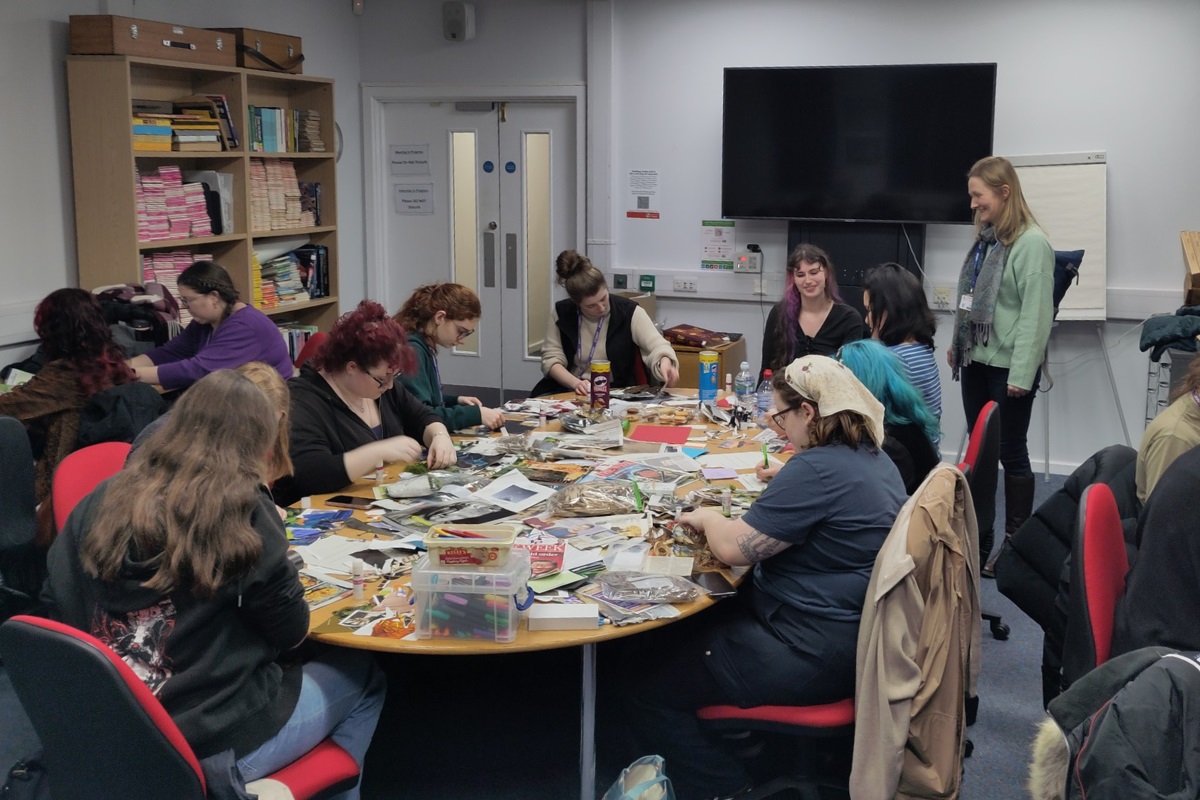
Teaching is usually delivered in small groups via seminars, workshops, and discussion groups. There might also be laboratory practicals and field trips on some modules. Sessions for taught modules are usually delivered over three set days each week, between October and April, with your dissertation project being completed on a flexible basis between April and September.

Assessment

Assessment methods are varied and are targeted towards future employment. These could include science communication, funding applications, synthetic reviews, laboratory reports, and conference-format poster presentations

Your Future Career

Job Prospects

Our course is specifically targeted at giving you the skills you need to pursue a successful career. Whether this is in a behaviour-related field (perhaps managing wild or captive animals, providing behavioural consultancy services, or in academic research) or in a broader career (journalism, teaching or policy-making perhaps), we will help you stand out from the crowd in your applications.

Careers Service

The University has an award-winning Careers and Employability service which provides a variety of employability-enhancing experiences; through the curriculum, through employer contact, tailored group sessions, individual information, advice and guidance.

Careers and Employability aims to deliver a service which is inclusive, impartial, welcoming, informed and tailored to your personal goals and aspirations, to enable you to develop as an individual and contribute to the business and community in which you will live and work.

We are here to help you plan your future, make the most of your time at University and to enhance your employability. We provide access to part-time jobs, extra-curricular employability-enhancing workshops and offer practical one-to-one help with career planning, including help with CVs, applications and mock interviews. We also deliver group sessions on career planning within each course and we have a wide range of extensive information covering graduate jobs and postgraduate study.

Switch combined course content

Optional 2-year Master's To Suit Your Needs

Choosing a Professional Placement MSc is a win-win for your career, giving you the chance to get real experience, apply your cutting-edge skills in the workplace and stand out to future employers.

In the first year you will have help from the University to find a placement, whilst developing your expertise. You will then spend your second year out in industry on placement, getting the chance to work with industry professionals and grow your network of industry contacts. Bringing your university-acquired knowledge and insights to industry, you will get to make a difference to the workplace and make lasting links with your employer.

Students need to find and secure their own placement, supported by the University. A preparation module will also help you to get ready for your placement.

Please note, this course is available as a one-year master degree course, or as a Two-Year Master's Course with a Professional Placement or Project. Please carefully consider your options when applying for our one year or Two-year routes as successful international applicants will not be able to change between courses after a Confirmation of Acceptance of Studies (CAS) letter has been issued or after arriving in the UK.

Entry Requirements

Honours Degree

Applicants should normally possess an honours degree (minimum 2:2) in a biological/behavioural/ecological science (e.g. animal behaviour, conservation biology, zoology) including components of experimental design and statistical analysis.

Students with a minimum of a 2:2 undergraduate degree in an unrelated area must demonstrate on application that they have equivalent experience in a related field, e.g. wildlife conservation, captive animal management. They must also demonstrate on application evidence of experimental design and basic statistical analysis skills, perhaps gained during completion of a research dissertation or by carrying out an additional course.

Students from outside the UK are expected to hold qualifications broadly equivalent to UK standards - a Bachelor's degree (or equivalent) for postgraduate study.

To help you interpret these equivalents, please select your country/region of residence. This will provide details on equivalent entry requirements, as well as information about local representatives, events, and key contacts.

We accept a wide range of qualifications and assess all applications on an individual basis. Relevant work experience may also be taken into consideration where appropriate.

For more information on English entry requirements, including accepted qualifications, please visit International Entry Requirements.

IELTS

6.5 (Min 5.5 in each sub-skill)

Honours Degree

Applicants should normally possess an honours degree (minimum 2:2) in a biological/behavioural/ecological science (e.g. animal behaviour, conservation biology, zoology) including components of experimental design and statistical analysis.

Students with a minimum of a 2:2 undergraduate degree in an unrelated area must demonstrate on application that they have equivalent experience in a related field, e.g. wildlife conservation, captive animal management. They must also demonstrate on application evidence of experimental design and basic statistical analysis skills, perhaps gained during completion of a research dissertation or by carrying out an additional course.

Fees and Funding

£9,990 for a full-time course (2026/27)

The tuition fees for home students studying courses in 2026/27 are £9,990 per year.

The professional placement/project year will cost an additional £2,750, due at the start of the second year of the course.

Guides to the fees for students who wish to commence postgraduate courses are available to view on our Postgraduate Fees page. Here you will also find information about part-time fees and project/placement year fees.

£15,500 (2026/27)

The tuition fees for international students studying courses in 2026/27 are £15,500 per year.

For courses where a placement or project year is undertaken there will be an additional charge of £2,750 for the placement/project year (due at the start of the second year of the course).

Irish Nationals living in the UK or ROI are treated as Home students for Tuition Fee Purposes.

For more information about International fees for Postgraduate study, go to our International Fees, Scholarship and Finance section.

Who You'll Learn From

Dr Kelly Gouveia

Senior Lecturer
Dr Kelly Gouveia

Dr Lottie Hosie

Senior Lecturer
Dr Lottie Hosie

Dr Krista McLennan

Head of School
Dr Krista McLennan

Dr Matt Geary

Associate Professor
Dr Matt Geary

Dr Nicola Beesley

Deputy Head of School
Dr Nicola Beesley

Dr Sonya Hill

Deputy Head
Dr Sonya Hill

Dr Candice Owen

Senior Lecturer
Dr Candice Owen

Enquire about a course